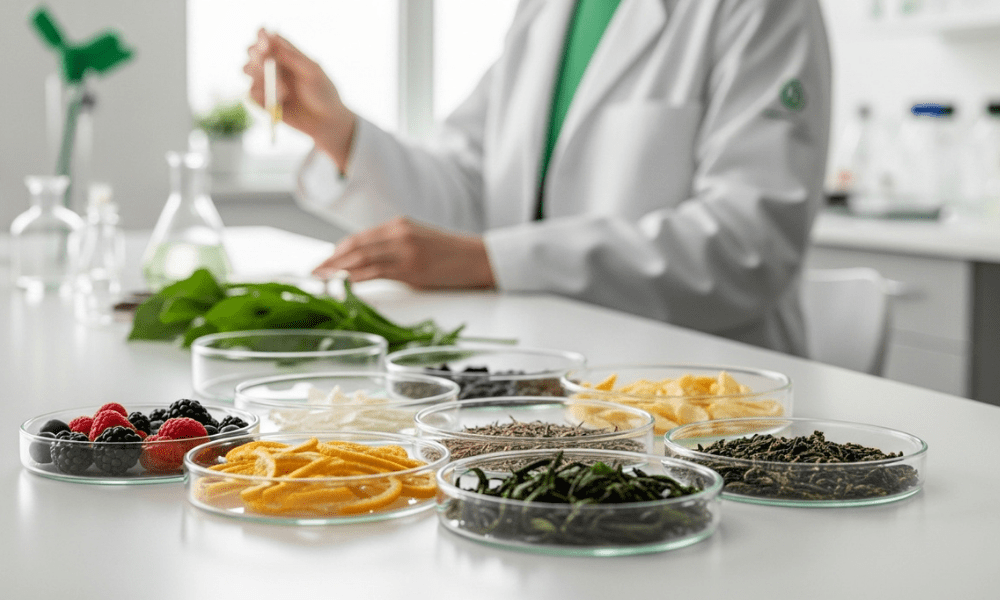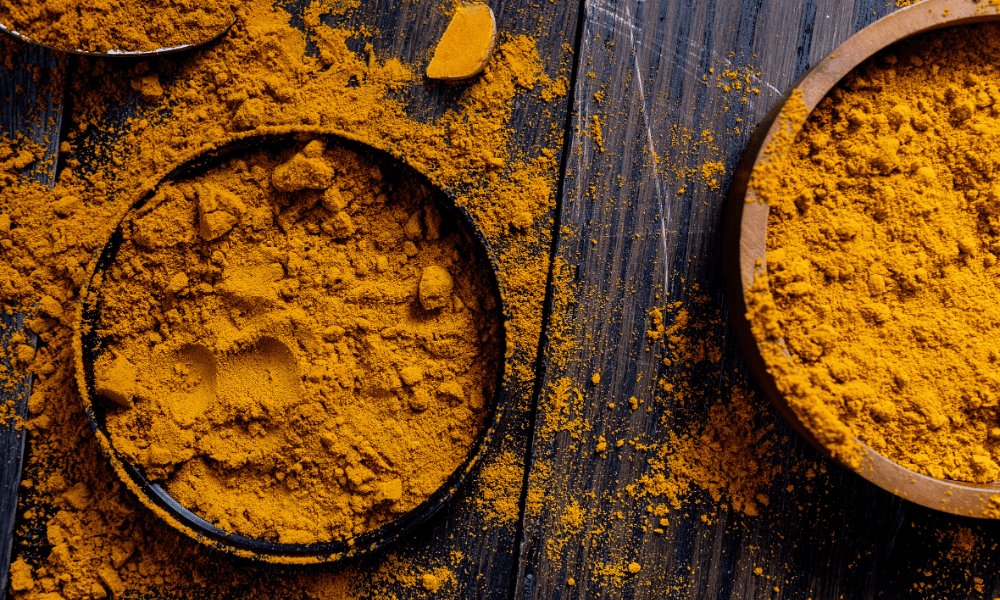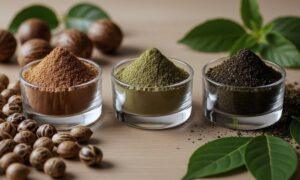
As consumer demand shifts toward clean-label and plant-based stimulants, a new generation of natural energy sources is gaining prominence. Our portfolio of exotic botanical extracts includes guarana, yerba mate and guayusa. They stand out for their rich bioactive profiles, combining xanthines, polyphenols, and antioxidant compounds that support both performance and metabolic wellness. Understanding their mechanisms, stability factors, and formulation potential enables developers to create more effective and responsible energy products.
Although guarana, yerba mate, and guayusa share similarities, each plant delivers a distinct combination of bioactive compounds. In this article we explore the differences among them in terms of caffeine levels and compare them to coffee, one of the most consumed beverages in the world.
Caffeine, a compound of the methylxanthine class, is a central nervous system stimulant present in several beverages and foods that are part of our daily lives. It can occur naturally, for example in coffee and yerba mate or it can be added to products, as in energy drinks and soft drinks, making it one of the most psychoactive stimulants consumed in the world. Although present in several plants and extracts, its levels can vary, reflecting differences in plant metabolism, species-specific metabolic pathways, and processing methods.
Coffee brews are one of the most popular drinks worldwide, being largely consumed for their stimulant properties. Depending on variety, it can be a high source of caffeine (1.4% – 3.2% in dry weight)1 that contributes to coffee’s strong stimulant profile and its prevalence as a primary dietary source of methylxanthines worldwide.
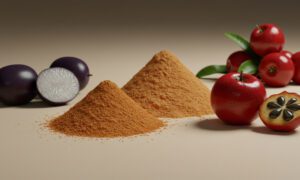
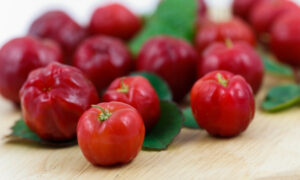
Even though it is less consumed, guarana (Paullinia cupana), native to the Amazon rainforest, contains one of the highest natural concentrations of caffeine (2.5% to 8.0% in dry weight) with a chemical profile also rich in phenolic compounds like theobromine, catechins and tannins.2 The tannins help to slow the release of caffeine into the bloodstream, resulting in a more prolonged stimulatory effect.3 This unique pharmacokinetic behavior has led to the widespread incorporation of guarana extract into energy drinks and fatigue-reducing supplements.
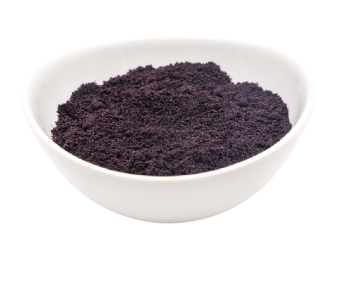
Yerba mate (Ilex paraguariensis), in turn, presents a more moderate caffeine profile, typically containing 0.3% to 1.8% of caffeine in dry weight4, and balanced levels of theobromine and theophylline. While less potent in caffeine content than coffee or guarana, yerba mate is often consumed in larger volumes, resulting in a cumulative stimulant effect that users perceive as smoother and more sustained.
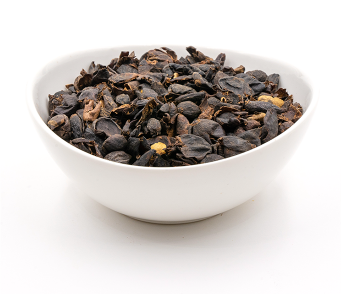
Guayusa (Ilex guayusa), a lesser-known Amazonian species of the genus Ilex (same as yerba mate), contains caffeine levels higher than yerba mate (1.9% – 7.5% in dry weight), potentially reaching levels found in guarana.5 Its chemical profile also includes relatively high concentrations of chlorogenic acids and amino acids such as L-theanine, contributing to a stimulatory effect often described as “balanced” or “focused.”
How can formulators use these ingredients effectively?
All our extracts can be used in pre-workout formulations, cognitive and focus blends, RTD functional beverages and natural energy shots. Thanks to their chlorogenic acids, catechins, and tannins, these botanicals can also be used in antioxidant-focused products, aiming oxidative-stress reduction, metabolic balance and cardiovascular health.
In the sensory aspect, yerba mate can provide herbal, earthy notes, while guarana can offer subtle astringency; guayusa, in turn, can deliver smooth, neutral profiles that blend well with fruits. This creates opportunities for customized sensory profiles in beverage and supplement development.
In conclusion, guarana, yerba mate, and guayusa represent a powerful evolution in natural energy ingredients. Their unique combinations of xanthines, antioxidants, and functional compounds allow formulators to design products that deliver balanced stimulation, clean-label appeal, and plant-based performance
Contact our technical team to discuss opportunities with guarana, yerba mate and guayusa and elevate your brand with a plant-based, performance-driven ingredient.
References
- Olechno E, Puścion-Jakubik A, Zujko ME, Socha K. Influence of Various Factors on Caffeine Content in Coffee Brews. Foods. 2021;10(6):1208. doi: 10.3390/foods10061208.
- da Silva Junior ALS, Nascimento MM, Santos HM, Lôbo IP, de Oliveira RA, de Jesus RM. Methylxanthine and Flavonoid Contents from Guarana Seeds (Paullinia cupana): Comparison of Different Drying Techniques and Effects of UV Radiation. Int J Food Sci. 2024; 2024:7310510. doi: 10.1155/2024/7310510.
- Smith N, Atroch AL. Guaraná’s Journey from Regional Tonic to Aphrodisiac and Global Energy Drink. Evid Based Complement Alternat Med. 2010; 7(3):279-82. doi: 10.1093/ecam/nem162.
- Palavicini SMS, Puton BMS, Jacques RA, Valduga E, Backes GT, Paroul N, Steffens C, Cansian RL. Bioactive Compounds of Ilex paraguariensis: A Critical Update on Extraction, Gastrointestinal Stability, and Technological Applications. J Food Sci. 2025; 90(11):e70679. doi: 10.1111/1750-3841.70679.
- Noriega P, Moreno E, Falcón A, Quishpe V, Noriega PC. Guayusa (Ilex guayusa Loes.) Ancestral Plant of Ecuador: History, Traditional Uses, Chemistry, Biological Activity, and Potential Industrial Uses. Molecules. 2025; 30, 2837. doi: 10.3390/molecules30132837