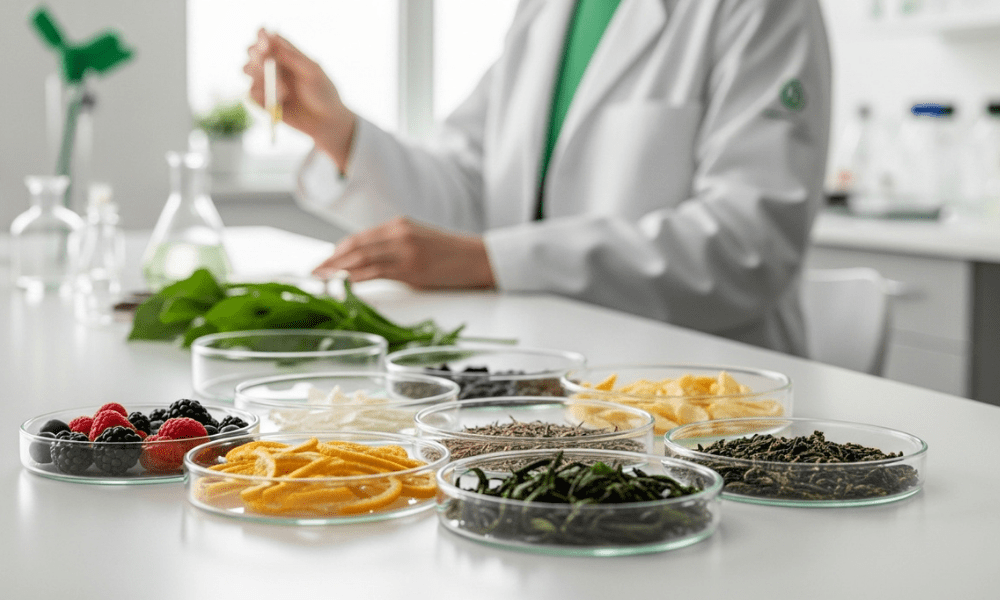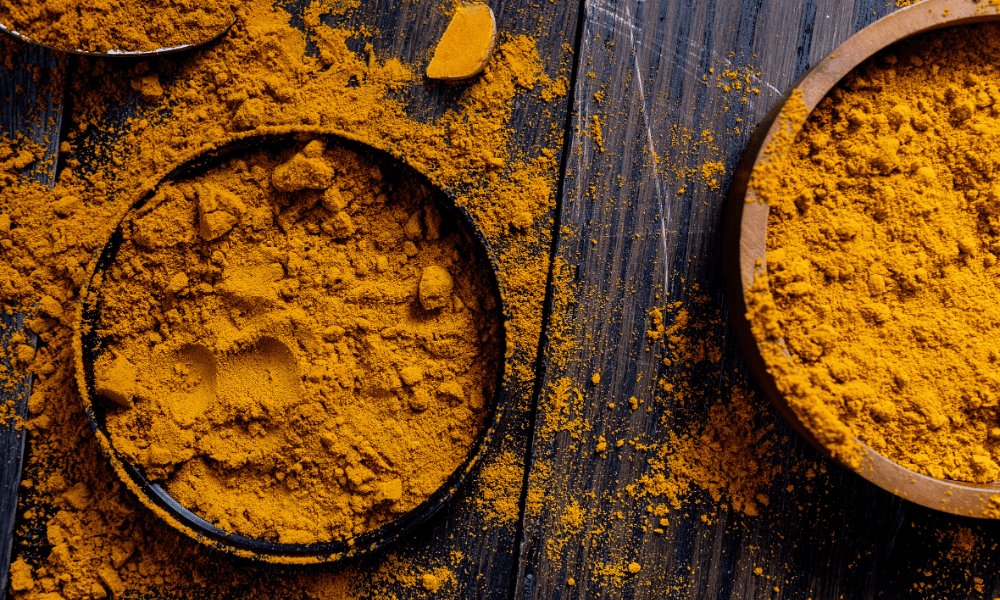
Processing methods significantly impact the content of bioactive compounds in fruit powders. Understanding these effects is crucial for optimizing the functional properties of fruit-based ingredients.
What are the primary bioactive compounds in fruit powders?
Fruit powders are rich in various bioactive compounds, including:
- Phenolic compounds: flavonoids and phenolic acids, known for their antioxidant properties.
- Carotenoids: for instance β-carotene, a precursor of vitamin A.
- Vitamins: like ascorbic acid (aka vitamin C), essential for collagen synthesis and with potent antioxidant properties.
- Dietary fibers: important for digestive health.
These compounds contribute to the nutritional and functional qualities of fruit powders.
How do drying technologies affect bioactive compounds?
Besides the juice extraction and concentration, drying is another critical step in fruit powder production. The different drying technologies used can influence the retention of bioactive compounds. Some methods are more suitable than others, depending on the nature of the fruit juice/pulp that will be dehydrated.
- Spray-drying: Involves atomizing the fruit juice into a hot air stream. While efficient, it can lead to partial degradation if highly heat-sensitive compounds are present. Often requires the incorporation of an excipient for very sugary or fatty fruit juices/pulps.
- Freeze-drying: Preserves bioactive compounds by sublimating ice from frozen juices under vacuum. Studies indicate that freeze-dried fruit powders retain higher levels of antioxidants when heat-sensitive compounds are present.
- Hot air-drying: A conventional method that can cause partial degradation of bioactive compounds, potentially reducing antioxidant activity and nutritional quality.
What role do carrier agents play in fruit powder quality?
Carrier agents are often added to fruit powders as process adjuvants and to enhance their stability and quality:
- Maltodextrin: Improves drying performance, product solubility, and flowability.
- Gum: Enhances dispersibility and protects sensitive compounds.
- Modified starch: Contributes to texture and stability.
- These agents help maintain the functional properties of fruit powders like flavor and flowability during storage.
How do processing methods impact the final product?
The choice of processing method affects the final product in several ways:
- Nutritional profile: Methods that preserve bioactive compounds result in higher nutritional value.
- Sensory attributes: Each method can influence color, flavor, and texture differently, affecting consumer acceptance.
- Shelf life: Proper processing extends the shelf life by maintaining the sensorial stability and flowability (prevents caking/clumping of the fruit powder).
Therefore, the selection of suitable drying technologies and process adjuvants is crucial for producing high-quality fruit powders.
Conclusion
Processing methods significantly influence the bioactive compound content and overall quality of fruit powders. Understanding these effects allows for the optimization of fruit-based ingredients.
You can definitely count on us to help you choose the best option for your formulation.
References:
https://doi.org/10.3390/app132212496
https://doi.org/10.1016/j.tifs.2017.05.006
https://doi.org/10.3390/app14209183
https://doi.org/10.1016/j.fochx.2024.101156