A cute, short name for an amazing plant-based protein powerhouse.
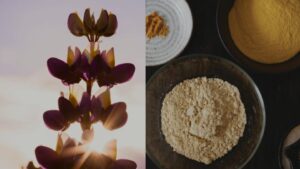
Chocho, also known as Andean lupin bean or tarwi (Lupinus mutabilus), is a protein-packed superfood cultivated in the Andean highlands for over 1,500 years. With higher protein content than soybeans and peas, Chocho is a regenerative crop that supports indigenous farming. Its mild nutty flavor and versatility make it ideal for recipes like smoothies, baked goods and culinary innovations. Known as a cornerstone of Andean diets for over 2,500 years, this pearly-white super bean is emerging as a global plant-based protein powerhouse. With unmatched nutritional value, regenerative properties, and cultural significance, Chocho offers a sustainable solution to modern dietary and environmental challenges.
The Ecuadorian Andes, home to peaks reaching 20,000 feet, form what locals call the Volcano Alley. This region, with its pristine volcanic soil and fertile landscapes, provides ideal conditions for Chocho cultivation. The crop thrives in the local intense sunlight, at high altitudes where volcanic ash enriches the earth and pure rainwater nourishes the plants. Chocho’s resilience in drought conditions and its nitrogen-fixing roots make it a regenerative crop that enhances soil health, supporting adjacent crops like corn and potatoes (Lost Crops of the Incas, 1989).
Nutritional powerhouse
Chocho stands out as the world’s premier plant-based protein source. Each bean contains:
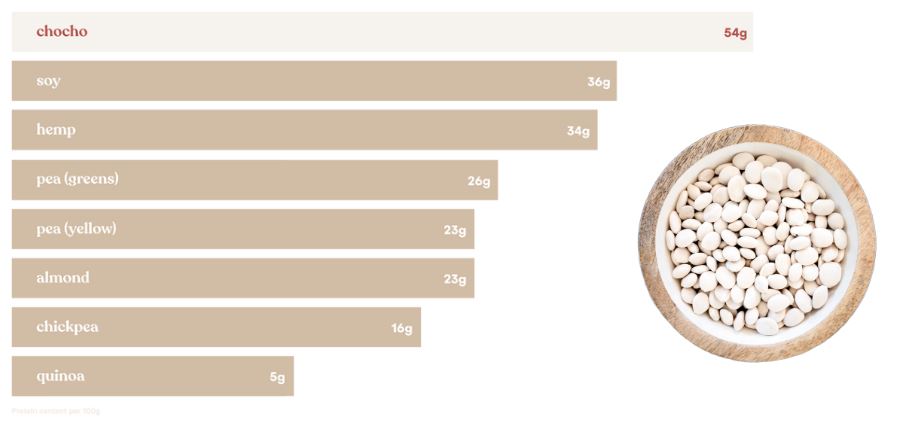
- Over 50% protein, surpassing peas, hemp, soy, and peanuts.
- A complete amino acid profile, rich in leucine, lysine, and valine (branched-chain amino acids, or BCAAs), essential for muscle repair, collagen synthesis, and mental vigor (Ha & Zemel, 2003).
- High fiber content, particularly in the seed husk, supporting digestive health.
- Calcium levels comparable to a glass of milk, promoting bone health.
- A low glycemic index, linked to improved blood glucose control, making it helpful for managing dysglycemia (Baldeón et al., 2012).
These attributes position Chocho as a versatile ingredient for plant-based products like tofu, vegan cheese, and meat alternatives.
Historical and cultural significance
Chocho’s cultivation dates back to at least 1000–1200 B.C., with evidence from the Tiwanaku culture, who stored Chocho alongside kaniwa and amaranth for their long shelf life (Bowman, 1981). The Caranquis, an Incan subculture in northern Ecuador, relied on Chocho as a staple crop by 500 A.C., cultivating it similarly to wheat (Rodriguez Docampo, 1965). Despite its historical importance, Chocho has been stigmatized as “poor people’s food” in modern times, limiting its commercial adoption. However, its role in nitrogen fixation has kept it relevant as a companion crop for farmers.
Chocho naturally contains the most protein of all traditional plant-based sources.
How is Chocho different from other protein sources?
- A wholesome ingredient with additional macro and micronutrients, not an isolate
- Lectin-free
- No industrial farming, regenerative instead; real social impact for small farmers
- No pesticide (including glyphosate) use
How can you use Chocho in your product formulation projects?
- You can use Chocho in several different applications, including protein powders, smoothies, and baked products (partial flour replacement).
- Chocho blends beautifully with any berry or fruit without altering its taste. But it adds thickness and a very nice texture. Consistent feedback from tonic bar associates and customers indicates that Chocho has a better texture, blend, and taste compared to traditional plant proteins.
- Its mild taste is perfect to add protein to açai bowls, yogurt and oatmeal.
- It can also add fiber and texture to cold brew coffees that will sustain you all day.
Conclusion
Chocho is more than a crop—it’s a testament to Andean resilience, ingenuity, and sustainability. As we explore its possibilities, this Andean superfood invites us to rethink our food systems and embrace the wisdom of Volcano Alley.
References
- Lost Crops of the Incas: Little-Known Plants of the Andes with Promise for Worldwide Cultivation. National Research Council, 1989.
- Baldeón, M. E., et al. “Hypoglycemic effect of Lupinus mutabilis in healthy volunteers and subjects with dysglycemia.” Nutrición Hospitalaria, 2012, https://pdfs.semanticscholar.org/aa08/88fb0b2f2daf78e3c8f0abbae2e3660fd9e2.pdf.
- Bowman, D. “Tiwanaku Agriculture.” Journal of Andean Studies, 1981.
- Ha, E., & Zemel, M. B. “Functional properties of leucine, lysine, and valine.” Journal of Nutritional Biochemistry, 2003.
- Rodriguez Docampo, J. “Agricultural Practices in the Andes.” Colonial Records, 1965.
- Tello, J. “Early Andean Crop Domestication.” Archaeological Review, 1976.
- https://mikunafoods.com/blogs/journal/chocho-101