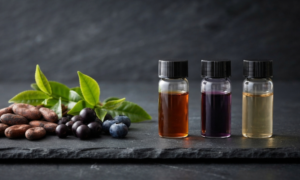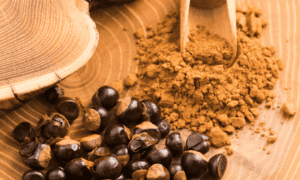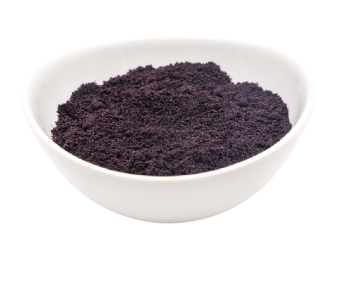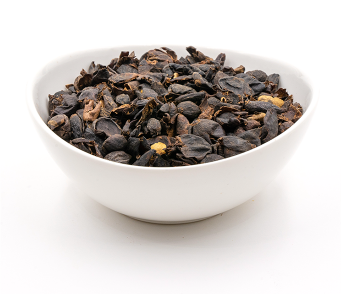
While yerba mate (Ilex paraguariensis) is widely recognized for its naturally occurring methylxanthines and polyphenolic compounds, the composition of these constituents may vary significantly depending on environmental conditions.
The chemical profile of the extract is closely associated with the concept of terroir – the environmental factors that influence plant development and secondary metabolism.
The botanical origin of yerba mate
Yerba mate is native to subtropical regions of South America, particularly southern Brazil, northeastern Argentina, and Paraguay. The species naturally develops within the Atlantic Forest biome, where climate conditions, soil composition, rainfall distribution, and biodiversity contribute to plant growth and phytochemical variability.
Environmental stressors and cultivation conditions may directly influence the production of secondary metabolites, including chlorogenic acids, saponins, caffeine, and theobromine – compounds commonly associated with the botanical profile of yerba mate extracts.
How environmental conditions influence phytochemical composition
The relationship between terroir and phytochemical composition has become increasingly relevant for ingredient standardization and formulation development. Variations in environmental conditions may affect both the concentration and distribution of bioactive compounds within the plant matrix.
Soil composition and mineral availability
Scientific literature suggests that mineral availability in soil may influence metabolic pathways related to polyphenol and saponin synthesis. Soil characteristics such as pH, organic matter content, and micronutrient distribution may also contribute to differences in extract composition between cultivation regions.
These variations may influence sensory attributes, botanical consistency, and ingredient performance in food and beverage applications.
Shade cultivation versus full sun exposure
Cultivation conditions also play an important role in phytochemical development. Yerba mate plants cultivated under partial forest canopy may present different chlorophyll concentrations and methylxanthine ratios compared to plants grown under full sun exposure.
These environmental adaptations may influence bitterness perception, color characteristics, and the overall sensory profile of the resulting extract.
Altitude, temperature, and growth cycle
Altitude and temperature are additional variables associated with phytochemical variability. Higher altitude regions are often linked to slower plant development cycles, which may contribute to differences in the accumulation of polyphenols and volatile compounds.
From an industrial perspective, these variations may impact extraction yield, flavor profile, and batch-to-batch consistency.
Why terroir matters for ingredient standardization
As demand for botanical ingredients continues to grow, consistency has become a critical consideration for product developers and manufacturers. Understanding the relationship between origin and phytochemical composition may support more reliable sourcing strategies and formulation performance.
For beverage, supplement, and functional food applications, ingredient variability may influence flavor, solubility, color stability, and overall product standardization.
Traceability and raw material characterization therefore play an increasingly important role in maintaining technical quality throughout the supply chain.
From cultivation to extract quality
Preserving botanical integrity throughout harvesting and extraction requires careful control of sourcing and processing parameters. Cultivation practices, drying conditions, extraction methods, and standardization protocols may all influence the final phytochemical profile of the ingredient.
We value ingredient traceability, technical consistency, and responsible sourcing practices to help connect South American botanical diversity with the evolving needs of the global food and beverage industry.
References
1) Heck, C. I., & de Mejia, E. G. (2007). Yerba Mate Tea (Ilex paraguariensis): A Comprehensive Review on Chemistry, Health Implications, and Technological Considerations. Journal of Food Science, 72(9). https://doi.org/10.1111/j.1750-3841.2007.00535.x
2) Bracesco, N., Sanchez, A. 24G., Contreras, V., Menini, T., & Gugliucci, A. (2011). Recent advances on Ilex paraguariensis research: Minireview. Journal of Ethnopharmacology, 136(3). https://doi.org/10.1016/j.jep.2010.06.032
3) Isolabella, S., Cogoi, L., López, P., Anesini, C., Ferraro, G., & Filip, R. (2010). Study of the bioactive compounds variation during yerba mate (Ilex paraguariensis) processing. Food Chemistry, 122(3). https://doi.org/10.1016/j.foodchem.2010.03.039