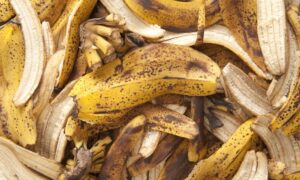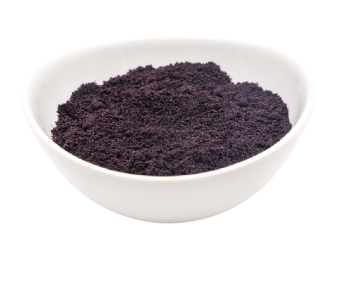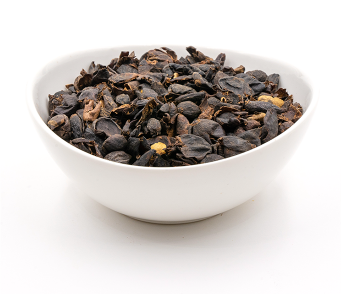
As the global food industry actively seeks scalable solutions that simultaneously address environmental sustainability, manufacturing efficiency, and enhanced nutritional value, upcycling has emerged as one of the most compelling innovation pathways. By systematically transforming agricultural processing side streams into highly functional ingredients, forward-thinking manufacturers can mitigate food waste, optimize baseline resource utilization, and unlock novel formulations for complex product development challenges.
What was historically dismissed as a processing byproduct is increasingly recognized by food science professionals as an invaluable reservoir of dietary fiber, bioactive compounds, organic micronutrients, and natural colorants. This paradigm shift directly reflects the industrial adoption of circular economy principles across the global food and beverage supply chain, turning structural inefficiencies into commercial and nutritional opportunities.
What is food upcycling?
Food upcycling denotes the systematic process of collecting, treating, and converting nutrient-rich raw materials, co-products, or agricultural side streams that would otherwise remain underutilized into high-value, clean-label ingredients strictly verified for human consumption.
Unlike conventional waste management or downgrading frameworks – such as animal feed or bioenergy conversion – upcycling prioritizes the strict preservation and maximization of the inherent nutritional and functional matrix of agricultural inputs. This strategic approach significantly improves global resource efficiency while simultaneously introducing versatile ingredients that drive clean-label innovation across multiple product categories, from functional beverages to specialized clinical nutrition.
For strategic ingredient manufacturers and product development teams, upcycling offers a clear operational framework to seamlessly align corporate sustainability mandates with tangible, high-margin commercial value creation.
From side streams to functional ingredients
Industrial fruit and vegetable processing operations generate substantial, highly concentrated volumes of nutrient-dense side streams, including peels, pomace, seeds, and specific fibrous fractions. Robust peer-reviewed scientific literature demonstrates that these secondary matrices routinely retain exceptional concentrations of macronutrients, dietary fibers, and specialized phytochemicals following primary commercial extractions.
Green banana powder serves as an industry-standard benchmark for functional upcycling. Manufactured utilizing controlled technological parameters from immature fruits, this functional ingredient is inherently dense in resistant starch – a complex carbohydrate that structurally escapes enzymatic hydrolysis in the human small intestine. Upon reaching the colon, this resistant fraction undergoes targeted fermentation by the resident gut microbiota, yielding short-chain fatty acids (SCFAs). Extensive scientific research correlates the regular dietary inclusion of resistant starch with validated physiological benefits, including a modulated glycemic response, enhanced insulin sensitivity, optimized digestive health, and prolonged satiety regulation.
Parallel technological advancements are evident in pineapple fiber derived from dedicated pineapple processing side streams. This highly stable matrix consists of a sophisticated complex of insoluble and soluble dietary fibers naturally embedded with active phenolic compounds. Empirical food science data confirms that these upcycled fibrous materials deliver critical techno-functional properties when introduced into industrial food matrices, demonstrating exceptional water-retention capacity, natural texture enhancement, viscosity modification, and comprehensive clean-label fiber enrichment.
These validated applications clearly demonstrate how structural agricultural side streams can be effectively re-engineered into functional assets, eliminating downstream disposal costs while enhancing product performance.
Why is upcycling attracting industry attention?
A convergence of macroeconomic drivers, technical validation, and evolving corporate frameworks is accelerating the mainstream adoption of upcycled ingredients within the global market:
- Sustainability goals: Global food brands are facing unprecedented operational and regulatory pressure to optimize their environmental footprints and lower Scope 3 emissions. Upcycled ingredients allow brands to extract maximum nutritional value from existing agricultural configurations, supporting verifiable waste reduction indices.
- Consumer demand for transparency: Modern consumers exhibit high levels of scrutiny regarding product sourcing, corporate ethics, and ecological footprints. Upcycled ingredients provide a clear, metrics-driven narrative of environmental stewardship.
- Functional formulation opportunities: Beyond environmental validation, upcycled ingredients offer exceptional performance in food applications. Plant-derived fibers, specialized polyphenols, robust natural pigments, and bioactives salvaged from secondary streams provide functional characteristics ranging from shelf-life extension in bakery goods to nutritional fortification in snacks and dietary supplements.
- Supply chain resilience: Diversifying active ingredient portfolios through the systematic integration of upcycled co-products creates robust secondary sourcing channels.
Technical considerations for ingredient development
Successful food upcycling demands strict industrial discipline that extends far beyond basic byproduct salvage. Achieving predictable consistency, microbiological safety, strict traceability, and objective techno-functional replication remain non-negotiable prerequisites for commercial adoption.
Ingredient developers and quality assurance teams must tightly manage a complex set of technical variables:
- Raw material variability across changing seasonal harvest periods.
- Processing technology selection to preserve heat-sensitive bioactives.
- Microbiological safety validation and prevention of enzymatic degradation at the collection source.
- Oxidative stability and continuous shelf-life management during long-term storage.
- Strict standardization of quality specifications.
- Regulatory compliance verification regarding active contaminant thresholds and food legislation.
The development of advanced industrial drying, low-impact milling, precision extraction, and targeted stabilization technologies has fundamentally expanded the availability of commercially scalable upcycled options. Consequently, modern ingredient manufacturers can deliver standardized batches with predictable processing parameters while maintaining the environmental benefits of systematic resource recovery.
References
1) Wang, S., Melnyk, J. P., Tsao, R., & Marcone, M. F. (2011). How natural dietary antioxidants in fruits, vegetables and legumes promote vascular health. Food Research International, 44(1). https://doi.org/10.1016/j.foodres.2010.09.005
2) Juarez-Garcia, E., Agama-Acevedo, E., Sáyago-Ayerdi, S. G., Rodríguez-Ambriz, S. L., & Bello-Pérez, L. A. (2006). Composition, digestibility and application in breadmaking of banana flour. Plant Foods for Human Nutrition, 61(3). https://doi.org/10.1007/s11130-006-0020-x
3) Khoozani, A. A., Birch, J., & Bekhit, A. E. D. A. (2019). Production, application and health effects of banana pulp and peel flour in the food industry. Journal of Food Science and Technology, 56(2). https://doi.org/10.1007/s13197-018-03562-z
4) Sagar, N. A., Pareek, S., Sharma, S., Yahia, E. M., & Lobo, M. G. (2020). Food loss and waste: opportunities for valorization of fruit and vegetable by-products. Food Research International, 136. https://doi.org/10.1016/j.foodres.2020.109577
5) Galanakis, C. M. (2012). Recovery of high added-value components from food wastes: Conventional, emerging technologies and commercialized applications. Trends in Food Science & Technology, 26(2). https://doi.org/10.1016/j.tifs.2012.03.001
6) Galanakis, C. M. (2021). Upcycled foods: A new pathway for sustainable food systems. Sustainability, 13(14). https://doi.org/10.3390/su13147884
7) FAO – Food and Agriculture Organization. (2019). Food wastage footprint and food loss reduction initiatives. FAO Scientific and Technical Publications. http://www.fao.org/publications/card/en/c/CA6030EN/