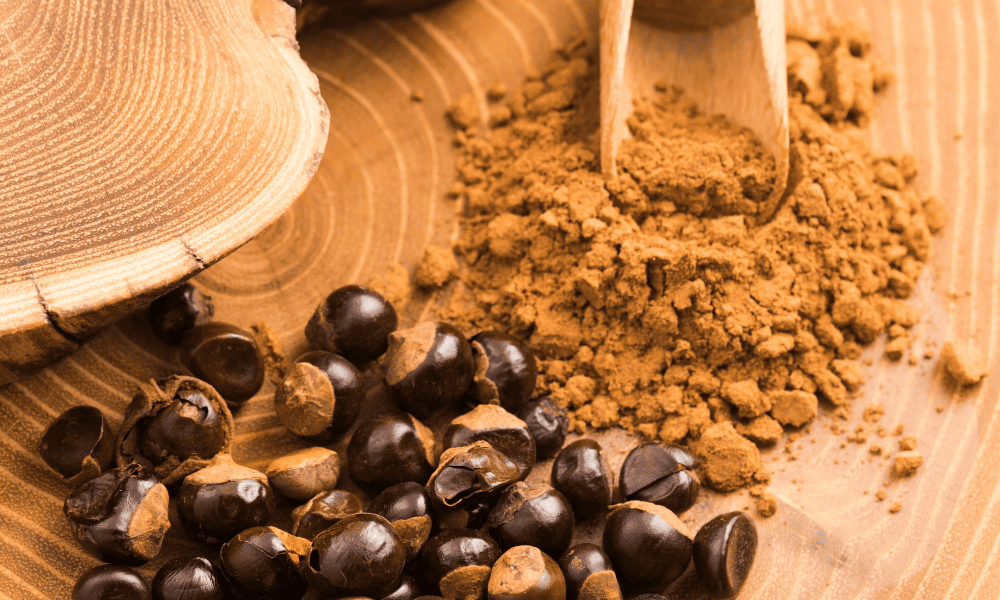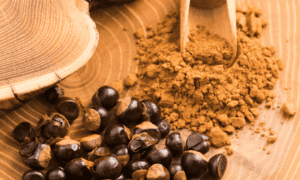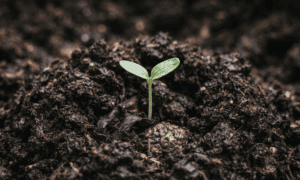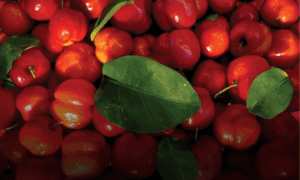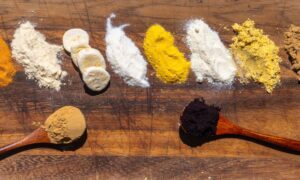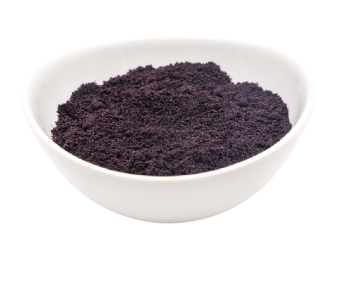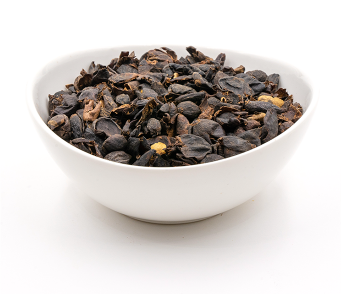
Guarana (Paullinia cupana) is a climbing plant belonging to the Sapindaceae family, native to the Amazon basin. While it grows wild in the rainforest, commercial cultivation for the global ingredient market is concentrated in Brazil, particularly in the states of Amazonas and Bahia. For product development professionals, the technical value of guarana lies in its seeds, which contain a unique complex of methylxanthines and polyphenols distinct from traditional coffee beans or synthetic caffeine sources.
Historically used for centuries by indigenous tribes such as the Sateré-Mawé and Guarani to sustain endurance during long hunts, guarana has evolved from an ancestral staple into a sophisticated B2B botanical input. Modern food science has validated these traditional observations of sustained vitality, positioning guarana as a premier active for the global functional beverage and nutraceutical industries. Converting this rich botanical heritage into an industrial-grade product requires rigorous technical compliance, origin control, and active standardization to meet the demands of CPG brands.
Chemical matrix: methylxanthines vs. synthetic caffeine
From an analytical perspective, the chemical profile of guarana seeds is defined by a high concentration of natural caffeine, alongside trace amounts of secondary methylxanthines like theobromine and theophylline. Raw guarana seeds contain between 2.5% and 6% caffeine by dry weight – significantly higher than coffee beans. However, the key technological differentiator for formulators is the native presence of condensed tannins and polyphenols (catechins and epicatechins). These bioactive compounds form a natural macro-molecular complex with caffeine.
Unlike synthetic caffeine, which rapidly dissolves and causes sudden energy spikes followed by a sharp metabolic “crash,” the tannin-bound caffeine in guarana is released more gradually in the gastrointestinal tract. This delivers a smooth, sustained energy curve that enhances mental focus and physical endurance without causing nervous jitters, cardiac spikes, or post-consumption fatigue.
Active standardization ranges and formulation precision
Formulation stability depends on batch-to-batch active consistency. Our portfolio features guarana extracts standardized across a spectrum of natural caffeine percentages:
- 8% to 12% caffeine standardization: tailored for functional beverages, daily wellness drinks, and RTDs requiring a balanced, mild energy claim alongside a rich natural polyphenol profile.
- 15% to 22% high-potency standardization: formulated for high-performance applications such as pre-workout powders, nootropic capsules, and energy shots where formulation volume is limited and maximum active amount per gram is required.
All formats are processed into fine, highly dispersible powders with neutral-to-balanced flavor profiles.
Product applications
To support diverse market positioning and regulatory demands, Verum Ingredients offers both NOP-certified organic and conventional guarana extract solutions.
The stable energy release and technical compliance of our standardized guarana extracts enable versatile application across multiple CPG categories:
- Clean label energy drinks: serving as a 100% natural substitute for synthetic caffeine in next-generation RTDs.
- Pre-workout & sports nutrition: enhancing physical stamina and delaying perceived exertion during high-intensity training.
- Nootropic & cognitive formulations: partnering with other adaptogens and botanicals to support mental clarity, executive function, and focus.
- Functional shots & gummies: providing concentrated vitality in compact, on-the-go consumer formats.
Traceability, supply security, and technical support
Verum guarantees mapped origin and full batch traceability as we work exclusively with audited Brazilian partners.
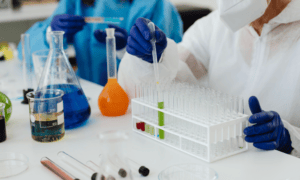
To protect your production schedule and eliminate lead-time uncertainty, we maintain a local inventory in California. Furthermore, our team – backed by founder-led PhD expertise in food science – works with your product formulators to overcome solubility hurdles, assist with flavor masking, and co-create synergistic botanical blends tailored to your exact product specifications.
Ready to elevate your next functional formulation with standardized guarana extracts? Contact our technical team to request technical data sheets (TDS), certificates of analysis (COA), and samples, or visit the link in our bio to explore our botanical portfolio.
References
1) Kapp, R. W., et al. (2016). Safety evaluation of guarana (Paullinia cupana L.). International Journal of Toxicology, 35(2), 233–242. https://doi.org/10.1006/eesa.1997.1576
2) Schimpl, F. C., et al. (2013). Guarana: Revisiting a highly stimulating plant from the Amazon. Journal of Ethnopharmacology, 150(1), 14–31. https://doi.org/10.1016/j.jep.2013.08.023
3) Kennedy, D. O., et al. (2008). Improved cognitive performance and mental fatigue following a multi-vitamin and mineral supplement with added guarana. Psychopharmacology, 198(1), 399–408. https://doi.org/10.1016/j.appet.2007.10.007
4) Schuster, J., & Mitchell, E. S. (2019). More than just caffeine: psychopharmacology of methylxanthine interactions with plant-derived phytochemicals. Progress in Neuro-Psychopharmacology and Biological Psychiatry, 89, 263–274. https://doi.org/10.1016/j.pnpbp.2018.09.005
5) Woods, M., et al. (2015). Comparison of the effects of guarana and anhydrous caffeine on exercise performance. Journal of Science and Medicine in Sport, 18, e164. https://doi.org/10.1080/17461391.2015.1085097