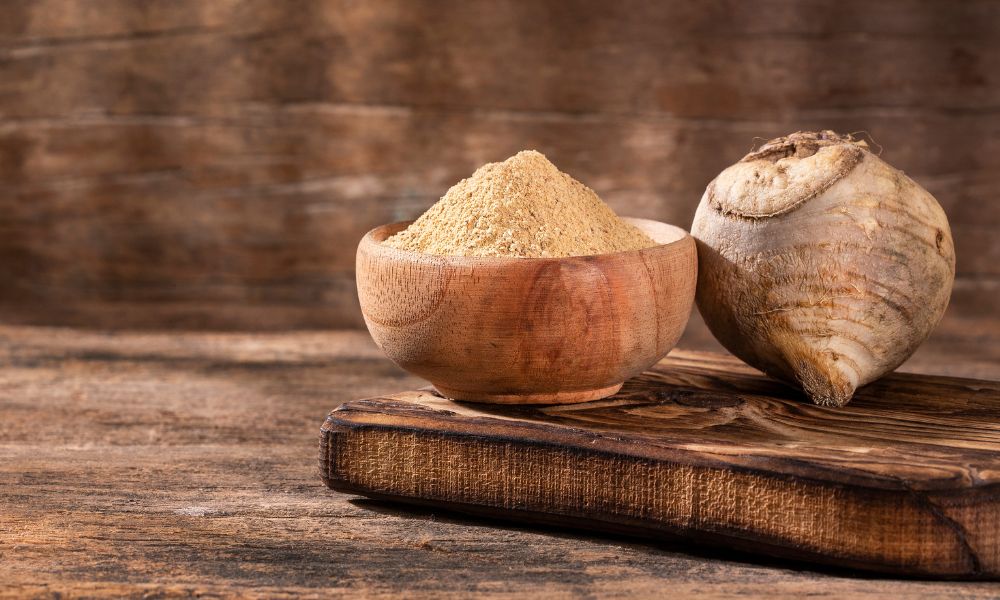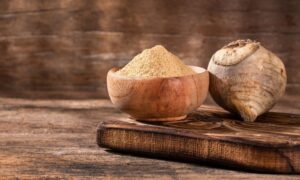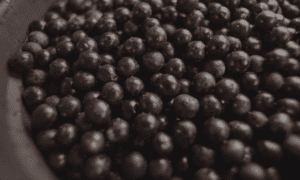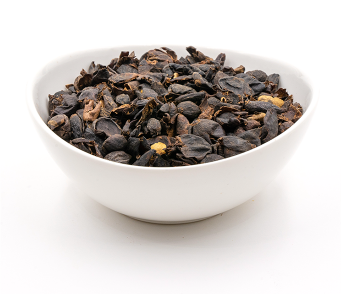
Maca (Lepidium meyenii) is an herbaceous plant belonging to the Brassicaceae family. Its occurrence and cultivation take place exclusively in the high-altitude regions of the Peruvian Andes, particularly on the Junín plateau. Developing at altitudes ranging from 3.500 to 4.500 meters above sea level, these crops face extreme weather conditions – such as intense cold, strong winds, and high solar radiation – which induce the plant to produce a dense concentration of protective secondary metabolites. For product formulation teams, understanding the technical nuances that differentiate the whole root powder from standardized extracts is essential to ensure solubility and the correct level of active biological components in the final product.
Tradition and history of consumption
Historically, the use of maca dates back thousands of years, establishing itself as a central element in the nutrition and culture of ancestral Andean civilizations, including the Inca Empire. Cultivated in soils where few other crops can survive, the root was regularly consumed by local populations to support the resilience and vitality necessary to endure life at high altitudes. In addition to forming the basic food staple of the region due to its nutritional value, historical records indicate that Inca warriors strategically utilized the root before battles to optimize stamina and physical vigor.
Over the centuries, traditional knowledge regarding natural sun-drying techniques and the artisanal processing of the root was preserved by generations of Peruvian farmers. Today, this cultural heritage serves as a foundation for modern scientific validation. The transition from ancient use to the global B2B functional ingredients market reflects the industry demand for authentic botanical inputs that combine a history of safe consumption with proven technical efficacy.
Chemical composition
From an analytical standpoint, the chemical profile of maca is characterized by a complex and robust matrix. It contains a balanced distribution of macronutrients, minerals (such as potassium, calcium, and iron), amino acids, and several secondary bioactive compounds. The main markers of purity and active concentration are macaenes and macamides, exclusive lipid compounds directly related to the quality of the raw material. Additionally, the root presents specific glucosinolates, sterols, and alkaloids, whose thermal and molecular stability must be rigorously evaluated during industrial processing stages.
Nutritional benefits
Scientific literature associates the consumption of maca actives with several factors of metabolic support and optimization of general well-being. Studies suggest that the bioactive components of the root act as efficient adaptogen modulators, which are associated with physical energy support, stamina improvement, and the reduction of chronic fatigue.
Furthermore, scientific data indicates that some components support cognitive function and mental focus, offering a stable and long-lasting performance alternative without the overstimulation spikes or fluctuations associated with traditional synthetic compounds.
Industrial applications
For the Consumer-Packaged Goods (CPG) market, the functional appeal of maca allows its incorporation into different product categories:
- Food supplements: development of capsules, tablets, or ready-to-mix blends aimed at sports nutrition, vitality, and daily stress management.
- Functional beverages: formulation of RTDs (ready-to-drink), functional teas, and nutritional shots, a niche where strict control over solubility and visual clarity determines the success of the application.
- Functional foods: enrichment of protein bars, high-nutrient-density snacks, and healthy bakery products, where the earthy sensory profile of the root can be strategically harmonized with ingredients such as cocoa.
Portfolio solutions by Verum: maca powder and maca extracts
To precisely meet the analytical parameters determined by development teams, we supply these main formats:
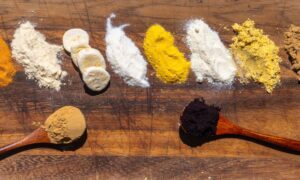
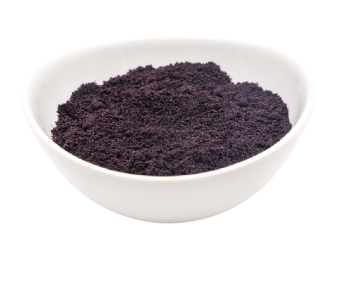
- Maca powder: obtained through the dehydration and fine milling of the whole root, preserving the entire original plant matrix; it is ideal for functional foods and solid supplements.
- Maca extracts: dry extracts with rigorous standardization of bioactives and excellent dispersibility, specifically designed for applications that require high solubility and concentrated dosages.
Full traceability of our offer
The entire line of maca powder and extracts distributed by Verum Ingredients has its origin mapped and controlled directly in the Peruvian Andes. We work in close cooperation with strictly audited local agricultural producers, qualified under rigorous international food safety standards. Verum guarantees full batch traceability – from harvest in the Andean soil to the final industrial destination –, which mitigates operational risks in the supply chain and ensures the technical consistency and compliance demanded by the global market.
Strategic differentials of Verum
Choosing Verum Ingredients as a strategic partner is based on clear commercial commitments and consolidated operational pillars:
- Curation of excellence: a meticulous approval process and long-term relationships with the best producers at the Peruvian origin.
- Local inventory: competitive pricing combined with the security of a strategic local stock in the US, freeing clients from complex import processes and optimizing delivery schedules.
- Customization and technical background: specialized technical support linked to the sale of ingredients, helping formulators overcome challenges related to solubility, active interaction, and the co-creation of tailor-made functional blends.
References
1) Gonzales, G. F., et al. (2002). Lepidium meyenii (Maca) improved semen parameters in adult men. Asian Journal of Andrology, 4(4), 227-232.
2) Wang, Y., et al. (2007). Macamide chemistry and pharmacology: A review of the bioactives of Lepidium meyenii. Journal of Agricultural and Food Chemistry, 55(12), 4621-4628.
3) Stone, M., et al. (2009). A pilot investigation into the effect of maca supplementation on physical activity and sexual desire in sportsmen. Journal of Ethnopharmacology, 126(3), 574-576.
4) Rubio, J., et al. (2011). Aqueous and hydroalcoholic extracts of Black Maca (Lepidium meyenii) improve memory and learning impairments in mice. Evidence-Based Complementary and Alternative Medicine, 2011, 1-11.