Verum Ingredients

Current market uncertainties and supply chain risk mitigations

We acknowledge the impact of recent tariffs on our customers and remain committed to transparency and support. Shipments departing before April 5, 2025, and arriving by May 27 qualify for duty exemption; those loaded April 5-8 face a 10% IEEPA duty (except China). Tariffs scheduled after April 9 are paused for 90 days, except for China’s 125% rate. Starting May 1, invoices will clearly list tariffs for transparency. Despite supply chain uncertainties, we strive to deliver South American ingredients timely and support your business. Contact us for assistance.

Current market uncertainties and supply chain risk mitigations Read More »

The food and beverage CPG journey: the complex choice of a co-packer/co-man

Choosing the right co-packer or contract manufacturer is crucial for CPG success but complex, involving many factors. Key criteria include certifications (GMP, organic, kosher), industrial capabilities, lead times, R&D support, and clear ownership of product formulation—legal advice is recommended. Support in purchasing and warehousing can ease operations and improve flexibility. Balancing quality, cost, and communication is essential. At Verum Ingredients, we pride ourselves on partnering closely with customers to navigate formulation and manufacturing challenges for growth and consistency.

The food and beverage CPG journey: the complex choice of a co-packer/co-man Read More »

The gut-brain axis: how our diet can influence our mental health

The gut, with its own nervous system, communicates bidirectionally with the brain via the gut-brain axis, involving immune cells and microbiota. Gut bacteria digest fibers into short-chain fatty acids that regulate immunity and hormone secretion, influencing brain neurotransmitters like dopamine. Microbial metabolites such as GABA affect mood and may contribute to neurodegenerative diseases. Altered microbiota can increase gut permeability, causing inflammation and oxidative stress, impacting neurotransmitter function. A diverse, plant-rich diet supports gut health, reducing inflammation and benefiting both intestinal and brain wellness.

The gut-brain axis: how our diet can influence our mental health Read More »

Our expanded portfolio & how to choose the right fruit powder

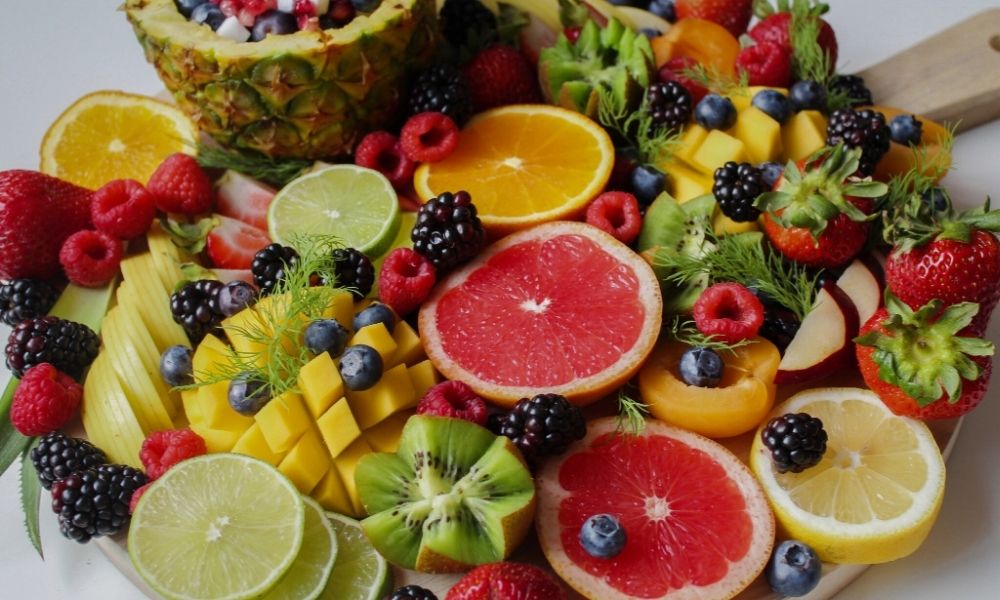
Our expanded fruit powder portfolio includes various drying technologies that affect product characteristics. Vacuum drying dehydrates whole fruit or juice under heat and vacuum, producing powders like goldenberry and lucuma in diverse textures. Drum-drying forms thin layers on heated drums, ideal for fat-rich fruits like açai and mango. Spray-drying transforms juice into fine powders rapidly but may reduce some nutrients; options include strawberry and pineapple. Freeze-drying uses sublimation without heat, preserving nutrients for clean-label products like banana and coconut water. Each method offers unique solubility, flavor, and nutrition, tailored to your needs.

Our expanded portfolio & how to choose the right fruit powder Read More »

Prebiotic functionality of green banana flour: a powerful ingredient to support gut health

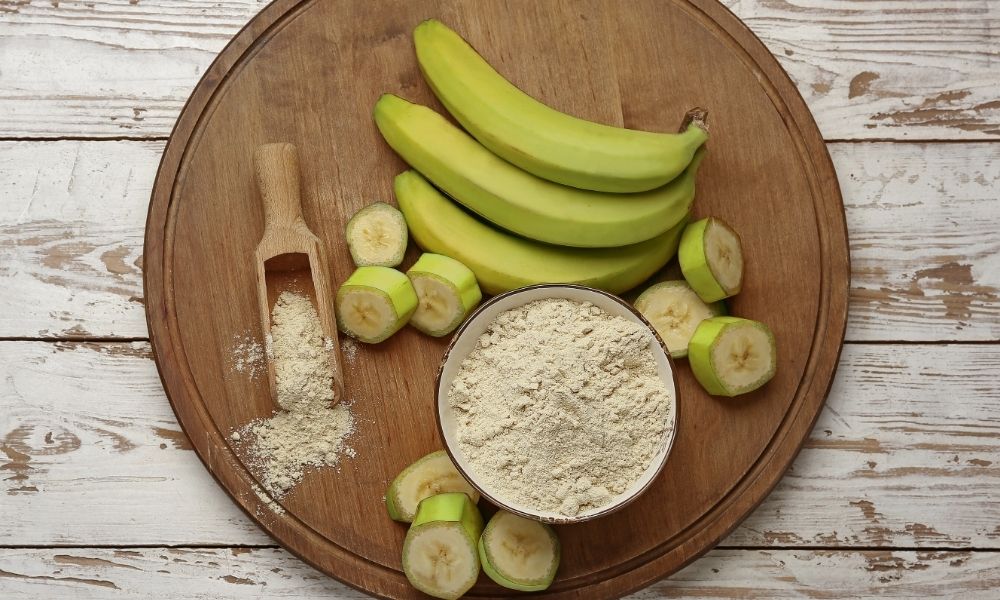
Green banana flour is a low-cost, health-promoting ingredient rich in resistant starch—the highest among unprocessed foods. Resistant starch resists digestion in the small intestine and ferments in the colon, feeding gut bacteria and producing beneficial short-chain fatty acids (SCFAs) like acetate, propionate, and butyrate that regulate immunity and reduce inflammation. Besides starch, it provides fibers, vitamins, minerals, and phenolics, enhancing gut health. Studies show its antioxidant and anti-inflammatory effects, with promising clinical trial results for ulcerative colitis. Green banana flour is a valuable prebiotic for functional food formulations.

Prebiotic functionality of green banana flour: a powerful ingredient to support gut health Read More »

Verum offers the most diverse acerola powder portfolio on the market

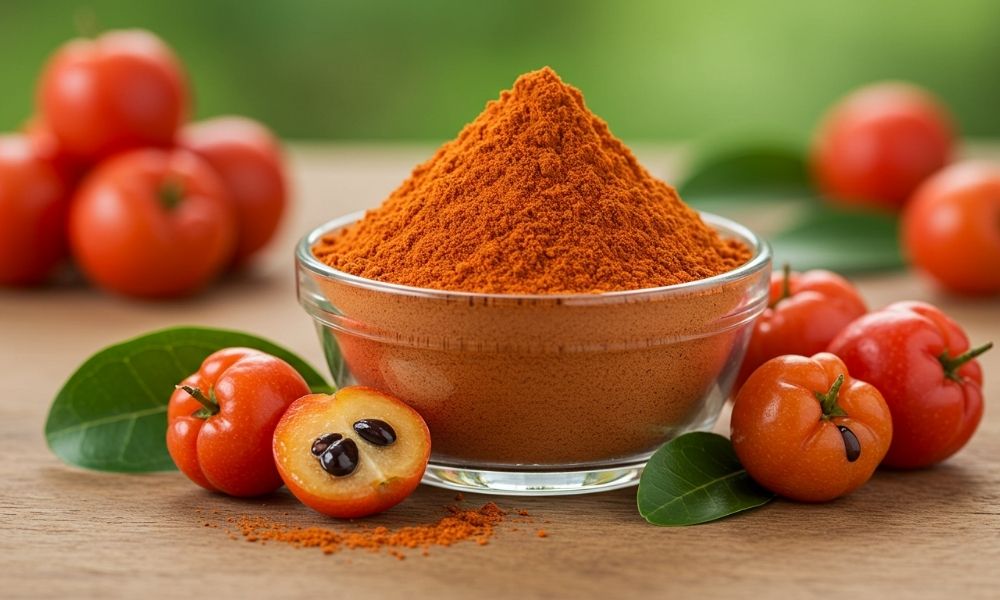
Verum Ingredients is proud to offer the most diverse portfolio of acerola powders on the US market. And there is an explanation for the need for so many options. However, the rationale behind so many different SKUs is sometimes unknown even to very experienced product formulators and buyers. We are regularly approached by customers looking for “acerola powder”. Every time we reply in the same way: would you mind sharing information about your application? That is the key difference that we offer to our business partners: a deep understanding of what we sell and how our products fit into their product formulations. Let us walk through the three key differences amongst the dozens of “acerola powder” products in our portfolio. 1. Organic or conventional? The first, very simple (and very important!) is whether the ingredient is for a conventional or organic formulation. In a little more detail, the organic options can either be NOP Organic or NOP 100% organic. Your product formulation and organic certification goals will define how much that distinction matters. 2. How much Vitamin C? The Vitamin C content of the different Acerola Powders will vary from 8 to over 30%. The variance is related to the use of unripe or ripe acerola cherries in the juice, and the powder formulation (presence or not of excipients). The content of Vitamin C in the powder is relevant if there are dosage constraints. We are confident that there is one SKU in our portfolio that already suits your formulation. 3. Soluble or very soluble? We already mentioned earlier that acerola powders can be either freeze-dried (water is removed from the frozen juice at very low temperatures) or spray-dried (water is removed from a juice slurry). Besides the drying technology, the juices (or extracts) used also vary. Some juices can be submitted to ultra-filtration steps (aka clarified), a process that will remove some small insoluble particles. Clarified juices are used in spray-dried powders that will have higher Vitamin C content and are more soluble when dissolved in water. We are very proud to offer this extensive portfolio of “acerola powders”. Reach out to us now to discuss your formulation and we will gladly help you!

Verum offers the most diverse acerola powder portfolio on the market Read More »

Correlation between diet, creeping fat and gut microbiota in Crohn’s disease

Dr. Ana Quaglio, head of Verum’s R&D team, co-authored a peer-reviewed scientific paper in the World Journal of Gastroenterology which describes the correlation between the gut microbiome and adipose tissue in Crohn’s disease (CD), a type of intestinal inflammation. Crohn’s disease is a form of inflammatory bowel disease (IBD) characterized by chronic inflammation of the gastrointestinal tract, influenced by genetic predisposition, gut microbiota imbalance, and environmental factors. The incidence of IBD is probably increasing due to a combination of factors such as lifestyle and changes in diet with an increase in ultra-processed food consumption, leading to changes in microbiota. The gut microbiota comprises a dynamic community of microorganisms that plays a fundamental role in intestinal balance and other physiological processes, including digestion, metabolism, and immune function. A recent study by Crohn’s and Colitis Canada (Genetic, Environmental, Microbial Project) identified some microbial alterations that could precede the onset of CD by several years. It is believed that early interventions such as changes in the diet could modulate the gut microbiota and potentially reduce the risk of developing inflammation associated with the disease. Visceral adipose tissue, an organ active in metabolism, immunity, and endocrinology, plays a complex role in the pathogenesis of IBD. Its strategic location and ability to secrete inflammatory mediators make it a vital regulator of the intestinal immune response. During CD, the adipose tissue that is in close contact with the damaged intestine can be named as “creeping fat”. It acts as a physical barrier and modulator of inflammation, contributing to disease progression. The bacteria from the gut microbiota may translocate into mesenteric adipose tissue, contributing to the formation of creeping fat and influencing CD progression. Although creeping fat may be a protective barrier against bacterial invasion, its expansion can damage adjacent tissues, leading to complications. Modulating gut microbiota through interventions such as the consumption of prebiotics has shown potential benefits in managing CD. However, more research is needed to clarify the mechanisms linking gut imbalance, creeping fat, and CD progression and to develop targeted therapies for microbiota modulation and fat-related complications in patients with CD. Read the full paper by Quaglio AE, Magro DO, Imbrizi M, De Oliveira EC, Di Stasi LC, Sassaki LY at https://www.wjgnet.com/1007-9327/full/v31/i1/102042.htm

Correlation between diet, creeping fat and gut microbiota in Crohn’s disease Read More »

Why should your company include fruit and vegetable powders in its products?

Incorporating fruit and vegetable powders into your products is more than just a trend – it’s a strategic move to meet growing consumer demands. Here’s why your company should consider these innovative ingredients: 1. Nutritional boost Fruit and vegetable powders contain vitamins, minerals and antioxidants and offer a convenient way to improve the nutritional profile of your products. Whether they are snacks, drinks or meal replacements, these powders add value by attracting health-conscious consumers. 2. Versatility in applications From vibrant natural colors to rich flavors, fruit and vegetable powders are incredibly versatile. They can be used in smoothies, baked goods, sauces, dressings and much more, allowing brands to innovate in various categories. 3. Longer shelf life Unlike fresh produce, powders are shelf-stable and easier to store, reducing waste and ensuring a consistent supply of essential ingredients all year round. 4. Clean label appeal Consumers are increasingly looking for clean label products with simple, recognizable ingredients. Fruit and vegetable powders align perfectly with this demand, providing natural solutions without artificial additives. 5. Sustainability and efficiency Using powders reduces the environmental impact of food waste and transportation, while maintaining premium quality.   By incorporating fruit and vegetable powders into your products, you not only offer superior taste and nutrition, but also meet the growing demand for healthy, sustainable and innovative solutions. Ready to take your products to the next level? Contact us at Verum Ingredients to explore ingredient solutions tailored to your business.

Why should your company include fruit and vegetable powders in its products? Read More »

Safety and quality in herbal products supply chain

Herbal products and phytomedicines are derived from plants and used to maintain health, treat diseases and improve quality of life. They differ from many purified prescription drugs derived from plants regulated by the Food and Drug Administration (FDA). Herbal supplements or preparations may contain parts or whole plants in their constitution and their manufacture is not fully regulated by the FDA. However, since 2007, the FDA has applied a list of recommendations for the manufacture of dietary supplements described as current good manufacturing practices (cGMP). These allow producers to certify their products for the presence of heavy metals or other contaminants, for example. This is a topic of concern since inadvertent use of herbal medicines concomitantly with prescribed medications can lead to ineffective treatment or toxicity due to pharmacological interactions. Because of this, the FDA offers resources to report any adverse event related to dietary supplements. Another important point is that a herbal supplement’s efficacy depends on its active compounds being present in optimal amounts for the effect to be achieved in the body. These bioactive compounds can vary greatly depending on specie variety or cultivation characteristics. To achieve the proper concentrations, many important steps in plant production and processing should be followed, including the correct time of year when the plant will be collected. For example, St. Jhon’s wort (Hypericum perforatum) is a medicinal plant known for its antibacterial, antioxidant and antidepressive activities. Herbal medicines made from its flowers are more effective when the raw material is collected in August and processed fresh. A safe and reliable chain of suppliers of plant materials and extracts is of utmost importance in the production and distribution of herbal products, extracts and dietary supplements. Verum Ingredients offers you ingredients from our network of reliable partners that meet all food safety and quality standards, mitigating risks to the supply chain. Contact one of our consultants today through one of our channels to learn more about these products.

Safety and quality in herbal products supply chain Read More »

How do I know if my gut is healthy?

The human microbiome is composed of several types of microbes that colonize different niches of the human body, such as the skin, lungs, and gastrointestinal tract. Of these, the gut microbiota is the most studied, due to the presence of greater diversity and number of microbial species compared to other parts of the body. The gut microbiota is a complex community of approximately 100 trillion microorganisms that inhabit the digestive tracts of humans, living in symbiosis with the host. This symbiosis is characterized by an interaction between two different organisms living in close association with advantage to both. But how do I know if my intestinal microbiota is healthy? In a simple way, eating or drinking habits should not cause more than occasional bloating or discomfort, and you should have regular, well-formed bowel movements every one to three days. Symptoms like acid reflux, bloating, constipation or diarrhea could be a sign that your gut is not working well and simple changes in eating habits and lifestyle can help. If your symptoms persist or affect your quality of life, you should see a primary care provider or a gastroenterologist. Besides digesting food and absorbing nutrients, gut microbiota can influence virtually all aspects of our biology from the immune system to metabolism, inflammation and even some types of cancer. The best way to care for your gut is to feed yourself with healthy foods. Vegetables, whole grains, nuts and seeds are examples of foods rich in nutrients such as fibers and vitamins that help keep your microbiota healthy. On the other hand, regular consumption of highly processed foods, alcohol, as well as processed and red meats involves minor bacterial diversity and has been associated with greater risk of colorectal cancer. Many clinical conditions such as constipation, malabsorption of nutrients and even colorectal cancer can be associated with, and are often caused by, microbial imbalance and/or altered gut permeability (leaky gut). All are consequences of unbalanced lifestyle and genetical predisposition. There are simple ways to prevent those conditions: consumption of a balanced diet with fibers, physical exercise, maintaining regular sleep as much as possible and, more specifically, regular visits to the doctor. For more information check out the full article in the link below: https://www.nytimes.com/interactive/2023/02/22/well/eat/gut-microbiome-health.html

How do I know if my gut is healthy? Read More »

Methylxanthines and health benefits

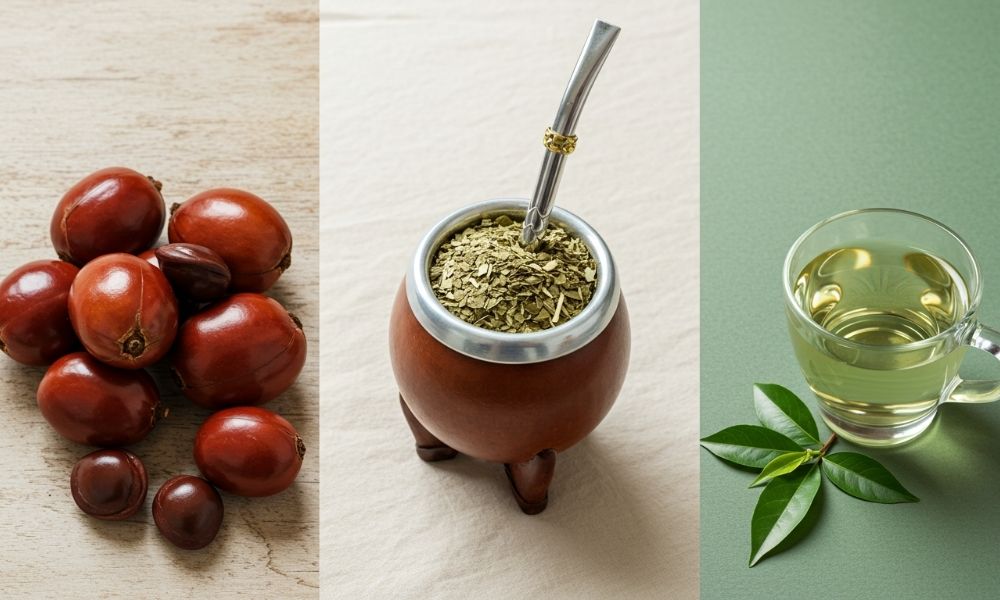
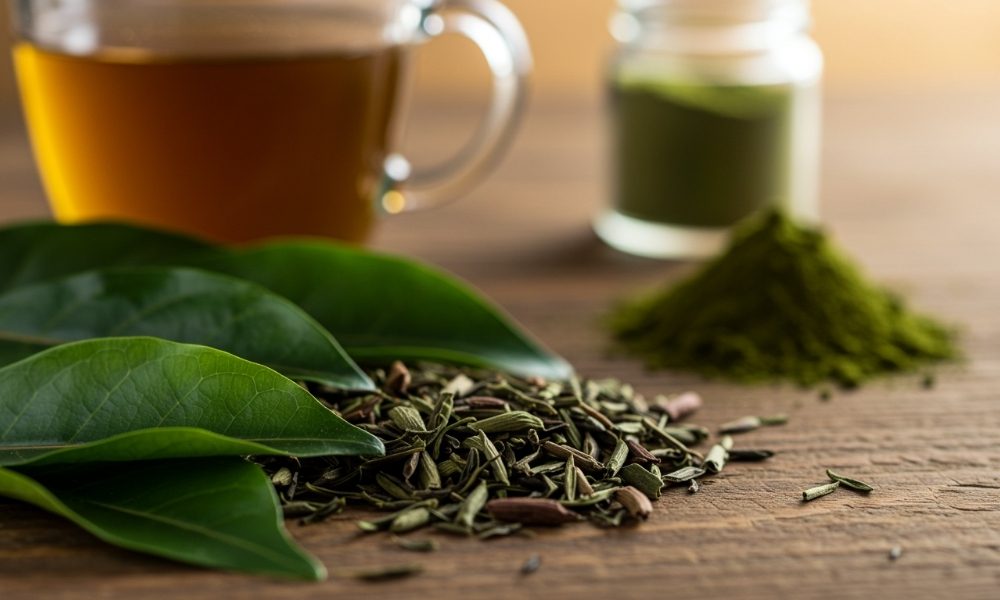
Methylxanthines are a group of naturally occurring substances found in coffee, tea, guarana and chocolate for example. They have a broad spectrum of pharmacological and energetic effects on the central nervous, cardiovascular, renal, digestive and immunological systems, as well as on the metabolism of carbohydrates and lipids. Caffeine (1,3,7-trimethylxanthine), theophylline (1,3-dimethylxanthine), and theobromine (3,7-dimethylxanthine) are the most commonly available methylxanthines from natural sources. Foods and drinks containing methylxanthines have been consumed since ancient times, probably dating back to the Paleolithic period with specific pharmacological uses attributed to them. They are known to be responsible for many health benefits, particularly in the prevention of cardiovascular and neurodegenerative diseases. Recent studies have highlighted the positive role of methylxanthines in metabolic disorders, such as diabetes and weight gain, highlighting promising strategies that modulate and prevent dysfunctions of gastrointestinal metabolism. Among the main species for obtaining methylxanthines, the most notable are guarana (Paullinia cupana), yerba mate (Ilex paraguariensis), coffee (Coffea sp.), cacao (Theobroma cacao) and Indian tea (Camelia sinensis). Guarana seed, which is native to the Amazon rainforest, and yerba mate, native to the southern corner of South America, contain caffeine, and traces of theophylline and theobromine. Coffee, on the other hand, may contain varying amounts of caffeine depending on the roasting process of the commercially available products. Verum Ingredients offers a portfolio of products rich in methylxanthines such as guarana, yerba mate and coffee fruit. Contact one of our consultants today to learn more about our products.

Methylxanthines and health benefits Read More »

Expression of microRNAs in adults with celiac disease

Expression of microRNAs in adults with celiac disease: a narrative review

Dr. Ana Quaglio, head of R&D at Verum Ingredients, has co-authored a peer-reviewed scientific publication on the participation of miRNAs in celiac disease. It is the most prevalent gastrointestinal disease worldwide and is commonly known as “gluten intolerance”. In genetically susceptible individuals, ingestion of wheat gluten and similar proteins in rye and barley, induces an immune-mediated response that results in inflammation and damages the small intestinal mucosa. “Gluten” is a term commonly used to refer to specific disease-activating proteins present in wheat (Triticum spp.), barley (Horderum vulgare), and rye (Secale cereale). However, gluten is the storage protein fraction present only in wheat grains. Oats are normally inoffensive to individuals with celiac disease, but cross-contamination with other cereals during its processing and storage is commonly observed; therefore, it is recommended to avoid it. MicroRNAs are a class of small RNA molecules that can silence multiple target genes and can control approximately 30% of gene expression thereby upregulating or downregulating the expression of specific genes in the human body. Our review shows that miRNA expression can suppress or stimulate pathways related to celiac disease pathogenesis by regulating basic cellular functions, such as cell proliferation and differentiation, immune response, and activation of the inflammatory cascade. Further studies with celiac disease patients should be performed to determine the potential use of miRNAs in celiac disease treatment. “Co-authoring this peer-reviewed publication gave me the opportunity to develop a deeper understanding of the interplay between the food that we eat and our overall health. Celiac disease is a good example of how our diet, microbiome and immune system are interconnected. I am confident in applying these insights to our internal R&D programs at Verum Ingredients.”, says Dr. Ana Quaglio. Reference: Rigo FF, Oliveira ECS, Quaglio AEV, Moutinho BD, Di Stasi LC, Sassaki LY. Expression of MicroRNAs in Adults with Celiac Disease: A Narrative Review. Int J Mol Sci. 2024 Aug 30;25(17):9412. Access the complete article at https://www.mdpi.com/1422-0067/25/17/9412

Expression of microRNAs in adults with celiac disease: a narrative review Read More »