Verum Ingredients

Guayusa: a versatile ingredient for natural energy and functional nutrition

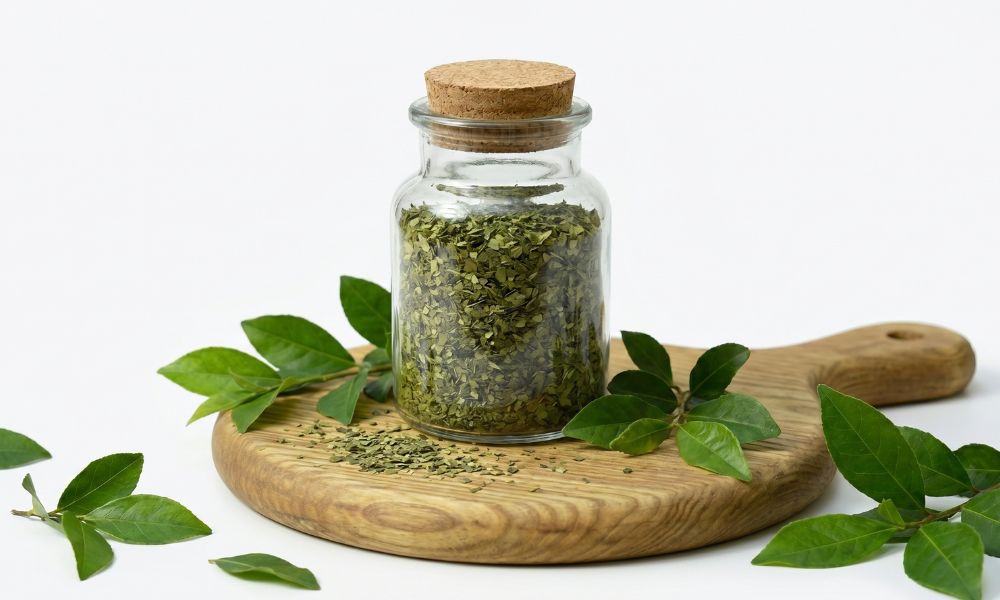
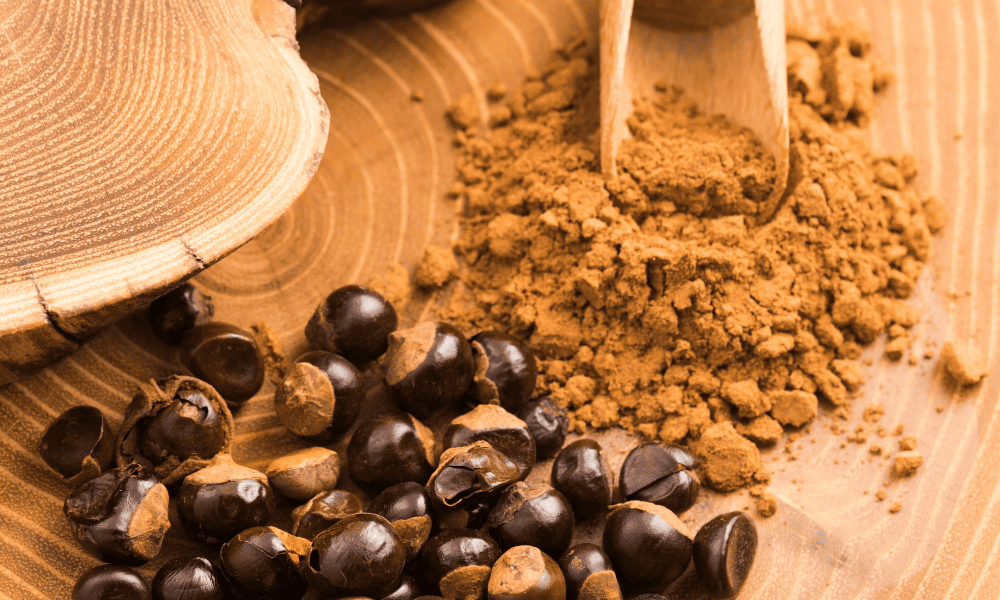
Guayusa (Ilex guayusa) is a traditional plant native to the Ecuadorian Amazon. For generations, indigenous Kichwa families have gathered before sunrise to share an infusion made from its fresh leaves – a ritual that supports mental alertness and sustained energy throughout the day. In recent years, global interest in guayusa has grown, driven by its unique nutritional and bioactive profile. Its leaves naturally contain caffeine, phenolic compounds (including flavonoids and chlorogenic acids), theobromine, amino acids such as L-theanine, tannins, and triterpenes. Together, these compounds contribute to guayusa’s reputation as a source of natural energy and antioxidants. The antioxidant function of phenolic compounds helps neutralize free radicals, supporting overall cellular health and general well-being. With a mild, slightly sweet taste and low bitterness (less tannic), guayusa is a versatile ingredient for ready-to-drink (RTD) teas, functional beverages, and energy bars. Its smooth sensory profile pairs well with fruit and herbal flavors, making it suitable for a wide range of formulations. Verum offers organic guayusa in three formats: powder, extract, and as cut leaf. For years, we have sourced organic guayusa directly from Ecuadorian producers, building long-term partnerships rooted in fair-trade principles and sustainable agroforestry. Harvesting is carried out by local farming communities using practices that promote biodiversity, organic cultivation, and the preservation of cultural traditions. Our integrated supply chain ensures quality, consistency, and traceability. Contact our technical team to explore formulation opportunities and incorporate this plant-based, performance-driven ingredient into your products.

Guayusa: a versatile ingredient for natural energy and functional nutrition Read More »

Impact of ultra-processed foods on human health: insights for the food industry

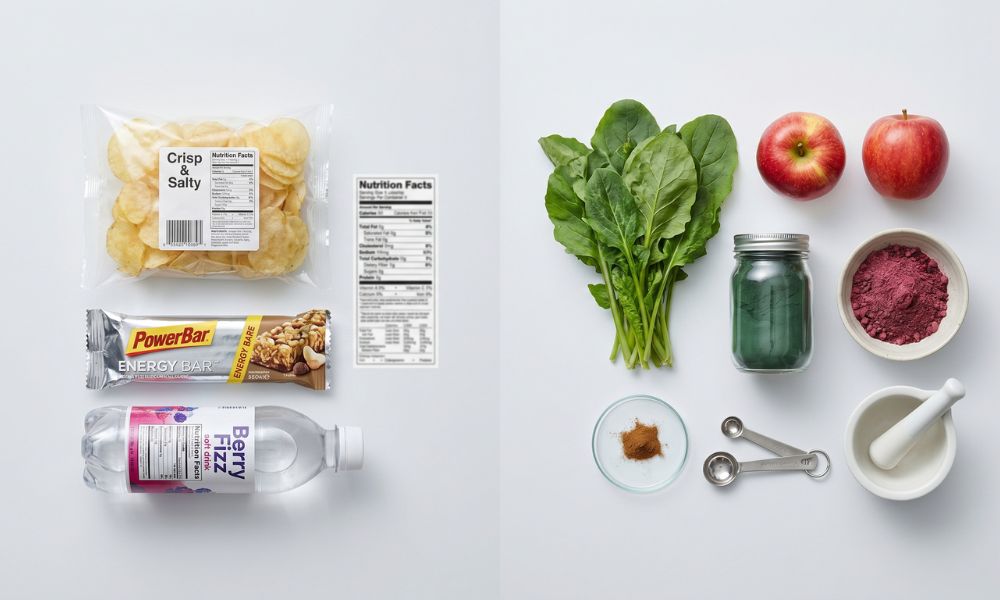
In a recent three-paper series, The Lancet examines the global rise in ultra-processed foods (UPFs) in diets and highlights their association with various non-communicable diseases, emphasizing the critical role of food processing in shaping public health outcomes. Over recent years, food processing methods have dramatically evolved, with significant – and often overlooked – consequences on human health, particularly in relation to diet-driven chronic diseases. Traditional food preservation methods, like drying, freezing, and pasteurization, largely maintain the natural structure of foods, whereas newer technologies involve chemical modifications that combine food ingredients with additives to create ready-to-consume, long-lasting products. This shift has led to the introduction of a new food classification system based on the extent of processing, known as NOVA, which identifies four food groups, with the most heavily processed category being ultra-processed foods (UPFs)¹. UPFs are formulations made predominantly for industrial use, undergoing extensive industrial processes and typically containing little or no whole foods. These products often contain additives like flavorings, colorings, emulsifiers, and sweeteners to improve taste and shelf life, but in the process, they stray far from their original nutritional value². Examples include sodas, packaged snacks, reconstituted meat products, and many ready-to-eat meals. Research indicates that diets high in UPFs are linked to poor food quality, characterized by excessive intake of added sugars, fats, and sodium, while lacking essential dietary fibers, vitamins, and micronutrients³. UPFs tend to be energy-dense and nutrient-poor, contributing to positive energy balance and weight gain over time. Experimental studies show that UPF consumption leads to higher calorie intake compared to diets based on unprocessed or minimally processed foods, partly due to their sensory properties that encourage overconsumption4. Epidemiological studies have consistently linked high UPF consumption to an increased risk of chronic diseases, including obesity, type 2 diabetes, cardiovascular disease, and certain types of cancers. Proposed mechanisms for these associations include metabolic dysregulation from high glycemic loads, inflammation triggered by food additives, and disruptions to the gut microbiome5. Given these findings, it’s crucial that policies promoting diets based on whole or minimally processed foods be encouraged. These policies should focus on the preparation of meals using such ingredients, while discouraging the production and consumption of UPFs. Some countries have already implemented public policies aimed at this goal, including front-of-package labeling, taxes on sugar-sweetened beverages, and restrictions on marketing to children. The ultimate goal is to shift consumption patterns at the population level. For more information, check out the full articles in this link: https://www.thelancet.com/series-do/ultra-processed-food Why this matters for your business Companies in the food and health industries have a significant opportunity to lead the way in offering healthier alternatives, driving a shift in global dietary habits. By prioritizing minimally processed foods or innovating to reduce the negative impacts of UPFs, your company can play a pivotal role in public health while aligning with emerging consumer trends. This shift not only enhances public health but also strengthens your brand’s reputation, appealing to a growing consumer base that values sustainability and well-being. Moreover, businesses that adapt to these changes could unlock new partnerships, expand their reach, and foster deeper trust with health-conscious customers. Q&A 1. What exactly are ultra-processed foods (UPFs)? Ultra-processed foods are industrially manufactured products that contain little or no whole foods. They undergo multiple processing steps and often include additives like flavorings, sweeteners, and preservatives. Common examples include sodas, packaged snacks, and ready-to-eat meals. 2. Why should businesses be concerned about the rise of UPFs? The increasing consumption of UPFs is linked to several chronic health conditions, including obesity, diabetes, and heart disease. This shift presents an opportunity for businesses to innovate and lead the market by offering healthier, minimally processed alternatives that align with growing consumer demand for better food choices. 3. How can companies adapt to the shift away from ultra-processed foods? Companies can focus on reformulating their products to reduce processing levels, emphasize natural ingredients, and prioritize transparency in labeling. Additionally, partnering with health-focused organizations and adhering to evolving food regulations will help build consumer trust and stay ahead of industry trends. References 1) Monteiro, C. A., et al. (2025). Ultra-processed foods and human health: the main thesis and the evidence. Lancet, 406. https://doi.org/10.1016/S0140-6736(25)01565-X 2) Monteiro, C. A., et al. (2019). Ultra-processed foods, diet quality, and health using the NOVA classification system. FAO 3) Mendonça, R. D., et al. (2016). Ultraprocessed food consumption and risk of overweight and obesity: the University of Navarra Follow-Up (SUN) cohort study. The American journal of clinical nutrition, 104. https://doi.org/10.3945/ajcn.116.135004 4) Hall, K. D., et al. (2019). Ultra-Processed Diets Cause Excess Calorie Intake and Weight Gain: An Inpatient Randomized Controlled Trial of Ad Libitum Food Intake. Cell metabolism, 30. https://doi.org/10.1016/j.cmet.2019.05.008 5) Fiolet, T., et al. (2018). Consumption of ultra-processed foods and cancer risk: results from NutriNet-Santé prospective cohort. BMJ (Clinical research ed.), 360. https://doi.org/10.1136/bmj.k322

Impact of ultra-processed foods on human health: insights for the food industry Read More »

Beyond sourcing: building reliable partnerships in natural ingredients

In the natural ingredients industry, sourcing is only the beginning. Behind every successful formulation there is a network of relationships, technical alignment, quality assurance, and logistical coordination that ensures consistency from origin to final delivery. At Verum, partnerships are not transactional. They are built around long-term collaboration, standardization, and continuous innovation. What does partnership mean in the natural ingredients supply chain? Identifying a promising origin is an important first step, but it does not define a reliable supply strategy. Partnership means working closely with manufacturing sites overseas, understanding their processes, validating specifications, and ensuring that production standards align with international quality requirements. It also means maintaining open communication channels between producers and customers, translating technical needs into operational execution. For Verum, partnership is about technical integration across the entire value chain. How does Verum act as a technical liaison? Verum operates as a technical bridge between origin and formulation. On one side, there are manufacturing partners responsible for cultivation, processing, and initial quality control. On the other side, there are product developers, R&D teams, and purchasing departments seeking ingredients that meet specific formulation goals. Our role is to connect these two ends with precision. This includes: Evaluating ingredient specifications before they reach the customer Aligning quality parameters with application requirements Monitoring consistency at the manufacturing site overseas Ensuring traceability throughout the supply chain By acting as a technical connector, Verum reduces friction in the sourcing process and supports more predictable formulation outcomes. Why does standardization matter in natural ingredients? Natural ingredients are inherently variable. Climate, harvest conditions, and processing parameters can influence final characteristics such as color, particle size, moisture content, and active compound levels. Without standardization, variability can impact formulation performance. Through close collaboration with partners, Verum supports: Defined quality parameters Controlled processing conditions Specification transparency Batch-to-batch consistency Standardization does not eliminate natural variability, but it manages it in a way that allows customers to formulate with greater confidence. From manufacturing site overseas to final destination Managing quality at origin is only one part of the process. Verum oversees the journey from the manufacturing site overseas to the customer’s designated location. This includes coordination of documentation, regulatory considerations, transportation logistics, and import processes. Customers place an order. We manage the rest. This one-stop shop approach is designed to provide peace of mind by centralizing: Quality verification Traceability documentation Logistics coordination Import management Delivery scheduling By integrating these steps, Verum enables customers to focus on product development while supply chain complexities are handled with technical oversight. How do partnerships drive innovation? Reliable partnerships create the foundation for innovation. When communication between origin and formulation teams is consistent and technically aligned, it becomes possible to explore new applications, optimize processing conditions, and refine ingredient specifications based on real formulation feedback. Innovation in natural ingredients is not only about discovering new sources. It is about improving how existing ingredients perform in real-world applications. This collaborative model supports continuous improvement across sourcing, processing, and application. Final considerations Excellence in natural ingredients is not achieved through isolated transactions. It is built through coordinated partnerships that prioritize quality, traceability, and operational alignment. By acting as a technical connector across the supply chain, Verum provides more than ingredients. It delivers structured processes, reliable standardization, and integrated logistics – allowing customers to move forward with confidence. If this approach aligns with your sourcing and formulation goals, contact us to explore how our integrated partnership model can support your next ingredient strategy.

Beyond sourcing: building reliable partnerships in natural ingredients Read More »

Why acerola powder matters in modern formulations

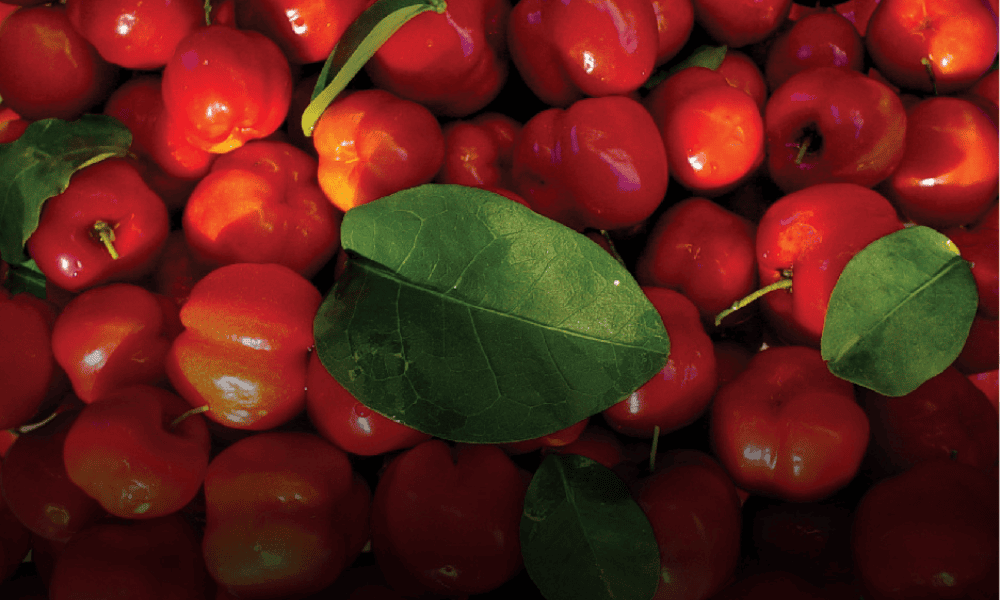
Acerola (Malpighia emarginata) has a well-established reputation for exceptionally high vitamin C content and antioxidant potential. When processed into stable powder formats, acerola becomes far more than a source of micronutrients: it transforms into a versatile and functional ingredient for clean label product development across multiple categories. Our acerola powders concentrate the fruit’s bioactives while dramatically extending shelf-life and enabling easier dosing in powdered, beverage, nutritional, and snack applications. Nutrient density and bioactive functionality The exceptional nutrient profile of acerola is confirmed by scientific evidence. Beyond its high ascorbic acid (vitamin C) levels – which in some varieties exceed all the other traditional sources – acerola also contains a broad range of polyphenols and flavonoids with demonstrated antioxidant activity. Research indicates that acerola polyphenols can enhance cellular vitamin C uptake via mechanisms that increase the expression of transporters involved in ascorbic acid absorption. This suggests that acerola’s bioactives can influence not only nutrient content but also nutrient bioefficacy, a valuable consideration for product developers targeting functional health claims. Technological and functional advantages in formulations Transitioning from fruit to powder offers clear formulation benefits: Improved stability: powder formats preserve sensitive compounds such as ascorbic acid and phenolic compounds while reducing moisture-driven degradation. Clean label positioning: acerola powder is a more convenient alternative to synthetic ascorbic acid and other additives, aligning with consumer expectations for recognizable ingredient lists. Versatility: powdered acerola can be incorporated into beverages, powders, bars, dairy alternatives, and nutrition blends without significantly altering sensory profiles. Functional performance: its antioxidant profile – supported by anthocyanins and other phenolics – contributes antioxidant value while supporting product stability during processing and storage. Opportunities for innovation in product development For formulators, acerola powder is not just an ingredient – it is a tool for innovation across categories: Functional beverages: natural vitamin C enrichment with minimal impact on flavor. Nutritional powders and mixes: boosting micronutrient density and antioxidant activity. Snack formulations: adding functional value while maintaining clean label claims. Baking: acerola powder can replace synthetic ascorbic acid in dough enhancement applications. Meat preservative: natural vitamin C has antioxidant properties that extend the shelf-life of fresh meat products such as burgers and sausages. Such qualities make powdered acerola a compelling choice in an era where consumers and brands increasingly value transparency, efficacy, and multifunctional ingredients. References 1) Campos, F. M., et al. (2016). Phenolic compounds in acerola fruit and by-products: profile and biological properties. *Journal of Food Measurement and Characterization*, 10, 421–430. https://doi.org/10.1007/s11694-023-02175-1 2) Kim, Y., et al. (2018). Polyphenols as modulators of GLP-1 secretion. *Nutrients*, 10(9), 1131. https://doi.org/10.3390/nu10091131 3) Morimoto, Y., et al. (2020). Acerola (*Malpighia emarginata*) promotes ascorbic acid uptake via SVCT1. *Journal of Nutritional Science and Vitaminology (Tokyo)*, 66(4), 287–295. https://doi.org/10.3177/jnsv.66.296 4) Scalbert, A., et al. (2005). Dietary polyphenols and the prevention of diseases. *Critical Reviews in Food Science and Nutrition*, 45(4), 287–306. https://doi.org/10.1080/1040869059096 5) Liu, R. H. (2003). Health benefits of fruit and vegetables are from additive and synergistic combinations of phytochemicals. *American Journal of Clinical Nutrition*, 78(3), 517S–520S. https://doi.org/10.1093/ajcn/78.3.517S

Why acerola powder matters in modern formulations Read More »

Spray drying vs freeze drying: how this impacts açai powder performance

Fruit powders can appear similar on a specification sheet, yet the drying technology used during production significantly influences their performance in formulation. We will use açai (Euterpe oleracea), known for its intense pigmentation and lipid content, as an example to explain the impact of spray-drying or freeze-drying in the final fruit powder. The choice between these two technologies affects composition, hygroscopicity, sensory retention, dispersibility, and final application behavior. What happens during spray-drying? Spray-drying converts fruit pulp or juice into powder by atomizing the liquid feed into a stream of heated air. Water evaporates rapidly, and dry particles are collected in a continuous industrial process. Because açai pulp contains sugars and lipids that can create stickiness during drying, carrier agents such as maltodextrin are frequently used to stabilize the process and improve powder formation. As a result, spray-dried açai powder often contains additional ingredients beyond the fruit itself. The presence and proportion of these carriers influence flavor intensity, color density, and powder behavior in formulation. From an industrial perspective, spray-drying offers advantages in scalability, batch-to-batch consistency, and cost efficiency. How does freeze-drying differ? Freeze-drying, also known as lyophilization, removes water through sublimation at low temperature and reduced pressure. Because the process avoids high heat exposure, it is generally associated with better preservation of heat-sensitive compounds such as anthocyanins and volatile aroma components. In the case of açai, this may translate into deeper color retention and more pronounced sensory characteristics. Freeze-dried powders typically contain a higher proportion of pure fruit solids, as carrier agents are not inherently required for structural stabilization during the process. However, freeze-drying is slower and more energy-intensive, which can influence production cost and scalability. How do carrier ingredients influence the final product? One of the most relevant formulation considerations is the presence of carrier agents in spray-dried powders. These ingredients are added to improve drying efficiency and powder stability, but they dilute the concentration of fruit solids in the final material. This dilution can affect: Color intensity in beverage applications Flavor strength per gram of powder Nutritional density per serving Label positioning, depending on formulation strategy Understanding the ratio between fruit solids and carrier agents is essential when evaluating specification sheets. What about hygroscopicity and storage behavior? Açai powders, like many fruit powders, are inherently hygroscopic due to their sugar composition. Hygroscopicity influences caking tendency, flowability, and packaging requirements. How are aroma, color, and flavor affected? Freeze-drying is frequently associated with stronger retention of anthocyanins and aroma compounds due to its low-temperature processing conditions. This may result in more intense purple coloration and closer resemblance to fresh fruit characteristics. Spray-drying, involving exposure to heated air, can lead to partial degradation or transformation of volatile compounds. While this does not eliminate functional performance, it can slightly alter the sensory profile of the powder. The impact becomes particularly relevant in premium beverage formulations or applications where visual intensity is central to product positioning. Which method performs better in beverage applications? Dispersibility and solubility are practical considerations for beverage systems. Spray-dried powders often disperse more easily in water because carrier agents improve wettability and reduce clumping. Particle morphology tends to be more uniform, which can facilitate reconstitution. Freeze-dried powders may require additional milling or agglomeration to optimize dispersibility, depending on the desired application. The appropriate choice depends on whether the priority lies in sensory intensity or ease of processing and reconstitution. Final considerations The decision of which açai powder to use should be guided by formulation goals, sensory expectations, processing constraints, and labeling strategy. For açai powder applications, key variables to evaluate include: Presence and percentage of carrier ingredients Target sensory intensity Moisture sensitivity and packaging strategy Required dispersibility in beverage systems Cost and scalability considerations Understanding how drying technology shapes powder behavior allows for more informed ingredient selection and better alignment between technical performance and product positioning. References 1) Shishir M, Chen W. A critical review on drying of fruit and vegetable juices. Trends in food science & technology. 2017;65:49–67. https://doi.org/10.1016/j.tifs.2017.05.006 2) Garofulić IE, Dragović-Uzelac V, Režek Jambrak A, Jukić M. Optimization of sour cherry juice spray drying as affected by carrier material and process parameters. Foods. 2016;5(2):28. https://doi.org/10.3390/foods5020028 3) Etzbach L, Pfeiffer A, Weber F, Schieber A. Effects of carrier agents on powder properties and stability of phytochemicals in spray-dried plant products. Current research in food science. 2020;3:57–71. https://doi.org/10.1016/j.crfs.2020.03.001 4) Shuen GW, Yu HH, Chang YJ. Effects of drying methods on physicochemical properties of fruit powders. Brazilian journal of food technology. 2021;24:e2020183. https://doi.org/10.1590/1981-6723.08620 5) Li S, Wang Y, Zhang L, et al. Comparative analysis of drying methods on volatile compounds and quality attributes in fruit powders. Foods. 2023;12(13):2496. https://doi.org/10.3390/foods12132496

Spray drying vs freeze drying: how this impacts açai powder performance Read More »

Unlocking GLP-1 potential through targeted nutrition and natural bioactives

In today’s competitive metabolic health landscape, GLP-1 has emerged as a cornerstone pathway for innovation in diabetes, weight management, and cardiometabolic solutions. As a key incretin hormone, GLP-1 supports glucose-dependent insulin secretion, appetite regulation, and gastrointestinal control – outcomes that directly align with growing market demand for effective, science-backed metabolic interventions. This has positioned GLP-1 not only as a clinical target, but as a strategic driver for differentiated product development across pharmaceutical, nutraceutical, and functional food sectors. While pharmaceutical GLP-1 receptor agonists have demonstrated strong efficacy¹,², natural, dietary GLP-1 modulation represents a complementary and scalable opportunity. Dietary fibers, resistant starches, and selected fatty acids can stimulate endogenous GLP-1 secretion since they can be fermented by the gut microbiota giving rise to short-chain fatty acids (SCFAs), particularly acetate and propionate. These SCFAs activate some receptors on enteroendocrine cells, leading to increased GLP-1 secretion and improved metabolic signaling³,4 . These mechanisms enable companies to leverage the gut–metabolism axis, supporting metabolic benefits through nutrition-based solutions with strong consumer acceptance and long-term adherence potential. Moreover, plant-derived bioactive compounds – including polyphenols such as flavonoids, and catechins – have gained traction as natural GLP-1 enhancers5. These compounds may stimulate GLP-1 secretion, reduce enzymatic degradation, or enhance receptor signaling6, offering multiple points of differentiation for ingredient portfolios. For B2B stakeholders, this creates opportunities to develop value-added formulations that combine efficacy, clean-label positioning, and regulatory-friendly profiles, addressing the growing demand for evidence-based metabolic health products. Q&A Q1: Why is GLP-1 modulation relevant for B2B innovation today? GLP-1 sits at the center of glucose control, appetite regulation, and weight management – making it a highly attractive biological pathway for developing differentiated metabolic health solutions across multiple markets. Q2: How do natural GLP-1 modulators create commercial value? They enable scalable, nutrition-based solutions with strong consumer acceptance, regulatory flexibility, and the potential to complement pharmaceutical therapies. Q3: Which industries can benefit most from natural GLP-1 strategies? Nutraceutical brands, functional food developers, and ingredient suppliers focused on metabolic, weight, and cardiometabolic health. References 1) Holst, J. J. (2007). The physiology of glucagon-like peptide 1. Physiological Reviews, 87(4), 1409–1439. 2) Nauck, M. A., & Meier, J. J. (2019). Incretin hormones: Their role in health and disease. Diabetes, Obesity and Metabolism, 21(S1), 5–21. 3) Tolhurst, G. et al. (2012). Short-chain fatty acids stimulate glucagon-like peptide-1 secretion via the G-protein–coupled receptor FFAR2. Diabetes, 61(2), 364–371. 4) Canfora, E. E., Jocken, J. W., & Blaak, E. E. (2015). Short-chain fatty acids in control of body weight and insulin sensitivity. Nature Reviews Endocrinology, 11(10), 577–591. 5) Hanhineva, K. et al. (2010). Impact of dietary polyphenols on carbohydrate metabolism. International Journal of Molecular Sciences, 11(4), 1365–1402. 6) Kim, Y. et al. (2018). Polyphenols as modulators of GLP-1 secretion. Nutrients, 10(9), 1131.

Unlocking GLP-1 potential through targeted nutrition and natural bioactives Read More »

Nutrition and sleep quality: the role of melatonin and tryptophan

Sleep is a fundamental biological process essential for physical health, cognitive function, and emotional regulation, yet its quality is increasingly compromised in modern societies. Lifestyle factors, including diet, have emerged as important modulators of sleep quality. For example, it is known that heavy meals just before bedtime can disrupt sleep, leading to nocturnal awakenings and waking up feeling like we haven’t rested properly¹. Growing scientific evidence indicates that what individuals eat during the day can influence sleep onset, duration, and efficiency through complex interactions with metabolic pathways, hormonal secretion, and neurotransmitter activity. Understanding the relationship between food consumption and sleep quality is therefore crucial for developing nutritional strategies aimed at improving sleep and promoting overall health. Diets rich in fruits, vegetables, whole grains, and lean proteins have been consistently associated with better sleep quality, while poor dietary patterns characterized by high energy density and low nutrient quality are linked to sleep disturbances¹,². Several studies have analyzed the influence of certain foods in promoting better sleep. A study from the American Journal of Therapeutics, for example, found that cherry juice increased sleep time and efficiency probably through the increases in tryptophan availability³. Similar results were found with kiwi fruit consumption, also associated with a significant reduction in the number of awakenings after sleep onset4. In addition, micronutrients such as magnesium, zinc, calcium, and B-complex vitamins are critical for optimal sleep quality due to their roles in neural signaling and melatonin production.  What roles do melatonin and tryptophan play in our sleep? Melatonin regulates our circadian rhythm, including sleep and wake cycle. Normally, our bodies produce more of it at the end of the day in response to darkness, signaling that it is time to initiate sleep. But in addition to that, we can also obtain it through food like eggs, fish, nuts and seeds5. Foods rich in tryptophan also help regulate sleep, as it serves as the essential amino acid precursor for melatonin synthesis. Dietary tryptophan is first converted into serotonin in the brain, then, in the pineal gland, undergoes chemical modifications giving rise to melatonin, particularly during periods of darkness. Adequate intake of tryptophan-rich foods, such as dairy products, eggs, nuts, seeds, and legumes, supports this metabolic pathway and contributes to the regulation of circadian rhythms and sleep onset5. All together suggest that promoting healthy eating habits may represent an effective, non-pharmacological strategy to support sleep quality and overall health. For more information: https://www.bbc.com/future/article/20250822-the-best-foods-to-help-you-sleep-better References 1) Chung, N., Bin, Y. S., Cistulli, P. A., & Chow, C. M. (2020). Does the Proximity of Meals to Bedtime Influence the Sleep of Young Adults? A Cross-Sectional Survey of University Students. International Journal of Environmental Research and Public Health, 17(8), 2677. https://doi.org/10.3390/ijerph17082677 2) St-Onge, M. P., Mikic, A., & Pietrolungo, C. E. (2016). Effects of diet on sleep quality. Advances in Nutrition, 7(5), 938–949. 3) Losso, J. N., Finley, J. W., Karki, N., Liu, A. G., Prudente, A., Tipton, R., Yu, Y., & Greenway, F. L. (2018). Pilot Study of the Tart Cherry Juice for the Treatment of Insomnia and Investigation of Mechanisms. American journal of therapeutics, 25(2), e194–e201. https://doi.org/10.1097/MJT.0000000000000584 4) Doherty, et al. (2023). The Impact of Kiwifruit Consumption on the Sleep and Recovery of Elite Athletes. Nutrients, 15(10), 2274. https://doi.org/10.3390/nu15102274 5) Peuhkuri, et al. (2012). Diet promotes sleep duration and quality. Nutrition Research, 32(5), 309–319.

Nutrition and sleep quality: the role of melatonin and tryptophan Read More »

Fruit powders overview: technical insights beyond basic use

Fruit powders are widely used in food and beverage formulations, often associated with basic applications such as flavoring, color contribution and nutritional enrichment. However, scientific literature shows that their functionality goes beyond these primary roles and is strongly influenced by processing conditions, carrier systems and physical properties. Understanding these technical aspects is essential for product developers and formulation teams seeking consistent performance, stability and sensory quality in their products. Which processing technologies are commonly used to produce fruit powders? Spray drying is one of the most widely applied technologies for producing fruit powders due to its scalability and ability to convert liquid fruit-based systems into stable, free-flowing powders. Key processing variables such as inlet temperature, atomization, and drying rate directly affect: moisture content particle morphology bulk density solubility retention of volatile and non-volatile compounds These parameters determine how fruit powders behave during reconstitution and further processing. How do carrier agents influence powder functionality? Carrier agents, such as maltodextrins, gums and other polysaccharides, are frequently used during spray drying to improve powder stability and process efficiency. Literature reports that carrier selection influences: hygroscopicity flowability protection of sensitive compounds dispersion and dissolution behavior The ratio between fruit solids and carrier material plays a critical role in achieving powders with adequate stability and handling properties. How do particle characteristics affect reconstitution behavior? Particle size distribution and surface structure are key factors governing the interaction between fruit powders and water. Studies indicate that: smaller particles generally present higher surface area, favoring faster wetting and dissolution particle porosity influences water penetration agglomeration state affects flow and dispersibility These properties are particularly relevant in applications such as instant beverages, dry mixes and nutritional formulations. Why is stability an important consideration in fruit powder applications? Fruit powders contain sugars, organic acids and bioactive compounds that can be sensitive to moisture and temperature. Studies show that stability is influenced by: water activity amorphous versus crystalline structure storage temperature packaging conditions Controlling these factors is essential to prevent caking, stickiness, loss of solubility and degradation of functional components. How do these factors go beyond basic use? Beyond providing flavor or color, fruit powders can play technical roles related to: structure building in dry systems control of rehydration kinetics modulation of sensory release contribution to formulation stability A technical understanding of processing, carrier systems and physical properties allows formulation teams to optimize ingredient performance according to specific application requirements. References 1) Arpagaus C, Defraeye T, Píštěková K, Candau Y. Powdered plant beverages obtained by spray-drying: current understanding of process, carrier agents and properties of reconstituted systems. Foods. 2021;10(11):2669. https://doi.org/10.3390/foods10112669 2) Gharsallaoui A, Roudaut G, Chambin O, Voilley A, Saurel R. Applications of spray-drying in microencapsulation of food ingredients: An overview. Food Research International. 2007;40(9):1107–1121. https://doi.org/10.1016/j.foodres.2007.07.004 3) Fazaeli M, Emam-Djomeh Z, Kalbasi-Ashtari A, Omid M. Effect of spray drying conditions and feed composition on the physical properties of black mulberry juice powder. Food and Bioproducts Processing. 2012;90(4):667–675. https://doi.org/10.1016/j.fbp.2012.04.006 4) Tonon RV, Brabet C, Hubinger MD. Influence of process conditions on the physicochemical properties of açaí (Euterpe oleraceae Mart.) powder produced by spray drying. Journal of Food Engineering. 2008;88(3):411–418. https://doi.org/10.1016/j.jfoodeng.2008.02.029

Fruit powders overview: technical insights beyond basic use Read More »

Polyphenols and their prebiotic-like effect

Currently, the main products sold for modulating the gut microbiota are dietary fiber, such as inulin and fructooligosaccharides (FOS). However, other classes of substances, such as phenolic compounds, have been identified as potential products with prebiotic-like activity¹. This activity occurs mainly because of phenolic compounds ability to interact with the gut microbiota, leading to microbiota modulation and consequent production of metabolites of interest1,2. Phenolic compounds, substances that occur naturally in plants, are secondary metabolites widely studied for their antioxidant properties, being linked to the prevention and treatment of various chronic diseases¹. Additionally, they are increasingly associated with the development of a healthy gut microbiota². They can be divided into several classes, with flavonoids and stilbenes being the best known. The flavonoids, which include isoflavones, anthocyanins, anthocyanidins, proanthocyanidins, and catechins, can be found in citric fruits (orange, lemons), vegetables (onion, kale), red wine, soy and teas (green and black tea) in both aglycone and glycosylated forms (with sugar molecules attached to the phenolic structures)³. In the case of stilbenes, the main representative is resveratrol, found mainly in red wine and peanuts and widely studied for its antioxidant and anticancer properties³. In general, phenolic compounds have low bioavailability, i.e. only a small fraction reaches the systemic circulation and is available to produce a biological effect in the body. However, they can undergo extensive metabolism in the large intestine, favoring interaction with intestinal microorganisms². It is now known that phenolic compounds modulate the intestinal microbiota and, at the same time, the microbiota itself also modulates the activity of phenolic compounds, transforming this interaction into a two-way street². The glycosylated forms are broken down in the gut, releasing sugar fragments that can be fermented by gut microbiota, and complex structures can be broken down, releasing their monomers, increasing bioavailability and altering their activity4. Based on that, phenolic compounds, as well as their metabolites, can modify and produce variations in the bacterial community by exhibiting prebiotic (“prebiotic-like”) effects and antimicrobial activity against intestinal pathogens being an interesting product for intestinal health5. Several products in our portfolio are rich in phenolic compounds. Contact one of our consultants today to learn more and discuss the best options for your formulations. References Sanders, M.E., et al. (2019). Probiotics and prebiotics in intestinal health and disease: from biology to the clinic. Nat Rev Gastroenterol Hepatol. 16(10), 605-616. doi: 10.1038/s41575-019-0173-3 Alves-Santos, A.M., et al. (2020). Prebiotic effect of dietary polyphenols: A systematic review. Journal of Functional Foods, 74, e104169. https://doi.org/10.1016/j.jff.2020.104169 Niedzwiecki, A., et al. (2016). Anticancer Efficacy of Polyphenols and Their Combinations. Nutrients. 8(9), e552. doi: 10.3390/nu8090552 Shortt, C., et al. (2018). Systematic review of the effects of the intestinal microbiota on selected nutrients and non-nutrients. Eur J Nutr. 57(1), 25-49. doi: 10.1007/s00394-017-1546-4 Tzounis, X., et al. (2011). Prebiotic evaluation of cocoa-derived flavanols in healthy humans by using a randomized, controlled, double-blind, crossover intervention study. Am J Clin Nutr. 93(1), 62-72. doi: 10.3945/ajcn.110.000075

Polyphenols and their prebiotic-like effect Read More »

Guarana, yerba mate, and guayusa: the new generation of natural energy

As consumer demand shifts toward clean-label and plant-based stimulants, a new generation of natural energy sources is gaining prominence. Our portfolio of exotic botanical extracts includes guarana, yerba mate and guayusa. They stand out for their rich bioactive profiles, combining xanthines, polyphenols, and antioxidant compounds that support both performance and metabolic wellness. Understanding their mechanisms, stability factors, and formulation potential enables developers to create more effective and responsible energy products. Although guarana, yerba mate, and guayusa share similarities, each plant delivers a distinct combination of bioactive compounds. In this article we explore the differences among them in terms of caffeine levels and compare them to coffee, one of the most consumed beverages in the world. Caffeine, a compound of the methylxanthine class, is a central nervous system stimulant present in several beverages and foods that are part of our daily lives. It can occur naturally, for example in coffee and yerba mate or it can be added to products, as in energy drinks and soft drinks, making it one of the most psychoactive stimulants consumed in the world. Although present in several plants and extracts, its levels can vary, reflecting differences in plant metabolism, species-specific metabolic pathways, and processing methods. Coffee brews are one of the most popular drinks worldwide, being largely consumed for their stimulant properties. Depending on variety, it can be a high source of caffeine (1.4% – 3.2% in dry weight)1 that contributes to coffee’s strong stimulant profile and its prevalence as a primary dietary source of methylxanthines worldwide. Even though it is less consumed, guarana (Paullinia cupana), native to the Amazon rainforest, contains one of the highest natural concentrations of caffeine (2.5% to 8.0% in dry weight) with a chemical profile also rich in phenolic compounds like theobromine, catechins and tannins.2 The tannins help to slow the release of caffeine into the bloodstream, resulting in a more prolonged stimulatory effect.3 This unique pharmacokinetic behavior has led to the widespread incorporation of guarana extract into energy drinks and fatigue-reducing supplements. Yerba mate (Ilex paraguariensis), in turn, presents a more moderate caffeine profile, typically containing 0.3% to 1.8% of caffeine in dry weight4, and balanced levels of theobromine and theophylline. While less potent in caffeine content than coffee or guarana, yerba mate is often consumed in larger volumes, resulting in a cumulative stimulant effect that users perceive as smoother and more sustained. Guayusa (Ilex guayusa), a lesser-known Amazonian species of the genus Ilex (same as yerba mate), contains caffeine levels higher than yerba mate (1.9% – 7.5% in dry weight), potentially reaching levels found in guarana.5 Its chemical profile also includes relatively high concentrations of chlorogenic acids and amino acids such as L-theanine, contributing to a stimulatory effect often described as “balanced” or “focused.” How can formulators use these ingredients effectively? All our extracts can be used in pre-workout formulations, cognitive and focus blends, RTD functional beverages and natural energy shots. Thanks to their chlorogenic acids, catechins, and tannins, these botanicals can also be used in antioxidant-focused products, aiming oxidative-stress reduction, metabolic balance and cardiovascular health. In the sensory aspect, yerba mate can provide herbal, earthy notes, while guarana can offer subtle astringency; guayusa, in turn, can deliver smooth, neutral profiles that blend well with fruits. This creates opportunities for customized sensory profiles in beverage and supplement development. In conclusion, guarana, yerba mate, and guayusa represent a powerful evolution in natural energy ingredients. Their unique combinations of xanthines, antioxidants, and functional compounds allow formulators to design products that deliver balanced stimulation, clean-label appeal, and plant-based performance Contact our technical team to discuss opportunities with guarana, yerba mate and guayusa and elevate your brand with a plant-based, performance-driven ingredient. References Olechno E, Puścion-Jakubik A, Zujko ME, Socha K. Influence of Various Factors on Caffeine Content in Coffee Brews. Foods. 2021;10(6):1208. doi: 10.3390/foods10061208. da Silva Junior ALS, Nascimento MM, Santos HM, Lôbo IP, de Oliveira RA, de Jesus RM. Methylxanthine and Flavonoid Contents from Guarana Seeds (Paullinia cupana): Comparison of Different Drying Techniques and Effects of UV Radiation. Int J Food Sci. 2024; 2024:7310510. doi: 10.1155/2024/7310510. Smith N, Atroch AL. Guaraná’s Journey from Regional Tonic to Aphrodisiac and Global Energy Drink. Evid Based Complement Alternat Med. 2010; 7(3):279-82. doi: 10.1093/ecam/nem162. Palavicini SMS, Puton BMS, Jacques RA, Valduga E, Backes GT, Paroul N, Steffens C, Cansian RL. Bioactive Compounds of Ilex paraguariensis: A Critical Update on Extraction, Gastrointestinal Stability, and Technological Applications. J Food Sci. 2025; 90(11):e70679. doi: 10.1111/1750-3841.70679. Noriega P, Moreno E, Falcón A, Quishpe V, Noriega PC. Guayusa (Ilex guayusa Loes.) Ancestral Plant of Ecuador: History, Traditional Uses, Chemistry, Biological Activity, and Potential Industrial Uses. Molecules. 2025; 30, 2837. doi: 10.3390/molecules30132837  

Guarana, yerba mate, and guayusa: the new generation of natural energy Read More »

Functional powder design: flowability, solubility, and fiber content in industrial fruit powders

Functional fruit powders are essential ingredients for food and supplement formulations, providing nutritional benefits, color, and flavor. To ensure high-quality products, it is critical to understand how powder properties—such as flowability, solubility, and fiber content—interact with different matrices, including aqueous beverages, dry mixes, supplements, yogurts, and frozen products. How do flowability and solubility affect fruit powder performance? Flowability refers to the ease with which a powder moves under applied stress, impacting handling, dosing, and processing efficiency. Poor flow can result in uneven mixing, blockages in equipment, and inconsistent product quality. Solubility affects how well a powder disperses or dissolves in a given matrix. High solubility ensures smooth texture, uniform distribution of nutrients, and consistent flavor in beverages or dairy products. Factors such as particle size, moisture content, and the presence of carrier agents (e.g., maltodextrin or gum arabic) significantly influence both flowability and solubility. What role does fiber content play in functional powders? Dietary fiber is a key component in functional powders, contributing to nutritional value, texture, and water-binding capacity. However, high fiber content can increase viscosity, alter mouthfeel, and affect solubility. Formulators must carefully balance fiber content to preserve desired sensory and functional properties across different product types. How can industrial fruit powders be optimized for different matrices? Aqueous beverages: Powders must dissolve readily without clumping and maintain stability throughout shelf life. Anti-caking agents and optimized particle size distribution can enhance dispersion. Dry mixes: Excellent flowability is critical for blending accuracy. Carrier agents and proper milling techniques help maintain consistent powder movement. Supplements: Stability of bioactive compounds is essential. Microencapsulation or co-processing with protective carriers can preserve functionality and allow controlled release. Yogurts and dairy products: Powders must rehydrate efficiently, interact compatibly with proteins, and not induce phase separation. Conclusion Optimizing flowability, solubility, and fiber content is essential for the successful application of industrial fruit powders in a wide range of matrices. By carefully selecting carrier agents, controlling particle properties, and employing suitable drying and storage techniques, formulators can ensure consistent quality, functionality, and consumer satisfaction in their products. References https://www.nature.com/articles/s41598-025-19707-y?utm_source=chatgpt.com#article-info https://www.mdpi.com/2073-4360/17/6/801 https://www.sciencedirect.com/science/article/abs/pii/S0924224403001900?via%3Dihub http://www.ijfe.org/index.php?m=content&c=index&a=show&catid=127&id=575

Functional powder design: flowability, solubility, and fiber content in industrial fruit powders Read More »

Best practices for packaging, storage, and formulation

Ensuring the stability and shelf life of fruit powders is essential for maintaining their quality and efficacy. Understanding the factors influencing these parameters allows formulators to optimize their food products. What factors affect the physical stability of fruit powders? The hygroscopicity of fruit powders is a primary factor affecting their physical stability. Moisture absorption can lead to clumping, loss of flowability, and degradation of bioactive compounds. Water activity (aw) serves as a critical indicator; higher values may indicate increased risk of microbial growth and product deterioration. How do carriers influence stability? Incorporating carrier agents is an effective strategy to reduce hygroscopicity and enhance the stability of fruit powders. Studies have shown that carriers such as maltodextrin can significantly improve encapsulation efficiency and preserve bioactive compounds. What are the best practices for storage and packaging? To maintain the quality of fruit powders, it is crucial to store them in cool, dry, and dark environments. Packaging should be hermetic and resistant to moisture, utilizing materials that protect against water absorption and light, hence preventing product degradation. Conclusion Combining appropriate formulation strategies, such as the use of carrier agents, with proper packaging and effective storage is vital to ensure the physical stability and shelf life of fruit powders. These approaches not only preserve product quality but also meet consumer expectations for functional and safe solutions. References: https://doi.org/10.12688/f1000research.138509.1

Best practices for packaging, storage, and formulation Read More »