
Verum Ingredients

Do you know the difference between Freeze-drying and Spray-drying? And how those differences impact your choice of ingredient for a food formulation?

Freeze-drying is widely recognized in the industry as a method for preserving a wide range of formulations. It is a dehydration technology that consists of removing water through the sublimation process, that is, the direct transition from the solid phase to the gaseous phase, without passing through the liquid phase. The technique consists of freezing the sample, which is initially subjected to low atmospheric pressure (vacuum) so that the ice transforms directly into water vapor, known as primary sublimation (primary drying). In this step, unbound water is removed from the sample. Then, the second sublimation step, known as secondary drying, occurs, where chemically bound water is removed. Product temperatures in freeze-drying are generally below 0 °C in primary drying and 20-30 °C during secondary drying. Spray-drying is the process in which the liquid product is transformed into a dry powder in a single step. The solution (or slurry) is atomized into fine droplets that are quickly dried using hot air. The technique consists of subjecting the liquid to an atomization process (micro-droplets) that will be distributed in a drying chamber with a controlled flow of hot air. The micro-droplets produced by the atomization process are vaporized instantly when they encounter the hot air stream. On one hand, Spray-drying is generally a more economical alternative because of its continuous process and higher throughput due to much higher working temperatures. On the other hand, the high processing temperatures (80 °C) represents also a disadvantage as some nutrients will be degraded or lost during the Spray-drying process. Freeze-drying and spray-drying are both effective when used correctly, according to the technique and product profile. Cost is one of the major factors considered when choosing between techniques. Generally, spray-drying is a cheaper, faster, and more energy-efficient alternative, while the non-destructive nature of freeze-drying makes it the technique of choice for products that must retain original texture or full nutrient profile. A more practical distinction between these two drying technologies, when comparing fruit powders, is that spray-dried fruit powders will often have high percentages of carriers and processing aids such as maltodextrin, starches and/or gums. Freeze-dried fruit powders can be obtained without any of those added ingredients and, hence, are much more suitable for clean label formulations of food and beverages. In our portfolio, we have products obtained through both technologies, always seeking to meet the performance and cost expectations from our customers. Contact one of our consultants today to learn more and discuss the best options for your formulations and products.
Do you know the difference between Freeze-drying and Spray-drying? And how those differences impact your choice of ingredient for a food formulation? Read More »

Verum Ingredients receives new funding from Fapesp’s PIPE Program to boost R&D in prebiotic ingredients and botanical extracts

Verum Ingredients received a new grant from the Small Business Innovation Research Program (Programa PIPE) by Fapesp (Research Funding Agency of Sao Paulo) in Brazil. This prestigious, highly competitive grant will enable the increase of our R&D activities in the field of upcycled prebiotic ingredients and botanical extracts. The total financial support received from Fapesp adds up to over R$ 1,5 million (US$ 300,000). This is the third grant received from Fapesp. It reinforces the importance of Verum’s R&D program, which has been focusing on upcycling agricultural byproducts and botanical extracts as sources of functional food ingredients. Microbiome modulating ingredients is one of the fastest growing sales categories in the functional ingredients market and upcycled food is one of the strongest market trends in the food industry. High-volume agricultural supply chains in Brazil with large availability of byproducts are targeted on our R&D work that aims to develop and optimize industrial processes to produce upcycled prebiotic ingredients. In this current grant, we will develop formulations using dietary fibers and botanical extracts, expanding the spectrum of action of the developed product. In this project we continue our partnership with the PhytoPharmaTech – Laboratory of Phytomedicines, Pharmacology, and Biotechnology – of São Paulo State University (UNESP – Botucatu – SP – Brazil) under the coordination of Prof. Dr. Luiz Claudio Di Stasi. Read more about our second grant at https://verumingredients.com/news/our-prebiotic-rd-program-receives-further-financing-4/

Verum Ingredients receives new funding from Fapesp’s PIPE Program to boost R&D in prebiotic ingredients and botanical extracts Read More »

From functional to prebiotic: a dietary journey

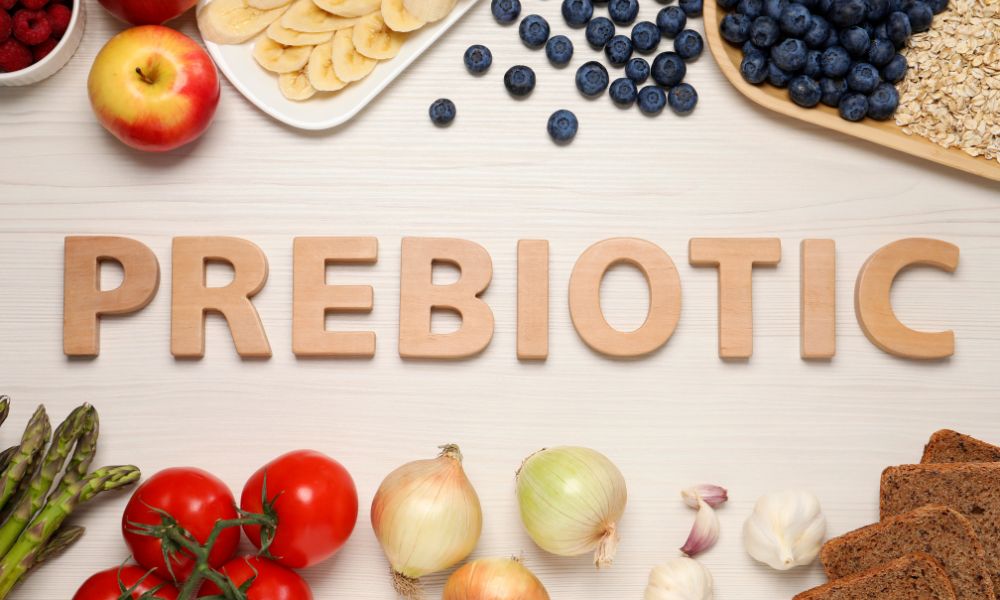
Functional foods is a term currently used to describe products that exhibit caloric survival characteristics and also improve organic functions or reduce the risk of diseases. Most often, the functional properties of an ingredient are related to the presence of bioactive compounds such as vitamins, terpenes, polyphenols like flavonoids, or dietary fibers that, once consumed, can perform antioxidant and/or anti-inflammatory activities or promote health improvement. Prebiotic ingredients typically refer to dietary fibers found in foods that can be considered functional ingredients due to their health benefits. These compounds cannot be digested by the human body but can be fermented by intestinal microbiota. Prebiotic compounds promote the growth of beneficial bacteria in the gut, and through this process, intestinal microbiota produces many metabolites that are essential for human health. These metabolites can aid in intestinal integrity, the development and modulation of the immune system, sleep regulation, and a wide range of other organic functions. Some polyphenols found in fruits and vegetables, for example, can also help shape intestinal microbiota and modulate the production of beneficial metabolites in a similar way to prebiotics. Fruits, grains, and vegetables in combination with plant-based products can represent an important source of bioactive compounds such as fibers and polyphenols, which contribute to health integrity, and their consumption is recommended. Additionally, the consumption of prebiotic and prebiotic-like products is often associated with a reduced risk of non-communicable diseases, in addition to offering gastrointestinal benefits and helping to maintain intestinal microbiota integrity. In our R&D program, Verum Ingredients investigates and develops plant-based prebiotic compounds that can be used to support health maintenance.

From functional to prebiotic: a dietary journey Read More »

MicroRNAs in inflammatory bowel disease: what do we know and what can we expect?

New editorial from our research group. Over the last decade, several preclinical and clinical studies correlating Inflammatory Bowel Disease and microRNAs have contributed to a better understanding of this disease and helped in the search for new diagnostic markers and/or more accurate therapeutic targets. What do we know, and what can we expect?   Introduction Inflammatory Bowel Disease (IBD) encompasses a group of chronic inflammatory conditions of the gastrointestinal tract, including Crohn’s disease and ulcerative colitis. Despite significant advancements in understanding these diseases, the exact mechanisms driving inflammation remain elusive. Recent research has turned its focus to microRNAs (miRNAs), small non-coding RNAs that regulate gene expression, as potential key players in IBD pathogenesis.   The Role of microRNAs in IBD MiRNAs are involved in various cellular processes, including inflammation, immune response, and epithelial barrier function—all critical factors in IBD. Studies have identified specific miRNAs that are dysregulated in IBD patients, suggesting their role as biomarkers for diagnosis and targets for therapy. For instance, miR-21 and miR-155 are often upregulated in IBD, contributing to the inflammatory process.   Advances in MicroRNA Research Diagnostic Markers: miRNAs are detectable in blood, stool, and tissues, making them accessible biomarkers. Research has shown that certain miRNA profiles can differentiate between Crohn’s disease and ulcerative colitis, as well as between active and remission phases of the disease. Therapeutic Targets: By modulating miRNA levels, it might be possible to alter disease progression. Antagomirs (anti-miRNA oligonucleotides) and miRNA mimics are being investigated as therapeutic tools to restore normal miRNA function and reduce inflammation. Future Perspectives The potential of miRNAs in IBD management is vast. Ongoing research aims to develop miRNA-based diagnostic tests and treatments that are more specific and less invasive than current methods. Personalized medicine, tailored to an individual’s miRNA profile, could become a reality, improving outcomes for IBD patients. Conclusion The exploration of miRNAs in IBD offers promising avenues for diagnosis and treatment. While challenges remain, the strides made in understanding their role in disease pathogenesis are encouraging. Continued research will undoubtedly shed more light on the complex interplay between miRNAs and IBD, paving the way for innovative clinical applications. Interested in learning more about our services and products? Contact us today through the form below. References: -World Journal of Gastroenterology. 2024 Apr 28;30(16):2184-2190. doi: 10.3748/wjg.v30.i16.2184. -Biomedicines. 2024 Feb 12;12(2):422. doi: 10.3390/biomedicines12020422. -International Journal of Molecular Sciences. 2023 Apr 13;24(8):7176. doi: 10.3390/ijms24087176. -World Journal of Gastroenterology. 2021 Dec 7;27(45):7801-7812. doi: 10.3748/wjg.v27.i45.7801.

MicroRNAs in inflammatory bowel disease: what do we know and what can we expect? Read More »

How bioprospecting drives the creation of functional foods

Bioprospecting is a valuable tool to drive the development of functional foods capable of offering specific health benefits. Nutrition is recognized as one of the fundamental pillars for maintaining health. The quality of the foods we consume plays a crucial role in preventing chronic diseases such as obesity, diabetes, cardiovascular diseases, and even cancer. A balanced diet rich in nutrients is essential for proper body function, strengthening the immune system, and promoting overall well-being. Bioprospecting, is the systematic search for bioactive compounds in the natural environment such as plants, microorganisms, and other natural sources with the aim of developing products with potential benefits for human health. These compounds can be incorporated into functional foods, enhancing their nutritional and therapeutic value. In the development of functional foods, bioprospecting plays a crucial role in identifying bioactive compounds with antioxidant, anti-inflammatory, antimicrobial, and other properties. These compounds can be found in a variety of natural sources, from herbs and spices to seaweeds and probiotic microorganisms. A practical example of bioprospecting in the development of functional foods is the discovery of polyphenols in red berries, which have proven antioxidant and anti-inflammatory properties. Since then, these compounds have been incorporated into a variety of food products and supplements, offering additional benefits to cardiovascular and brain health. Bioprospecting has enabled the identification of specific probiotics, such as certain strains of lactic acid producing bacteria, which can improve gastrointestinal health and modulate the immune system. These beneficial microorganisms are often used in the production of yogurts and fermented milks, providing not only nutrition but also promoting intestinal microbiota balance. By choosing Verum Ingredients products, your consumers can have the peace of mind knowing that they are selecting food options that are not only delicious but also safe and nutritious. Contact us today through the form below and request a quote.

How bioprospecting drives the creation of functional foods Read More »

Ultra-processed foods and the growing Incidence of noncommunicable diseases

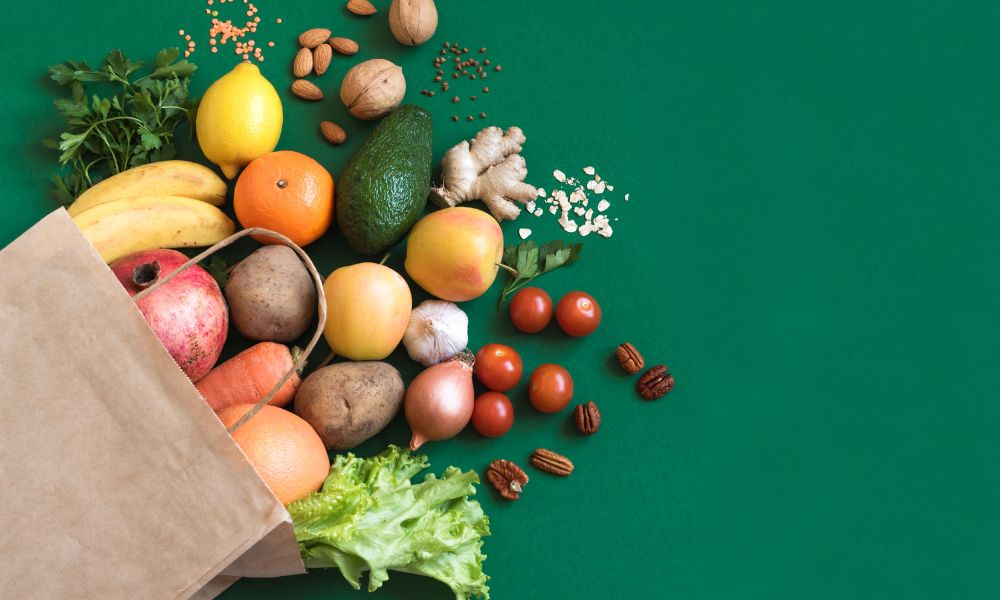
Ultra-processed foods, a classification proposed by the Food and Agriculture Organization of the United Nations, refers to several types of food defined as industrial food formulations based on oils, fats and carbohydrates and laboratory synthesized ingredients, such as ready-to-eat and frozen meals, soft drinks, cookies, snacks, and instant noodles. The increased consumption of these products is correlated with a higher incidence of the so called Chronic Non-communicable Diseases (NCDs). Chronic non-communicable diseases are multifactorial illnesses, associated with lifestyle and genetic factors, which develop over a long period of time and are not transmitted among people. Examples of NCDs are cardiovascular diseases, diabetes, intestinal inflammation and even obesity. It is known that the population growth and urbanization of countries have led to changes in dietary habits and the increase in the consumption of ultra-processed foods. These new eating patterns, also called the “Western Diet”, marked by the presence of processed foods in meals, lead to the consumption of large amounts of sodium, refined sugars, and fat, and, at the same time, low amounts of fiber and micronutrients. There has been also an association of this dietary pattern with a sedentary lifestyle. It is estimated that in the United States, 30% of the population’s ingested calories comes from foods rich in sugar, high in calories, poor in nutrients, with low bioavailability of vitamins and minerals such as calcium and magnesium. There has been a correlation of this dietary pattern and obesity and low-grade chronic inflammation. An additional proven consequence of the high consumption of ultra-processed foods is the alteration of the intestinal microbiota, leading to dysbiosis, an imbalance of good and bad bacteria in the intestine, that is also associated with the onset of the NCDs. Currently, it has been found the main strategy for reducing the incidence of NCDs is to increase the consumption of food that is fresh and rich in fiber and vitamins, while reducing the consumption of ultra-processed foods. Verum ingredients offers a portfolio of powdered fruits and botanical extracts that are rich in fiber, vitamins and minerals. Contact one of our consultants today through one of our channels to learn more about how to use our products to formulate healthy, clean label foods.

Ultra-processed foods and the growing Incidence of noncommunicable diseases Read More »

Organic foods an their benefits to health and environment

Organic foods an their benefits to health and environment

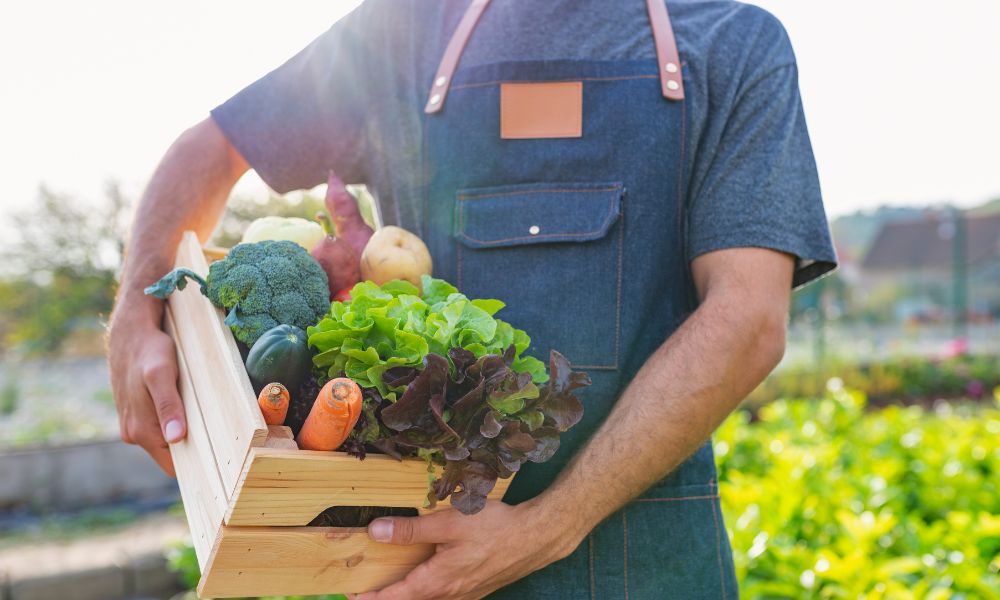
Organic foods are increasingly popular in the food industry. Acknowledged not only for their superior nutritional quality, but also for their positive social and environmental impacts. Organic food products are grown, produced, and processed according to the principles of organic agriculture, which prioritizes natural and sustainable cultivation methods. These foods are cultivated without the use of synthetic pesticides, chemical fertilizers, or genetically modified organisms (GMOs). Instead, organic farmers adopt techniques such as crop rotation, composting, and biological pest control to promote soil health, preserve biodiversity, and allow animal welfare. The term “organic food” is attributed to these products, suggesting their natural and sustainable cultivation, following established by organic farming practices, resulting in healthier, more nutritious, and environmentally responsible foods. When it comes to the role of organic foods in health and well-being, the list of benefits is vast. Scientific studies demonstrate that they have higher levels of essential nutrients, such as vitamins, minerals, and antioxidants, compared to conventionally grown produce, contributing to a more balanced diet and improved health. The consumption of organic foods has been associated with a reduced risk of chronic diseases such as cancer, heart disease, and diabetes, due to the absence of harmful chemicals and the occurrence of beneficial natural compounds. However, the benefits of organic foods are not limited to consumer health. By choosing organic foods, consumers support a fair and more sustainable agriculture that values local farmers, promotes food security, and preserves agricultural traditions. By favoring agricultural practices that respect the environment, organic foods help protect fragile ecosystems, conserve natural resources, and mitigate the impacts of climate change. Organic production methods aim to preserve ecosystem health by promoting biodiversity, soil conservation, and protection of water resources. By minimizing the use of chemical inputs and reducing pollution, the cultivation of organic foods is in line with global environmental conservation initiatives. At Verum Ingredients, we are committed to offering authentic and high-quality organic food ingredients to the most demanding customers. Our business decisions made considering the positive impacts of responsible wild harvesting and regenerative agriculture practices. We also work to deliver new, sustainable, and innovative ingredients to the market. In this sense, we contribute to a healthier and more sustainable food chain. Contact one of our consultants today through one of our channels and learn more about our products and services.

Organic foods an their benefits to health and environment Read More »

The potential of organic coffee products

The potential of organic coffee products

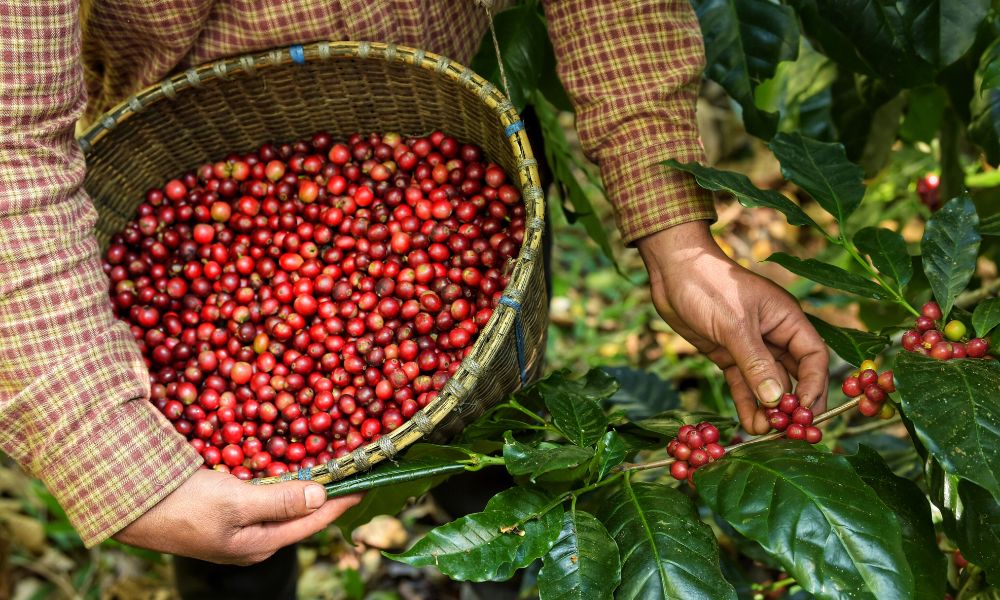
Coffee is one of the most enjoyed and consumed beverages worldwide due to its flavor and stimulating effects. Additionally, it serves as a morning ritual for many, providing a necessary boost to start the day. In its original form, coffee is the fruit of the Coffea plant, belonging to the Rubiaceae botanical family. The coffee tree produces a red berry, known as “coffee cherry,” which contains the seeds known as coffee beans. The seeds are removed from the fruit after harvesting and undergo a drying process, followed by roasting and grinding. Traditionally, the ground coffee obtained from the roasted coffee beans is the most used. More recently, there has been a growing interest in the coffee berry, in different stages of ripeness, with or without seeds, due to its flavor and nutritional profile. The coffee fruit has emerged as a new superfood that contains stimulants and antioxidants, with health-promoting properties, including anti-inflammatory effects and immune system support. In many regions of the world, there has been an increase in organic coffee cultivation, without the use of pesticides or synthetic fertilizers. As a result, a higher quality coffee is available in the market, while the sustainability of agricultural ecosystems and environmental conservation is ensured. The applications of organic coffee go beyond traditional brewing. It can be used in teas, energy drinks, flavored drinks, and sports drinks, offering various business opportunities to satisfy consumer preferences. Organic coffee has often more complex flavors and aromatic nuances, which makes it highly appreciated by consumers seeking superior quality. The organic coffee market is expanding to meet the growing demand for healthy and sustainable products. Based on data on global coffee production, countries like Brazil, Vietnam, and Colombia are the largest producers, accounting for approximately 56% of global production. At Verum Ingredients we recognize the importance of offering the market innovative food ingredients, that are also responsibly sourced. Our selection of nutrient-rich botanical food ingredients from South America reflects our commitment to quality, sustainability, and health. Want to learn more? Request a demonstration of our services and products today through one of our channels.

The potential of organic coffee products Read More »

The potential of organic coffee products

After all, do you know what superfoods are?

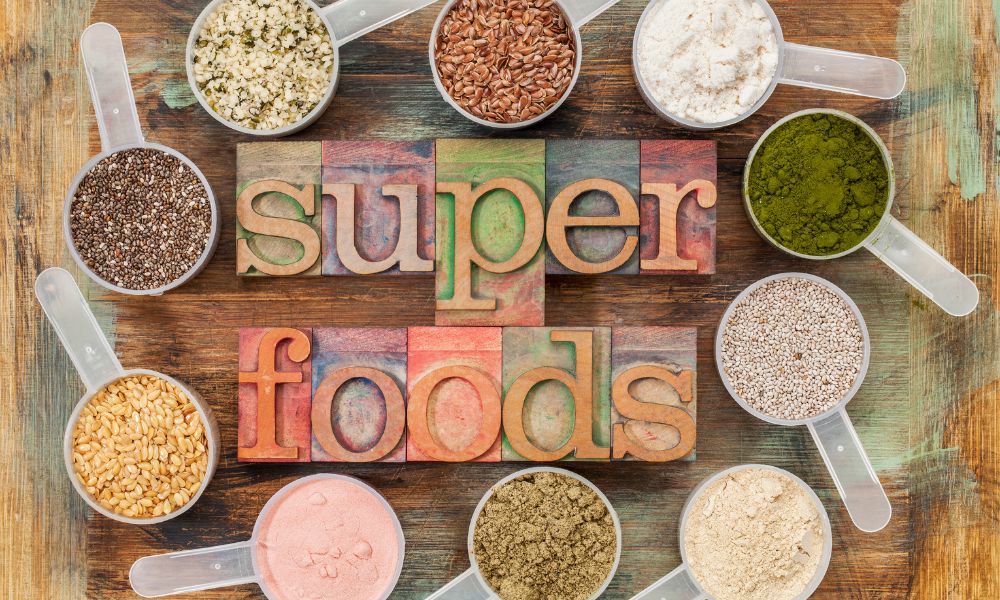
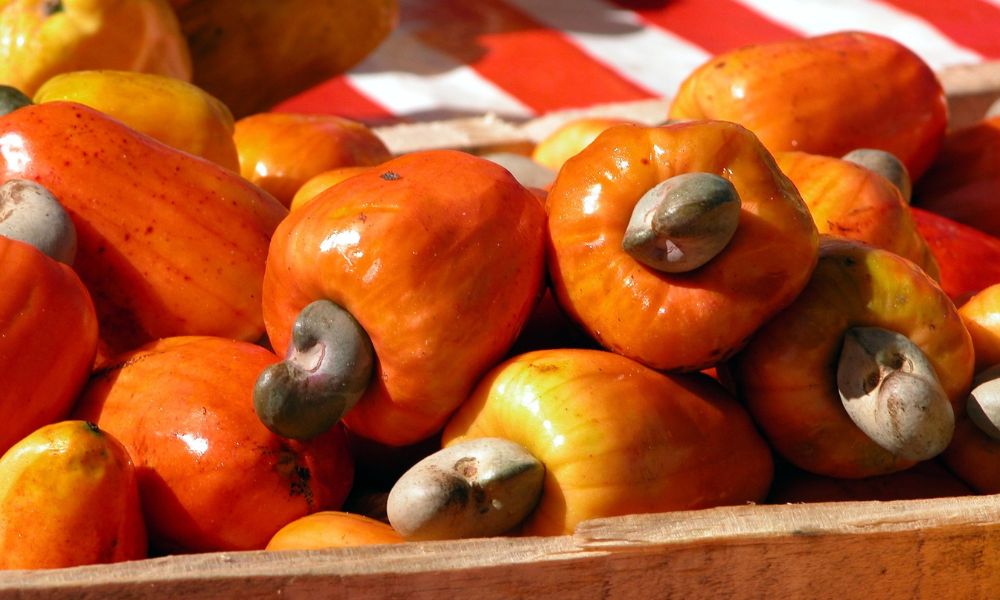
Superfood is the name for the category of food ingredients that are exceptionally rich in nutrients, such as vitamins, minerals, antioxidants, and other bioactive compounds. Consequently, they have outstanding nutritional profiles and are known to offer valuable health benefits. Common examples of superfoods include camu-camu, guayusa, açaí, and maca, among others. Importantly, the reputation of these foods is closely linked to their ability to improve health and prevent diseases. Moreover, superfoods have gained increased attention in recent decades, and South America stands out as an important origin of the world’s most prominent superfoods. Brazil, in particular, is the producer of a broad selection of superfoods that are both popular and widely consumed within the country, as well as exported worldwide. For instance, açai is a superfood recognized internationally for its antioxidant and anti-inflammatory properties. Beyond açai, other local superfood ingredients, such as cupuaçu, acerola, and cashews, are also loaded with vitamins, minerals, and antioxidants. At Verum Ingredients, we offer a carefully curated selection of fruit and botanical superfood ingredients from South America. Furthermore, we rely on robust supply chains for our ingredients: reliable, traceable, and sustainable. Feel free to request a demonstration through one of our channels today and learn more about our products.

After all, do you know what superfoods are? Read More »

The importance of traceability of raw materials in preserving brazilian biodiversity

The importance of traceability of raw materials in preserving brazilian biodiversity

Within the vast biomes that make up the Brazilian landscape lies an immense wealth of biodiversity. This unique diversity is the result of millions of years of evolution and interaction between ecosystems and indigenous species. However, this biodiversity is often under threat due to the rampant exploitation of natural resources, with no consideration for sustainability and conservation. Traceability of raw materials is a key factor to reach balance between economic development and environmental preservation. By implementing effective tracing systems, it is possible to monitor the origin of natural resources from extraction to final use, thus ensuring the lawfulness and sustainability of the supply chain. In the Brazilian context, where biodiversity is one of the richest in the world, the traceability of raw materials plays a fundamental role in protecting natural resources. In the Amazon region, for example, an great variety of plant and animal species are used in the production of food, medicines, cosmetics, and a myriad of other products. Only through the sustainable exploitation these natural resources, the biodiversity can be preserved, and the livelihoods of traditional communities dependent on these resources is protected. It important to emphasize that the effective implementation of raw materials traceability requires the engagement of all stakeholders of the production chain, from producers and industry to end consumers. Transparency and cooperation are essential to ensure the effectiveness of the supply chain, and promote a culture of environmental and social responsibility. At Verum Ingredients, our mission is to offer the market sustainably sourced, healthy, and innovative ingredients. Our suppliers are leaders in their segments, committed to the highest quality standards, safety, and transparency. Bearing in mind that the food choices we make do have social and environmental impacts, our aim is to increase this awareness among our business partners as well, so they can make informed decisions about what they consume and why. Want to learn more about us? Then contact us today through our channels.

The importance of traceability of raw materials in preserving brazilian biodiversity Read More »

Exploring the Vibrant Secrets of South American Yerba Mate

Exploring the vibrant secrets of South American yerba mate

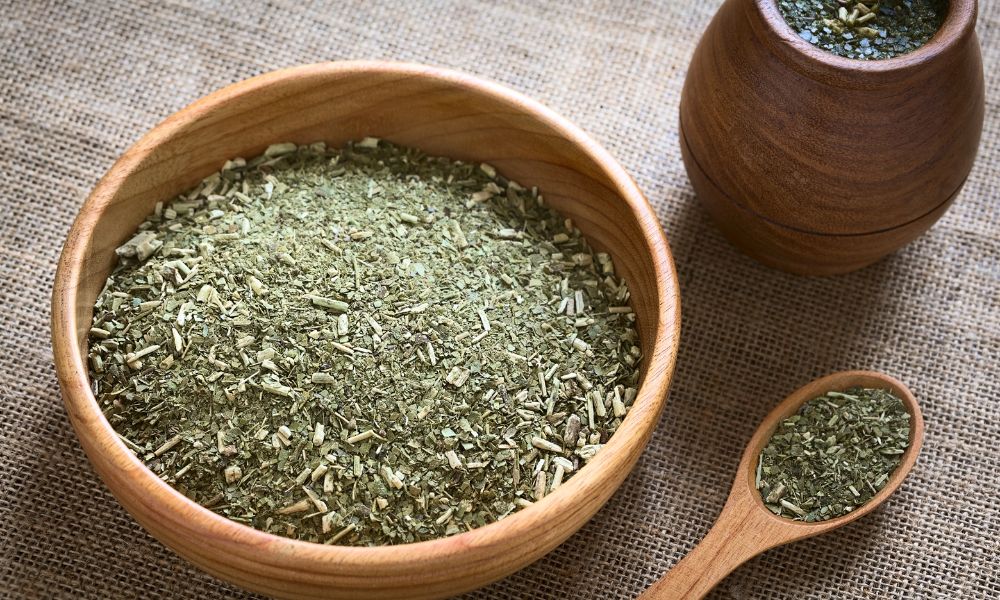
We are proud to have in our portfolio one of South America’s caffeinated botanical treasures: Yerba Mate. Sourced rigorously from sustainable and traceable supply chains in Brazil, and USDA NOP certified, Yerba Mate, also known as Mate (Ilex paraguariensis), is an intrinsic part of the cultural identity of South American countries such as Brazil, Argentina and Paraguay. It is the most significant species from the family of holly trees, notable for its caffeine content.

Exploring the vibrant secrets of South American yerba mate Read More »

Guarana Extract and its benefits

Guarana extract and its benefits

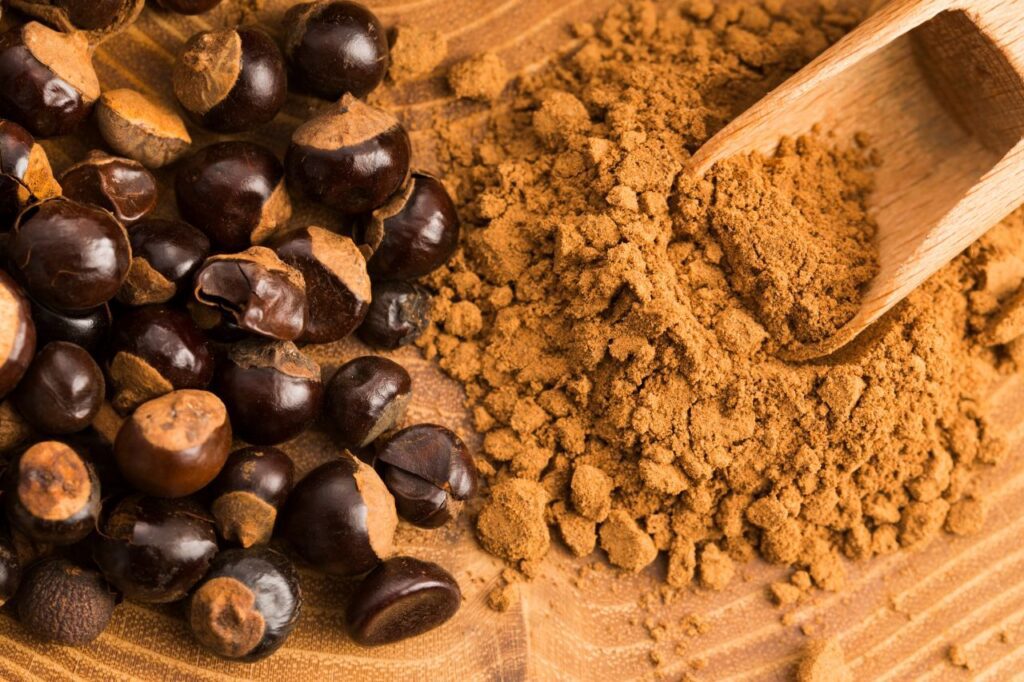
Guarana is a fruit native to the Amazon region and has been part of indigenous culture and traditional medicine for centuries. Guarana seeds are widely consumed in Brazil because of their flavor and health benefits. One of the most effective ways to harness these benefits is through the Guarana Extract, a product that has gained increased attention from dietary supplement and pharmaceutical industries, due to its stimulating and antioxidant properties.

Guarana extract and its benefits Read More »