Food system circularity: transforming by-products into functional ingredients
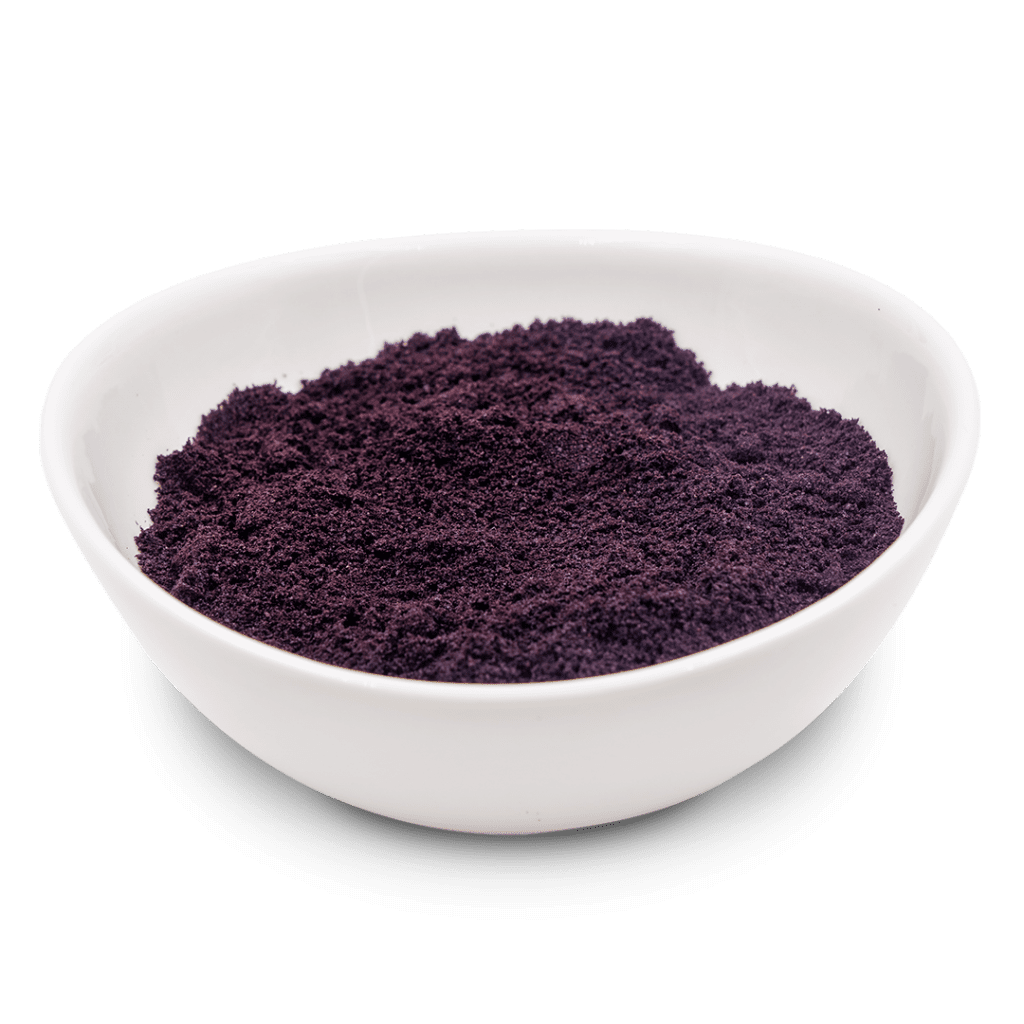
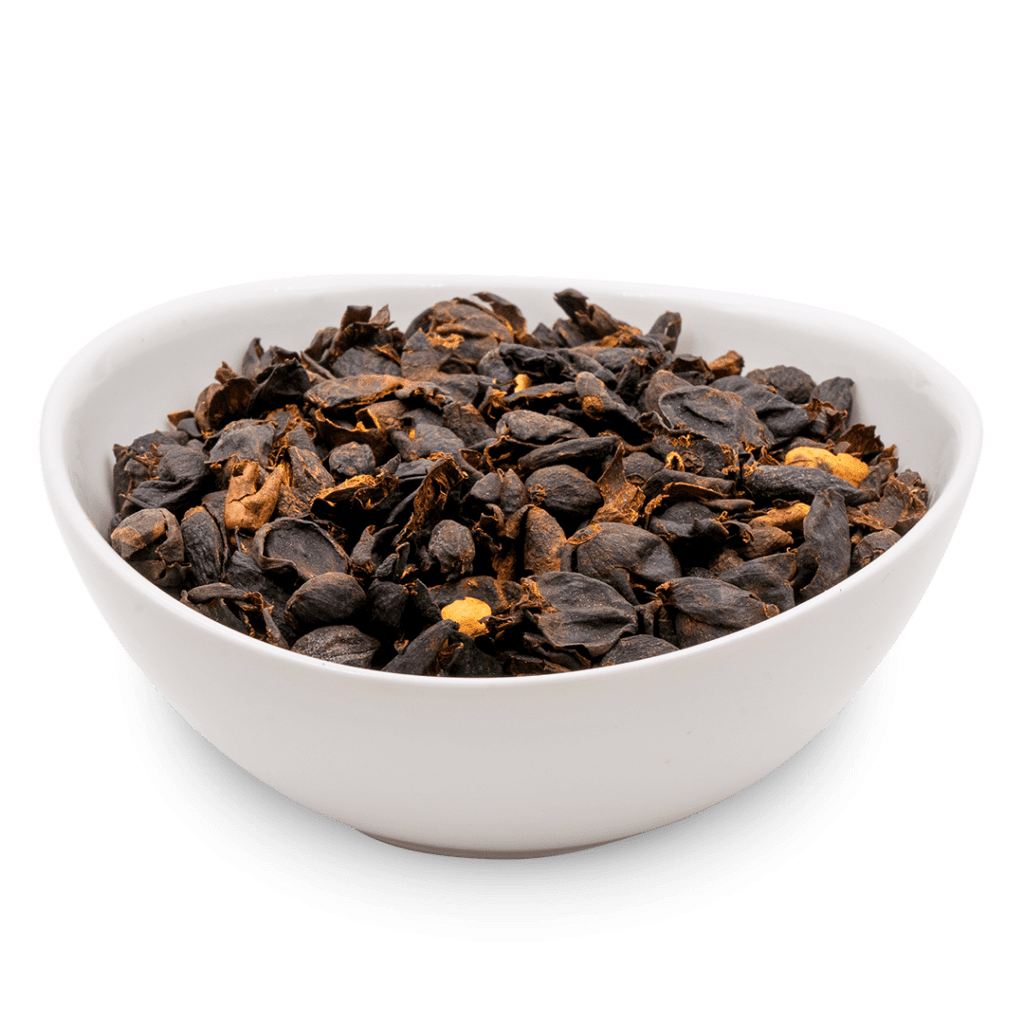
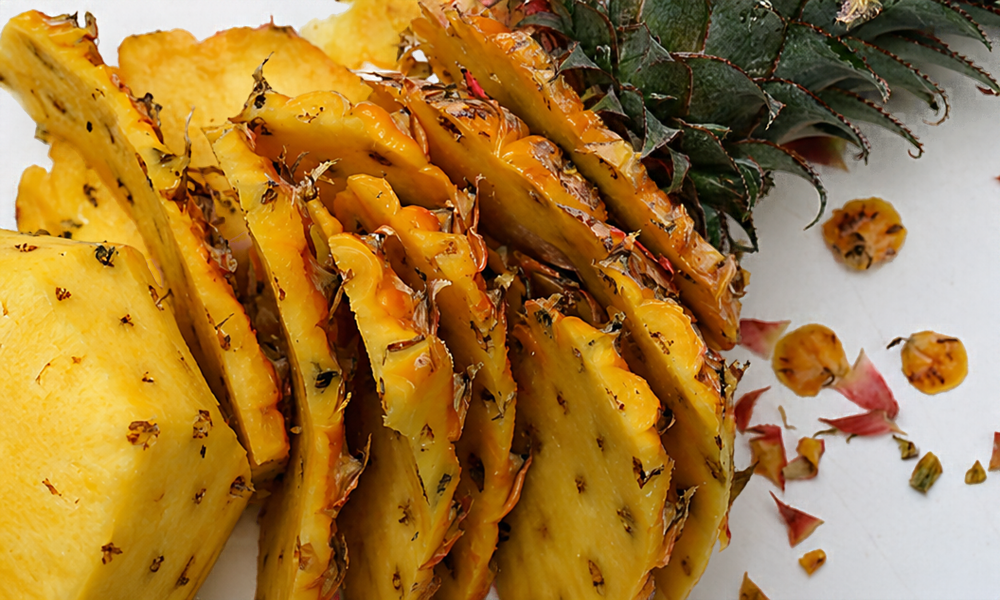
Upcycling in the food industry is frequently misunderstood as a simple waste diversion strategy. For product formulators, however, it represents an alternative to incorporate highly nutritional ingredients. Research indicates that the peripheral tissues of fruits – seeds, peels, and pomace – often contain greater densities of polyphenols and specific fibers
- Articles
- News
- uncategory

The online training was key to shape our business model for the development of prebiotic products that match client expe...
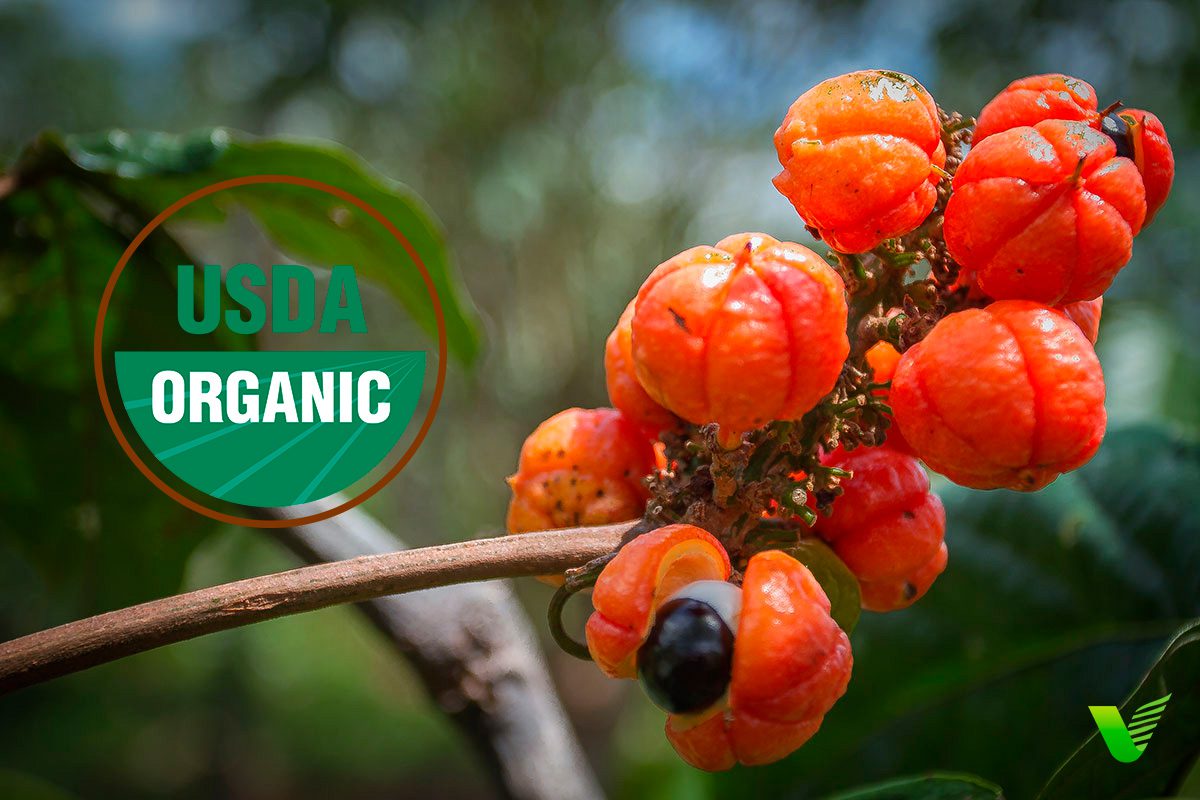
Several products of our portfolio will now be organic labeled in accordance with the USDA - NOP....

Compliance with Foreign Supplier Verification Program (FSVP) is confirmed....

Company will strengthen its R&D programs with prebiotic ingredients....

Our quick guide to help you to understand and choose from the variety of açai products available in the market. ...
The science behind polyphenol bioavailability and the physiological effects
Guarana: the technical differences between natural and synthetic caffeine
From waste to value: the role of circular economy in sustainable food systems
Acerola and the clean label movement: the science behind natural vitamin C

Polyphenol bioavailability: a joint effort that includes the food industry
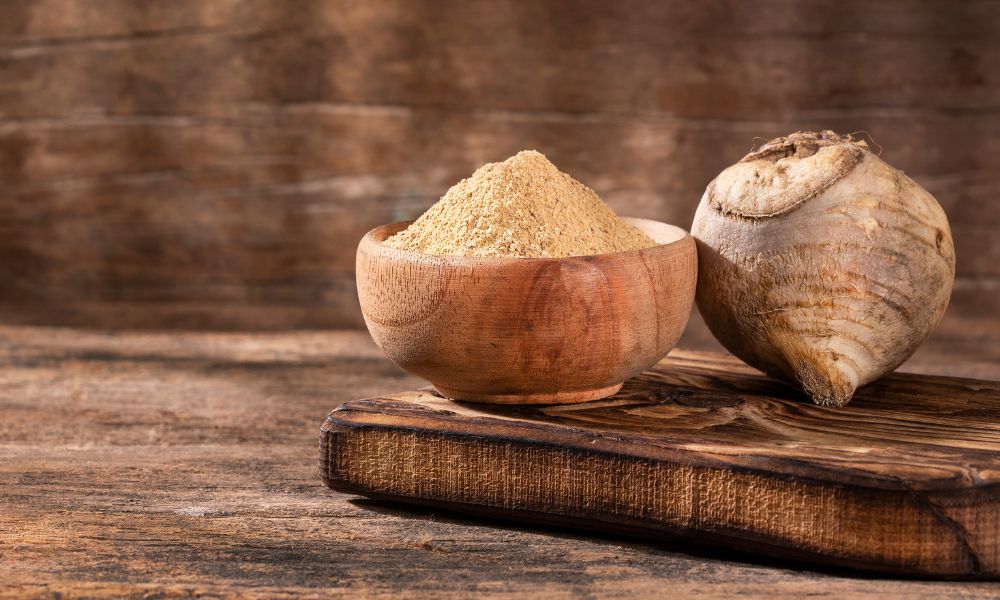
Maca powder and maca extracts: technical nuances from the Peruvian Andes for product innovation
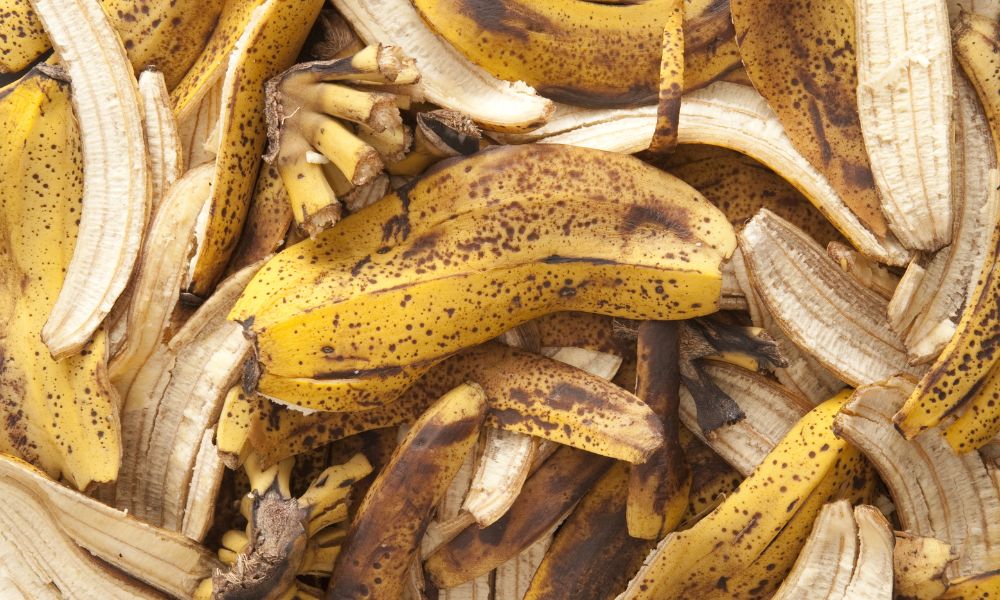
Upcycling is shaping the future of food innovation

Beyond biomarkers: why quality of life is an advantage in clinical studies
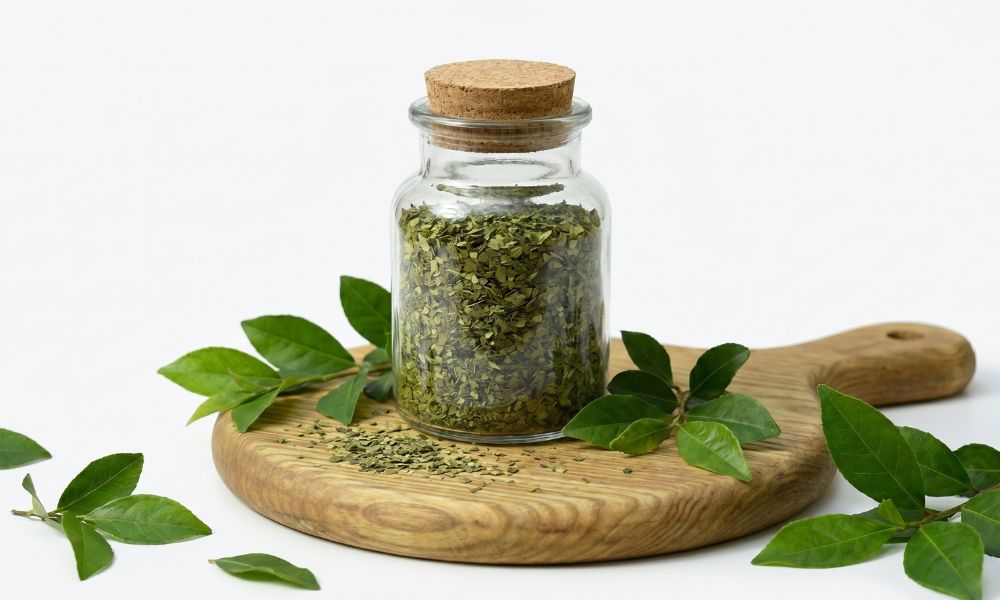
Guayusa: a versatile ingredient for natural energy and functional nutrition