The science behind polyphenol bioavailability and the physiological effects
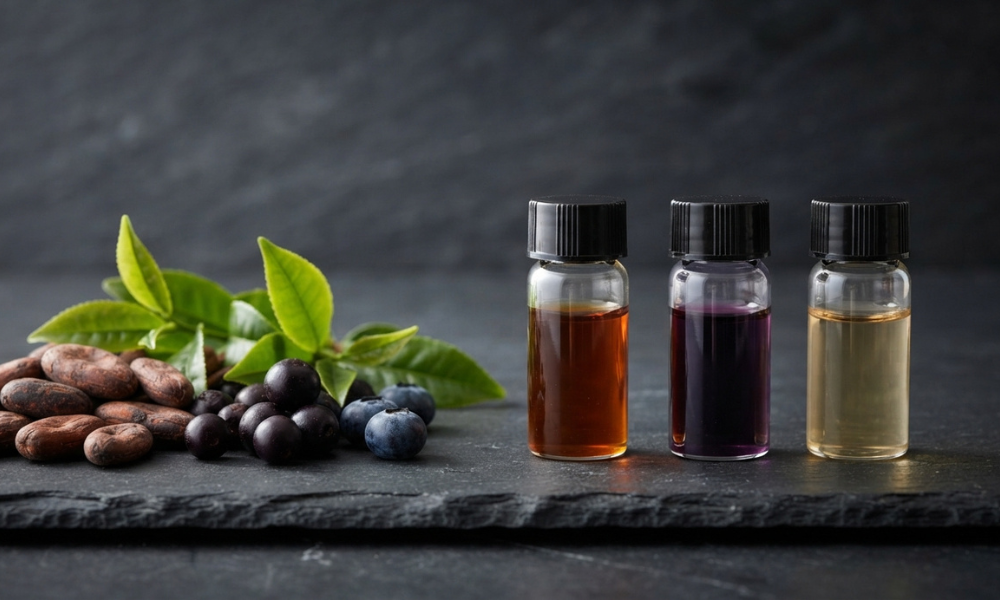
Polyphenols represent one of the most valuable classes of plant-derived bioactive compounds, naturally occurring in fruits, vegetables, cereals, legumes, tea, coffee, cocoa, and wine. Their well-documented antioxidant, anti-inflammatory, antimicrobial, and cardioprotective properties have positioned them among the most promising ingredients for the development of functional foods, beverages, dietary supplements, and
- Articles
- News
- uncategory

The skin, the body’s largest organ, hosts beneficial microbes that protect against pathogens, educate immunity, and help...
Good eating habits are key to preventing diseases like hypertension, diabetes, and obesity, which are linked to industri...

We acknowledge the impact of recent tariffs on our customers and remain committed to transparency and support. Shipments...

Choosing the right co-packer or contract manufacturer is crucial for CPG success but complex, involving many factors. Ke...

The gut, with its own nervous system, communicates bidirectionally with the brain via the gut-brain axis, involving immu...
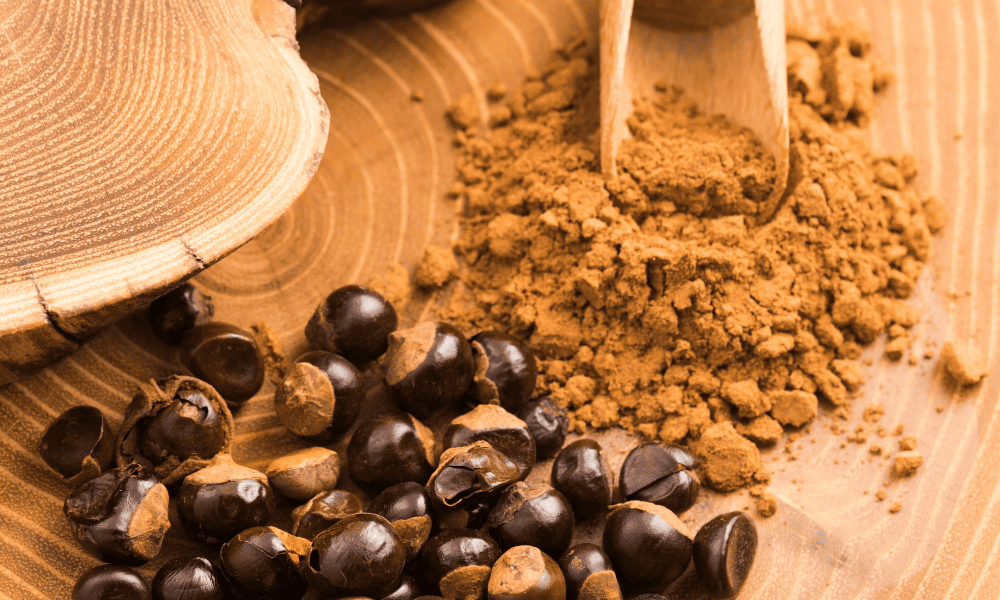
Guarana: the technical differences between natural and synthetic caffeine
From waste to value: the role of circular economy in sustainable food systems
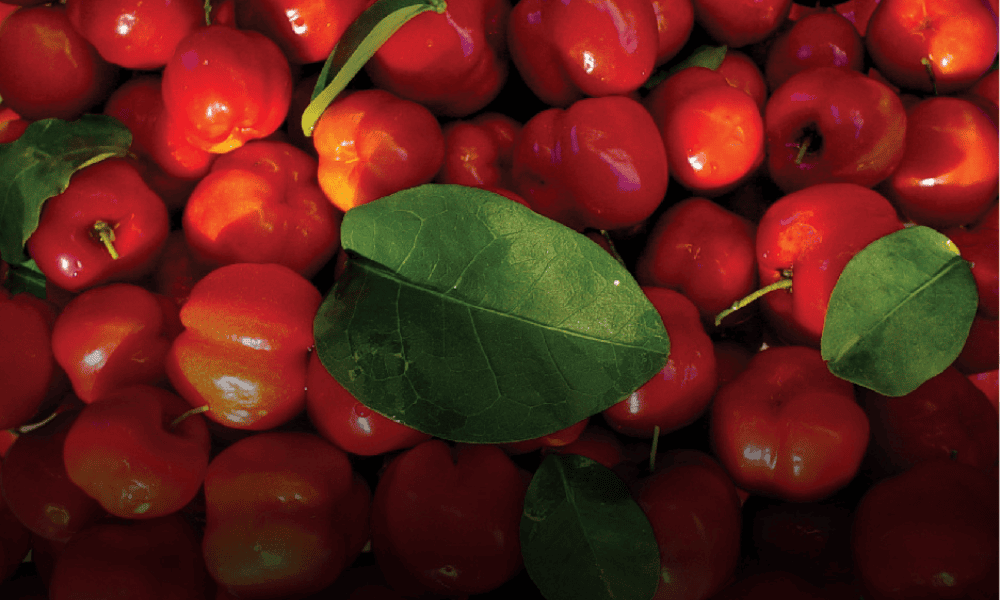
Acerola and the clean label movement: the science behind natural vitamin C

Polyphenol bioavailability: a joint effort that includes the food industry
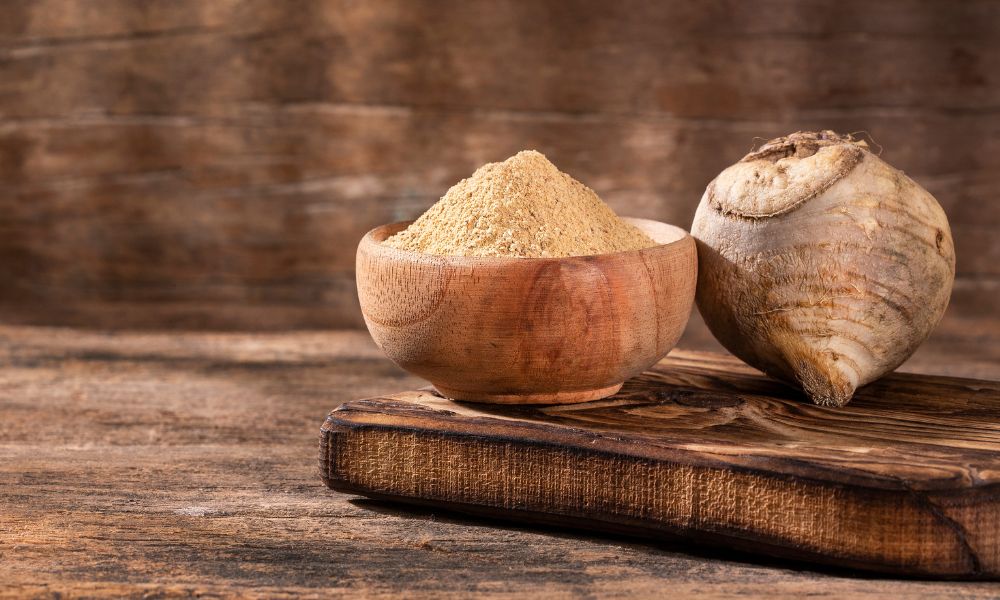
Maca powder and maca extracts: technical nuances from the Peruvian Andes for product innovation
Upcycling is shaping the future of food innovation

Beyond biomarkers: why quality of life is an advantage in clinical studies
Guayusa: a versatile ingredient for natural energy and functional nutrition

Impact of ultra-processed foods on human health: insights for the food industry