The science behind polyphenol bioavailability and the physiological effects
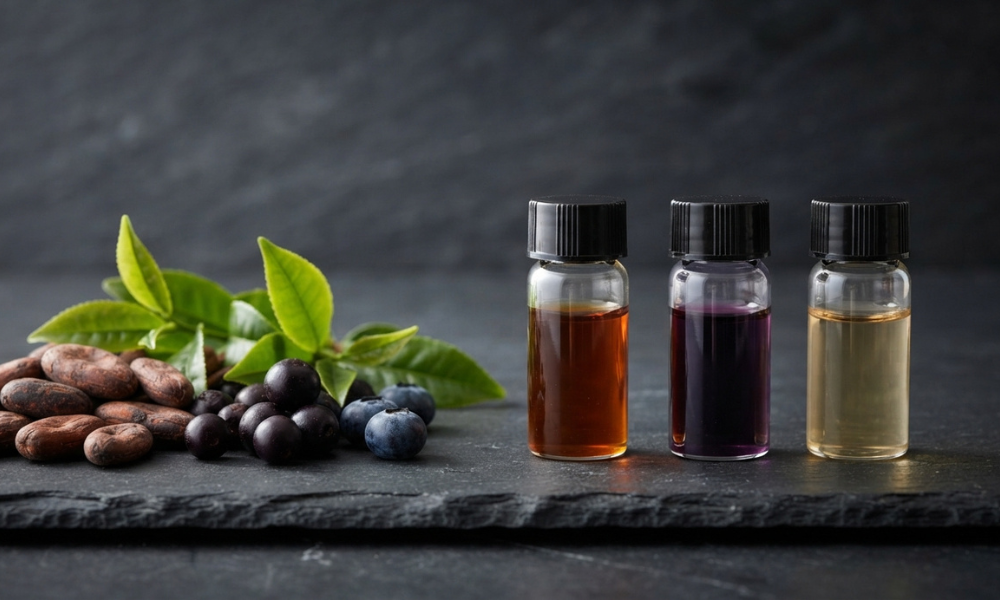
Polyphenols represent one of the most valuable classes of plant-derived bioactive compounds, naturally occurring in fruits, vegetables, cereals, legumes, tea, coffee, cocoa, and wine. Their well-documented antioxidant, anti-inflammatory, antimicrobial, and cardioprotective properties have positioned them among the most promising ingredients for the development of functional foods, beverages, dietary supplements, and
- Articles
- News
- uncategory

Ensuring the stability and shelf life of fruit powders is essential for maintaining their quality and efficacy. Understa...

Processing methods significantly impact the content of bioactive compounds in fruit powders. Understanding these effects...

Why is acerola a top choice for functional powders? Verum offers spray-dried and freeze-dried organic acerola that can b...

Understanding their difference and making the right choice for your formulation A botanical straight powder is obtained ...

Why is traceability essential in today’s global food landscape? In an interconnected food system, traceability ensures t...
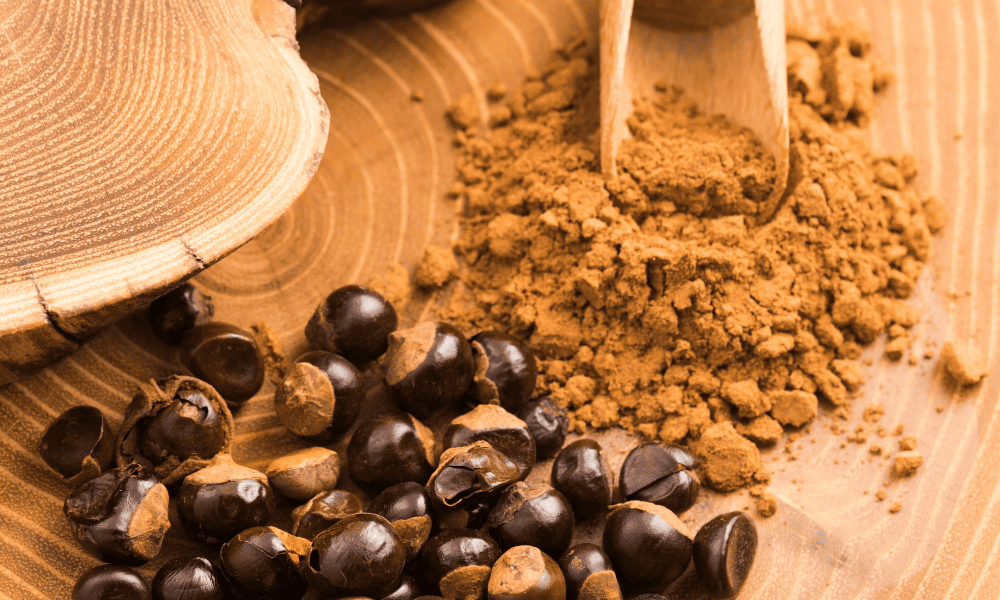
Guarana: the technical differences between natural and synthetic caffeine
From waste to value: the role of circular economy in sustainable food systems
Acerola and the clean label movement: the science behind natural vitamin C

Polyphenol bioavailability: a joint effort that includes the food industry
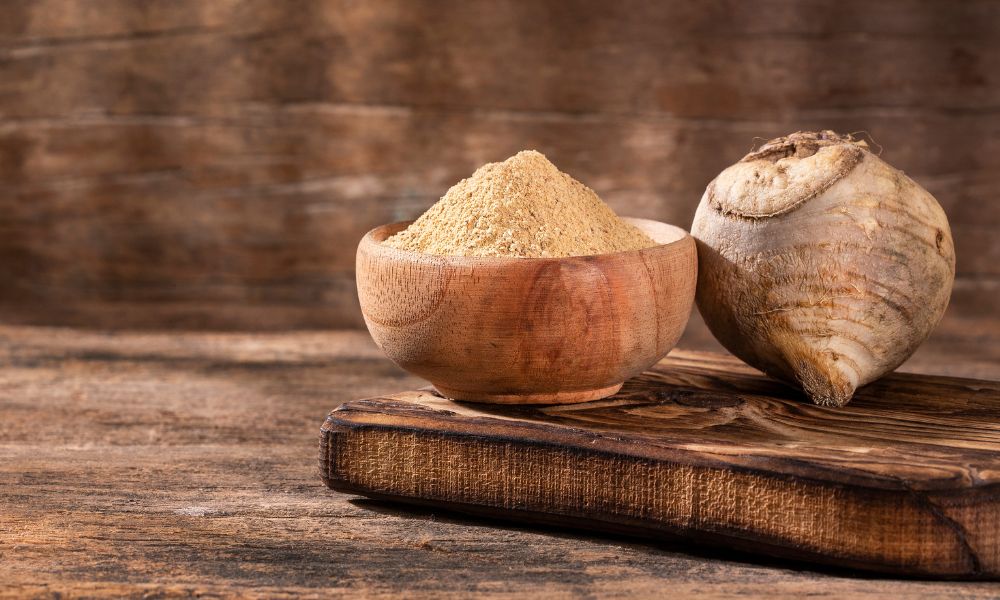
Maca powder and maca extracts: technical nuances from the Peruvian Andes for product innovation
Upcycling is shaping the future of food innovation

Beyond biomarkers: why quality of life is an advantage in clinical studies
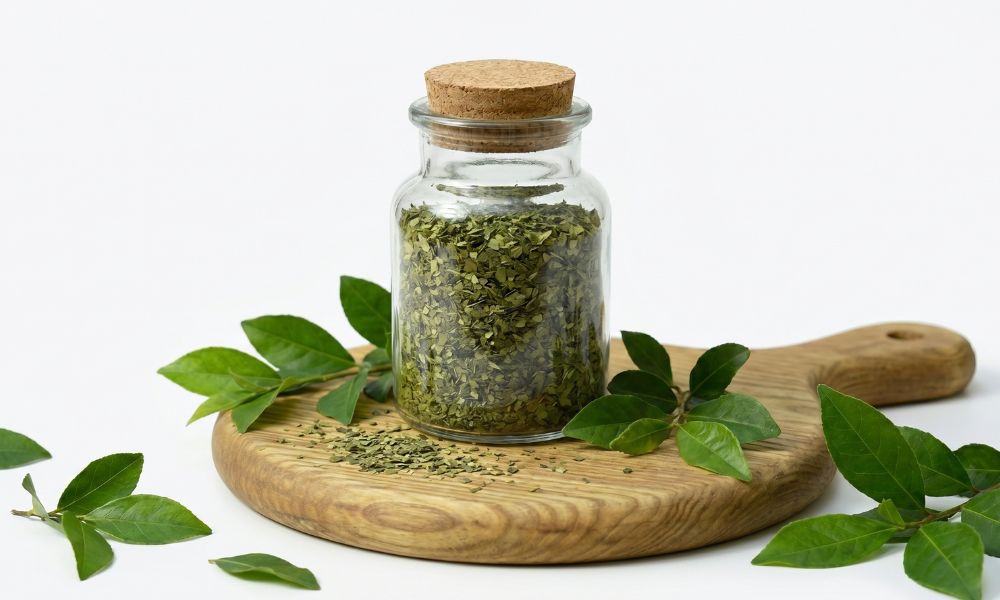
Guayusa: a versatile ingredient for natural energy and functional nutrition

Impact of ultra-processed foods on human health: insights for the food industry