The science behind polyphenol bioavailability and the physiological effects
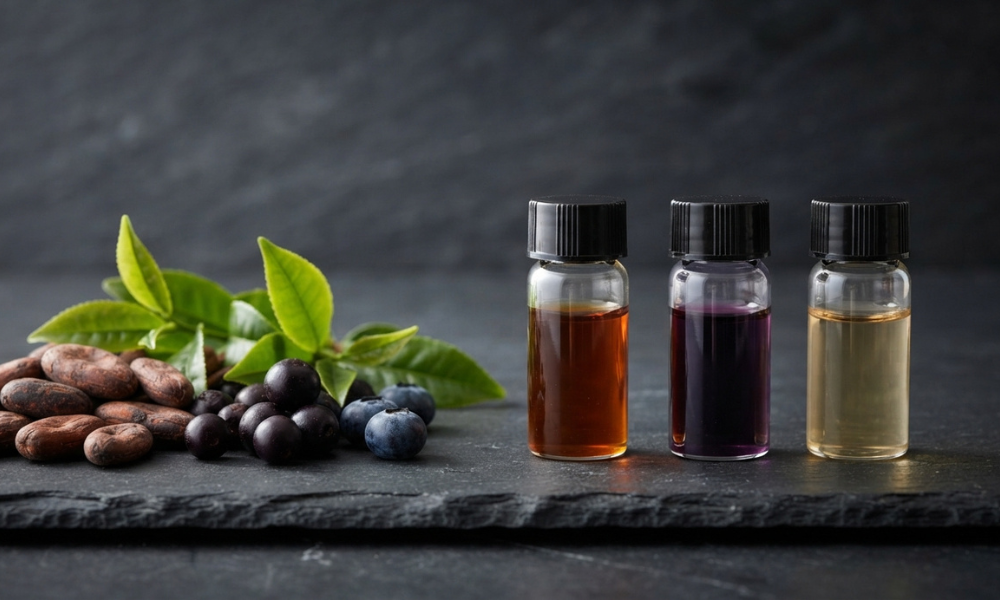
Polyphenols represent one of the most valuable classes of plant-derived bioactive compounds, naturally occurring in fruits, vegetables, cereals, legumes, tea, coffee, cocoa, and wine. Their well-documented antioxidant, anti-inflammatory, antimicrobial, and cardioprotective properties have positioned them among the most promising ingredients for the development of functional foods, beverages, dietary supplements, and
- Articles
- News
- uncategory

In a recent three-paper series, The Lancet examines the global rise in ultra-processed foods (UPFs) in diets and highlig...
In the natural ingredients industry, sourcing is only the beginning. Behind every successful formulation there is a netw...
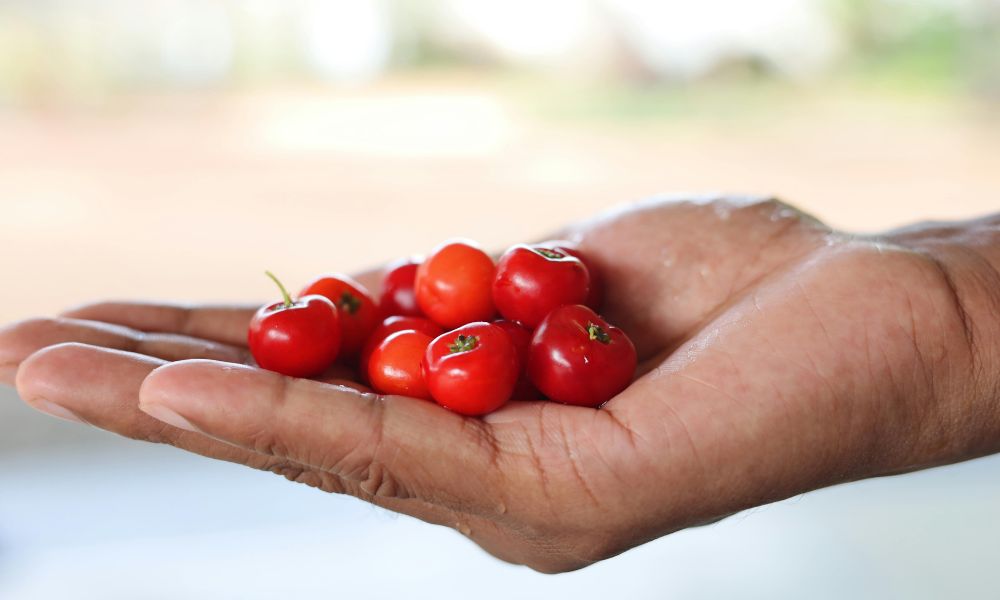
Acerola (Malpighia emarginata) has a well-established reputation for exceptionally high vitamin C content and antioxidan...
Fruit powders can appear similar on a specification sheet, yet the drying technology used during production significantl...
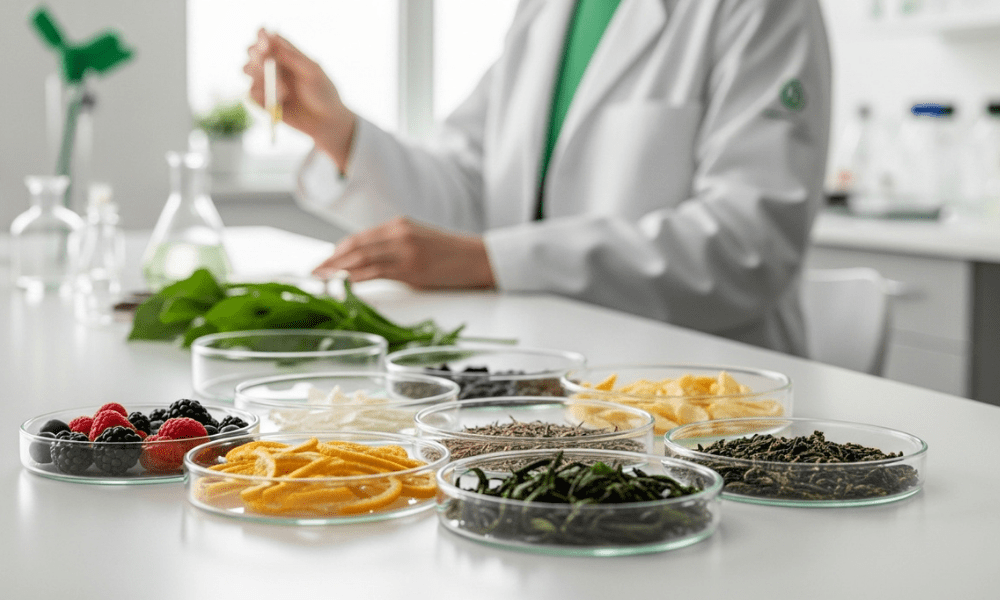
In today’s competitive metabolic health landscape, GLP-1 has emerged as a cornerstone pathway for innovation in diabetes...
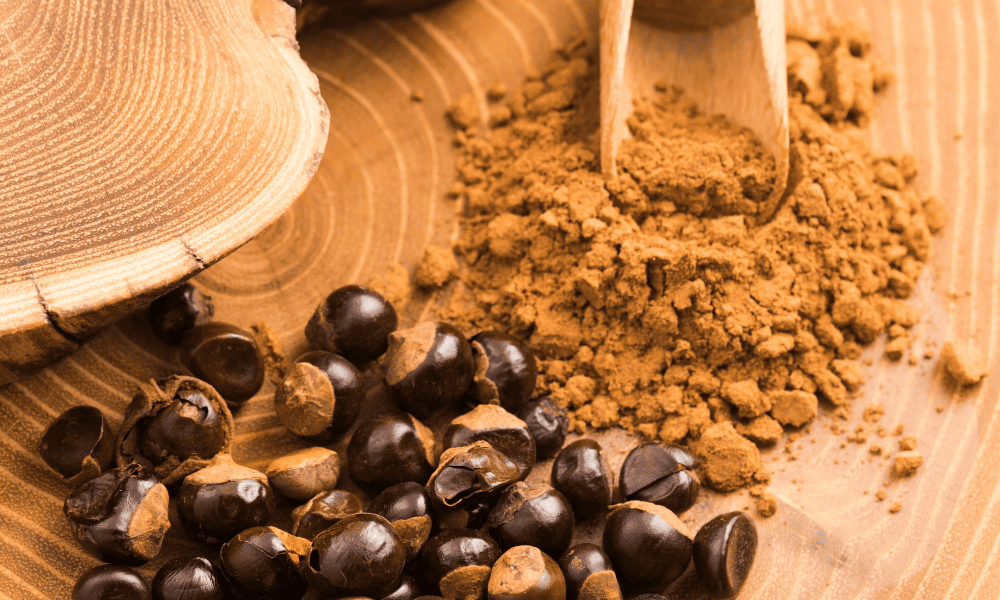
Guarana: the technical differences between natural and synthetic caffeine
From waste to value: the role of circular economy in sustainable food systems
Acerola and the clean label movement: the science behind natural vitamin C

Polyphenol bioavailability: a joint effort that includes the food industry
Maca powder and maca extracts: technical nuances from the Peruvian Andes for product innovation
Upcycling is shaping the future of food innovation

Beyond biomarkers: why quality of life is an advantage in clinical studies
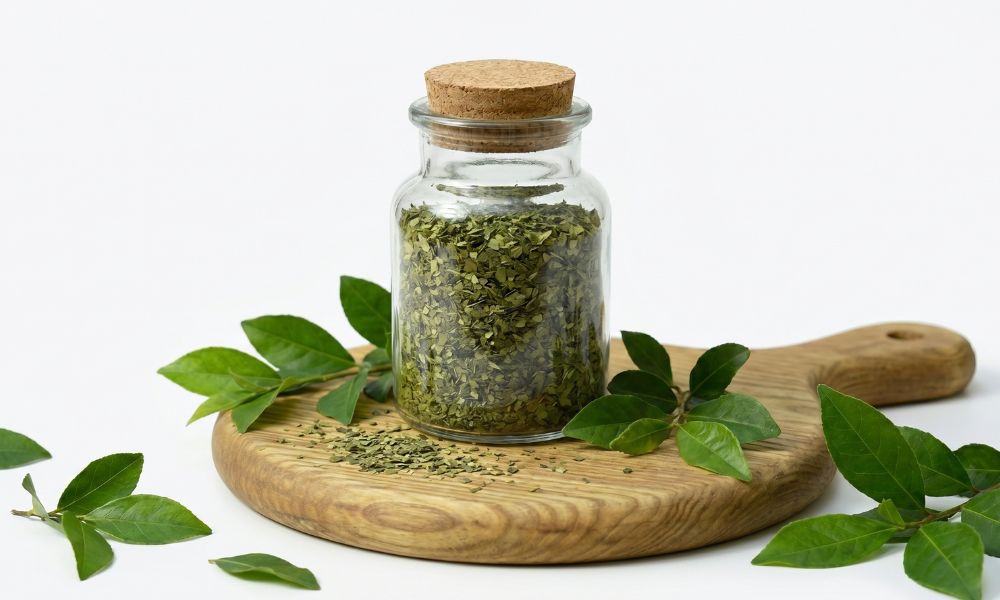
Guayusa: a versatile ingredient for natural energy and functional nutrition
Impact of ultra-processed foods on human health: insights for the food industry