Food system circularity: transforming by-products into functional ingredients
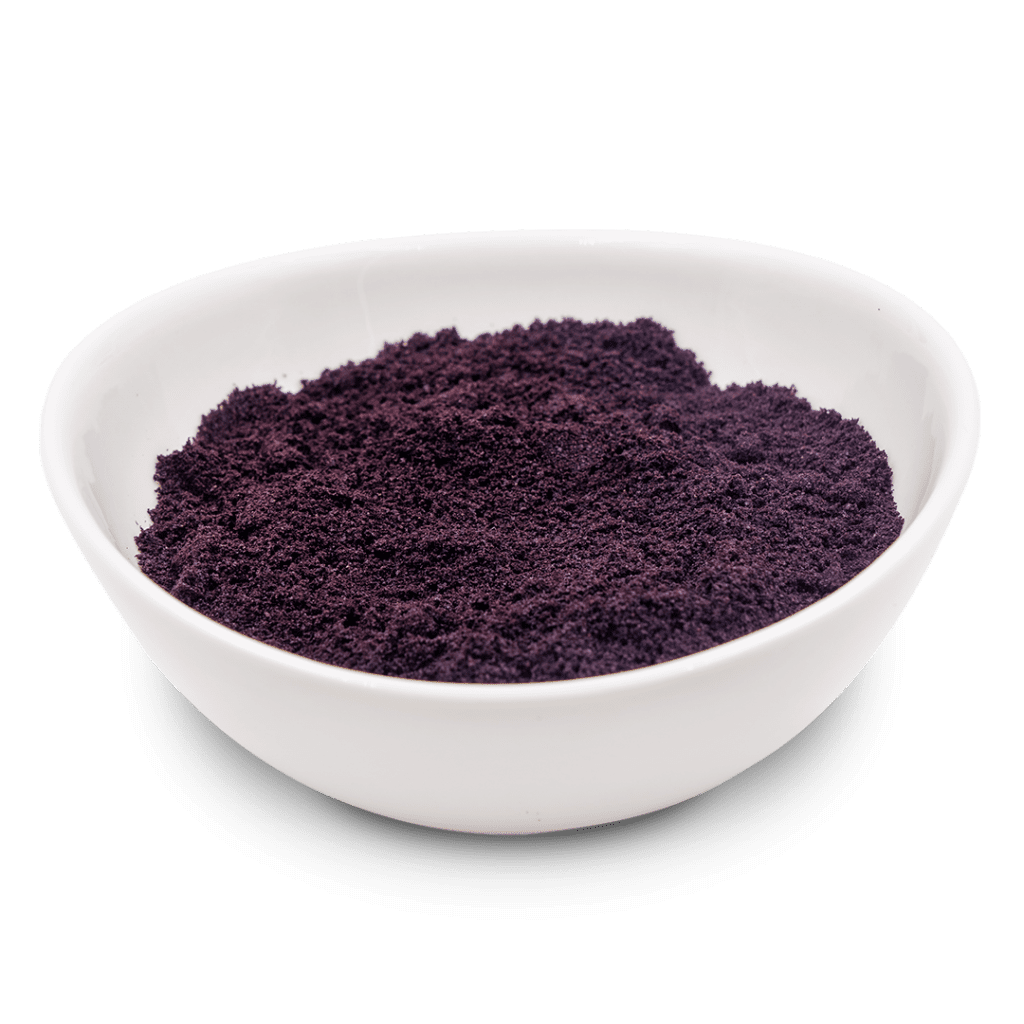
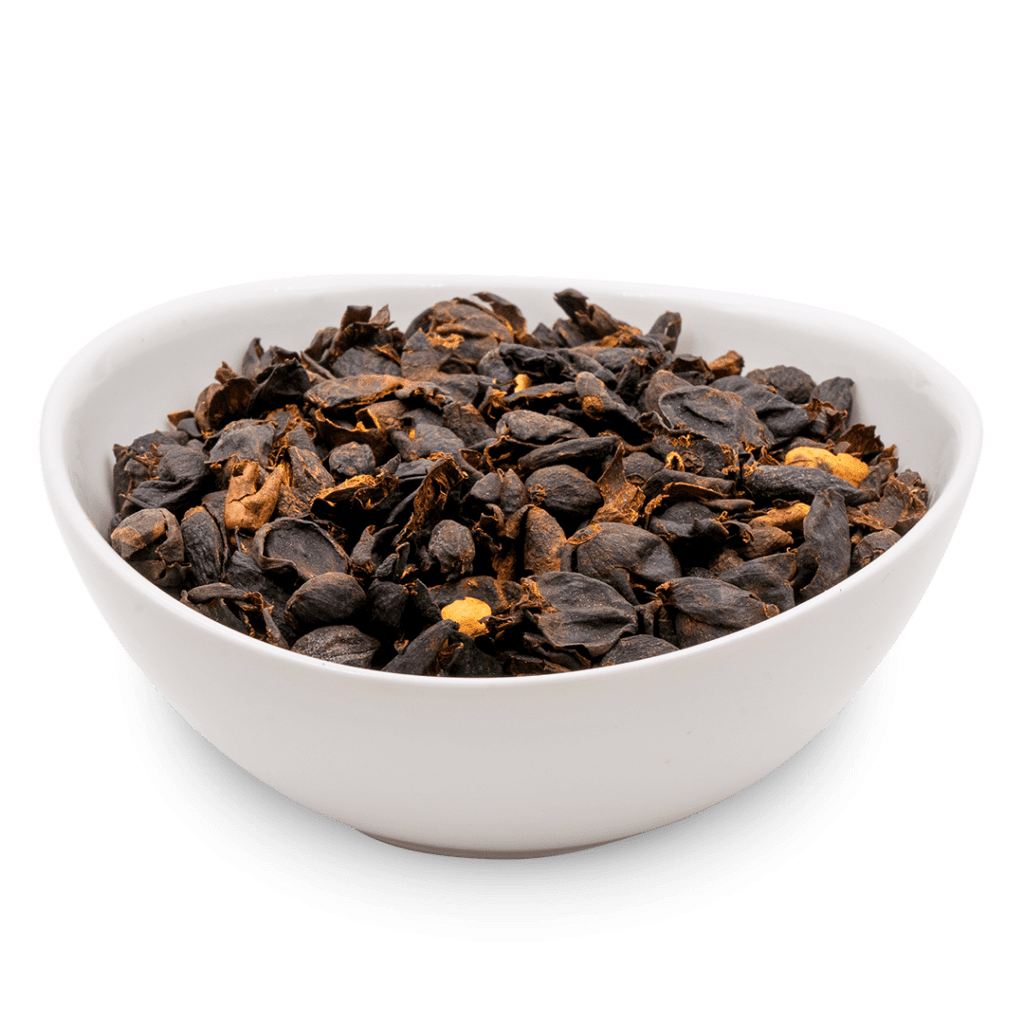
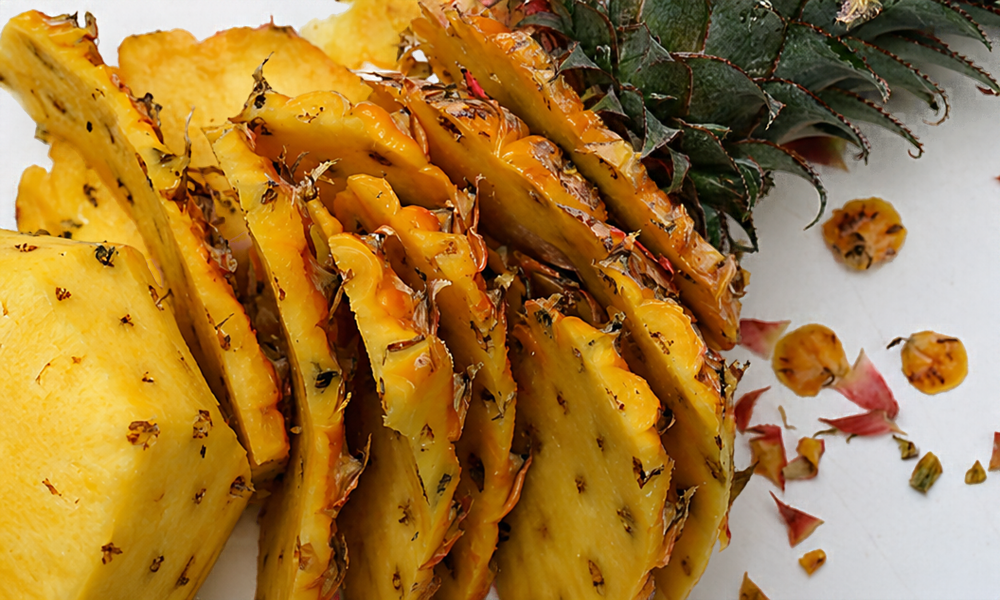
Upcycling in the food industry is frequently misunderstood as a simple waste diversion strategy. For product formulators, however, it represents an alternative to incorporate highly nutritional ingredients. Research indicates that the peripheral tissues of fruits – seeds, peels, and pomace – often contain greater densities of polyphenols and specific fibers
- Articles
- News
- uncategory
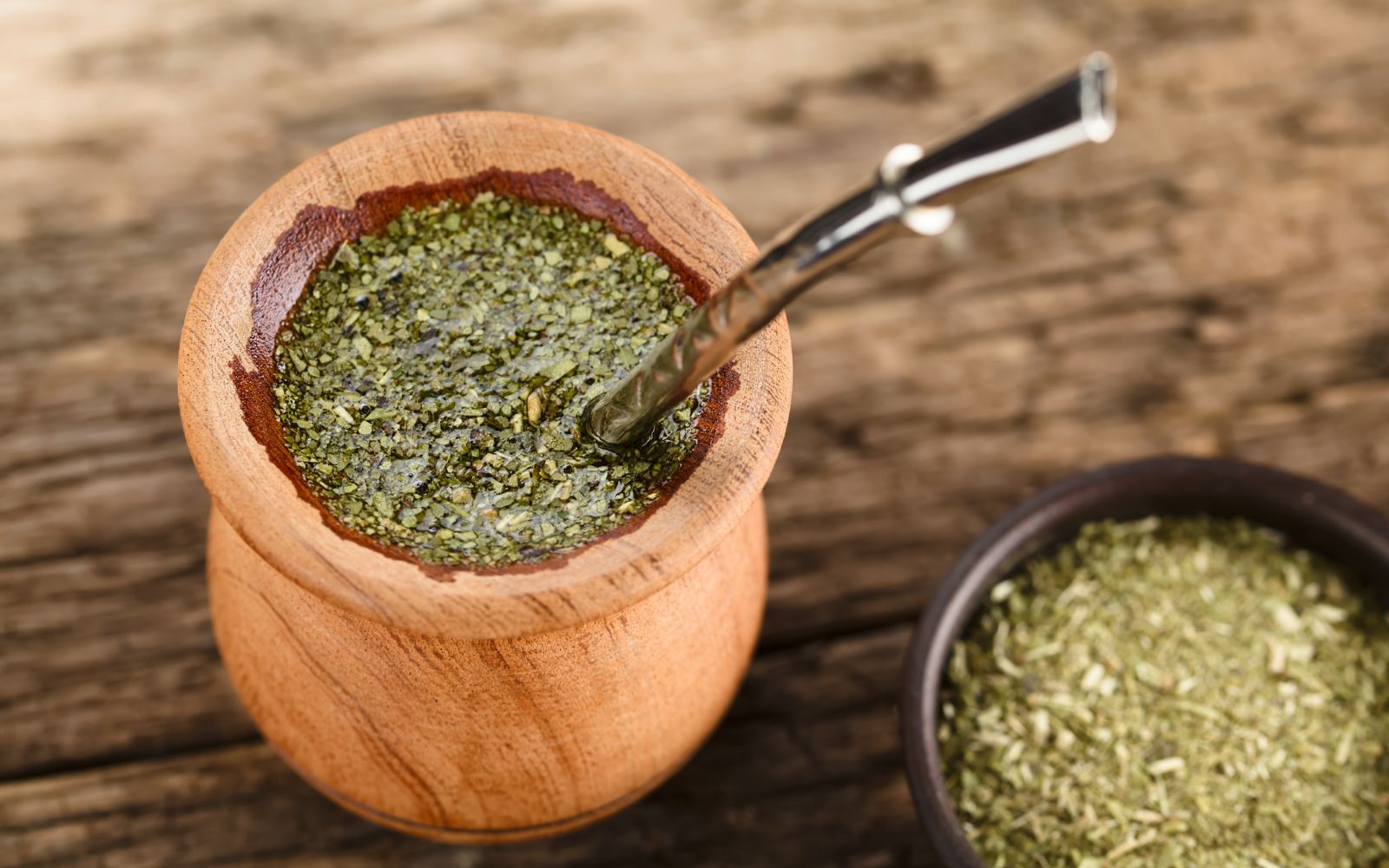
Yerba mate (Ilex paraguariensis), traditionally grown in the subtropical regions of South America, has garnered increasi...
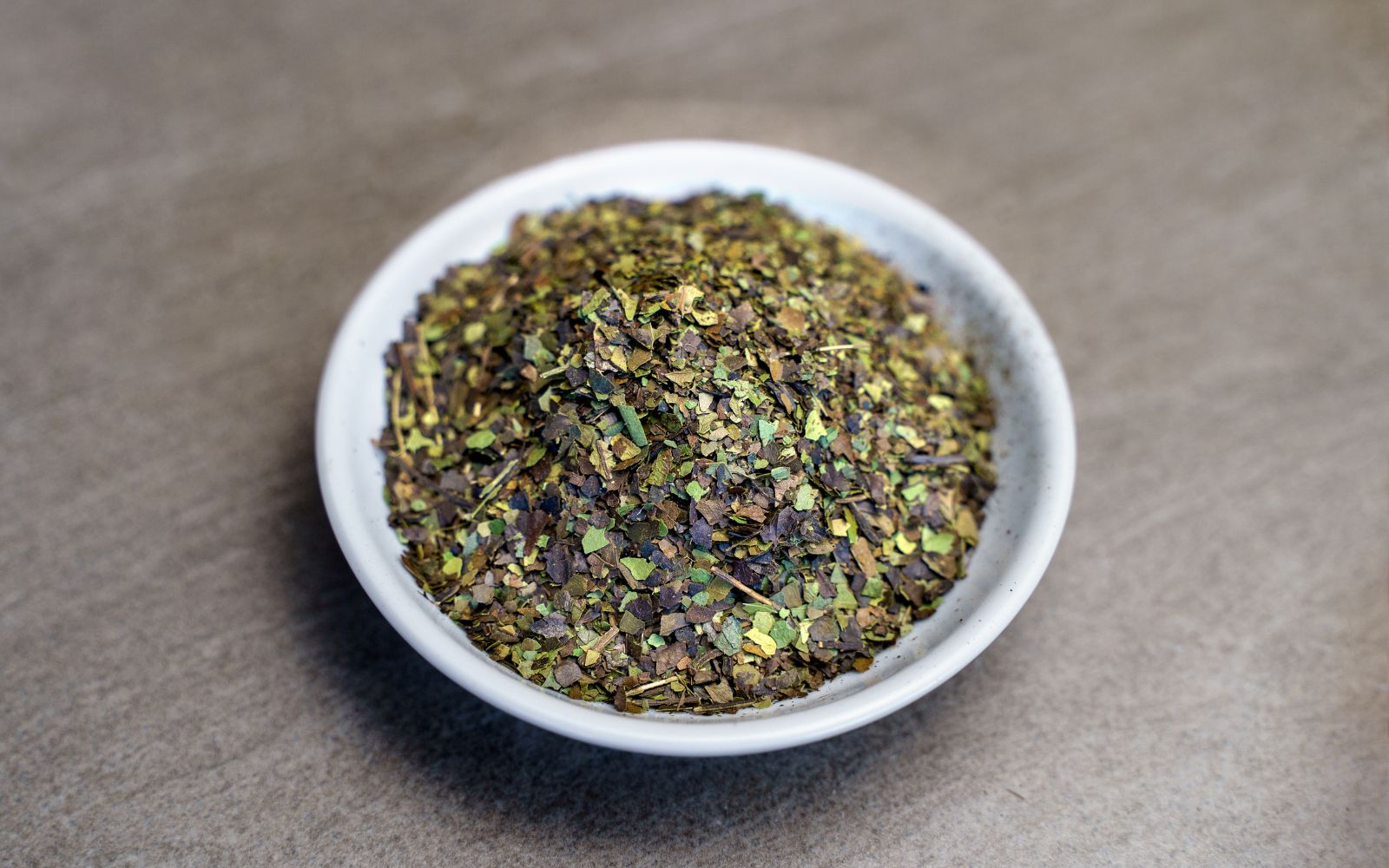
Guayusa is a plant native to the Ecuadorian Amazon, renowned for its energizing and antioxidant properties. This superfo...
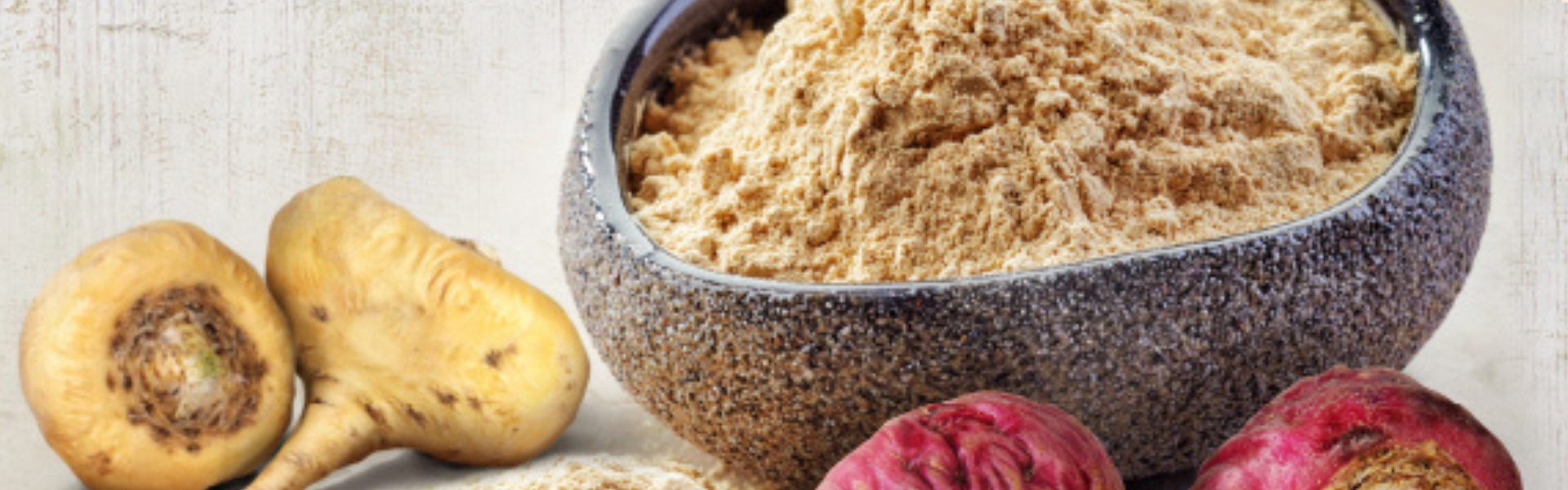
Freeze-drying is widely recognized in the industry as a method for preserving a wide range of formulations. It is a dehy...
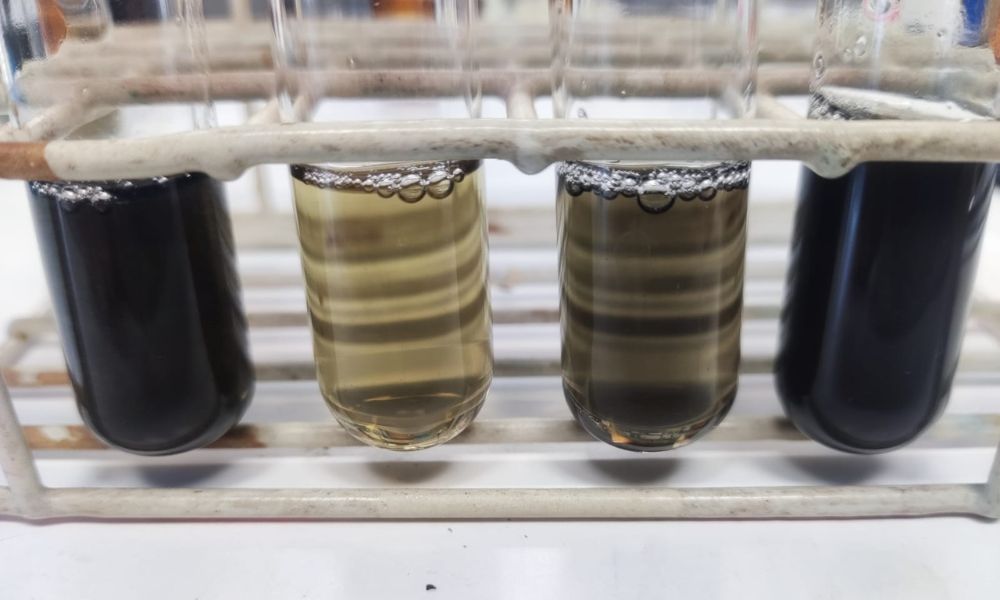
Verum Ingredients received a new grant from the Small Business Innovation Research Program (Programa PIPE) by Fapesp (Re...
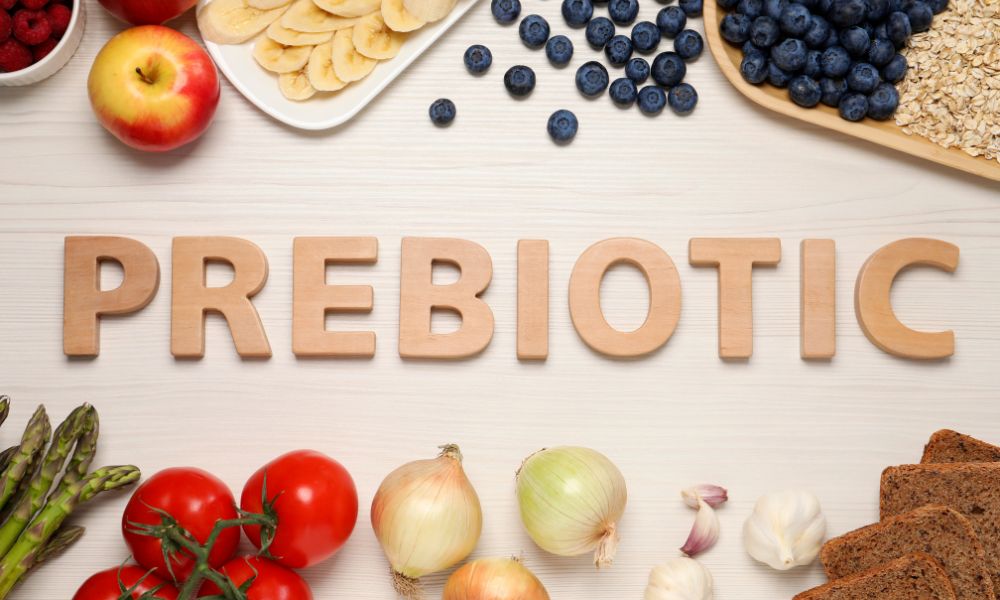
Functional foods is a term currently used to describe products that exhibit caloric survival characteristics and also im...
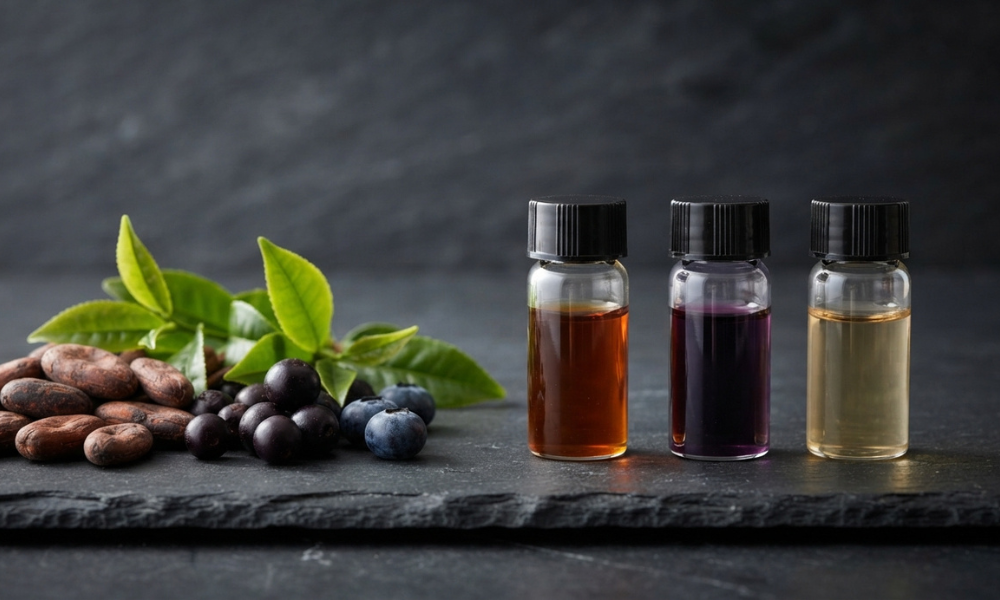
The science behind polyphenol bioavailability and the physiological effects
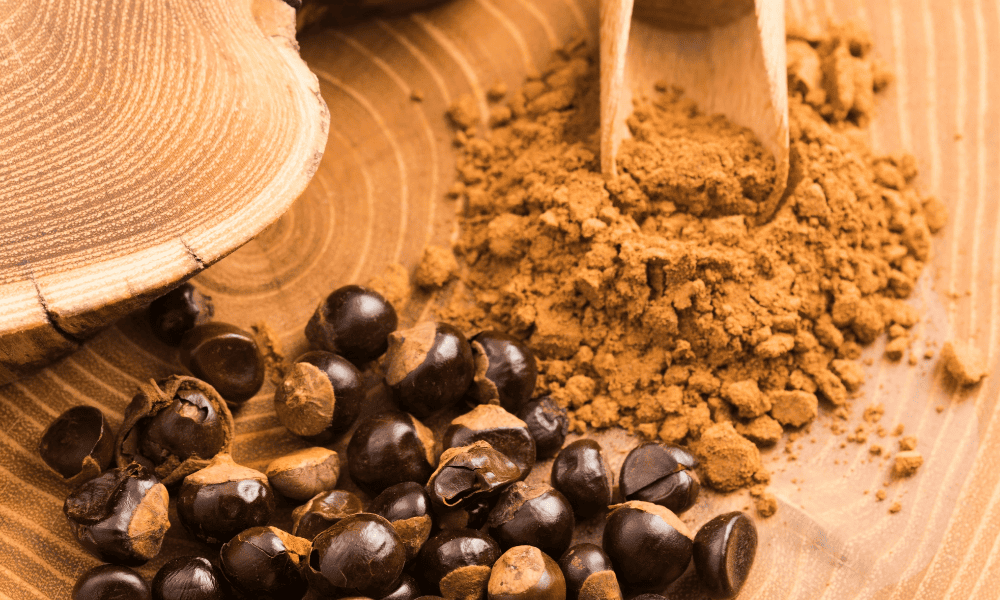
Guarana: the technical differences between natural and synthetic caffeine
From waste to value: the role of circular economy in sustainable food systems
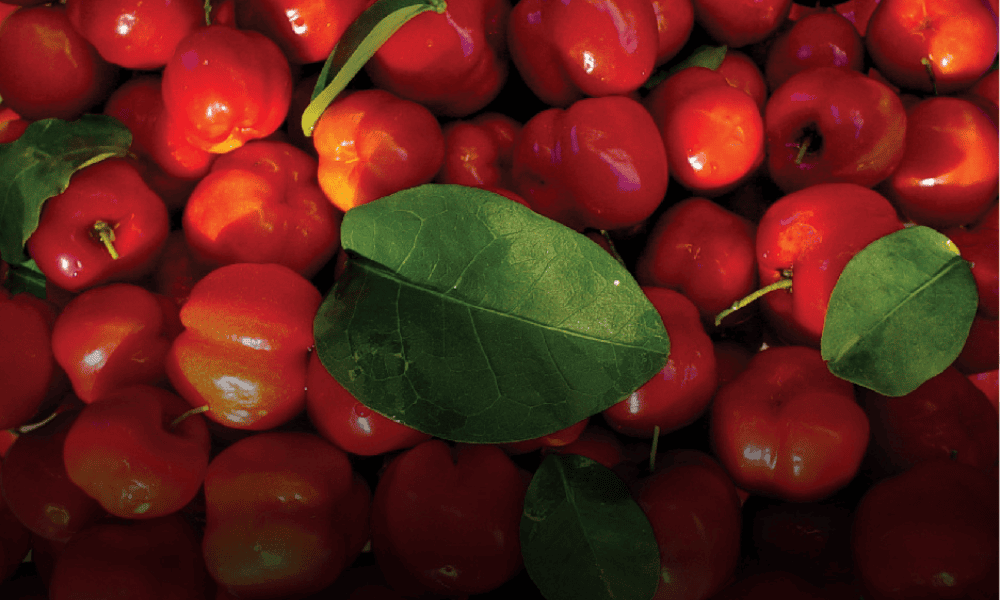
Acerola and the clean label movement: the science behind natural vitamin C
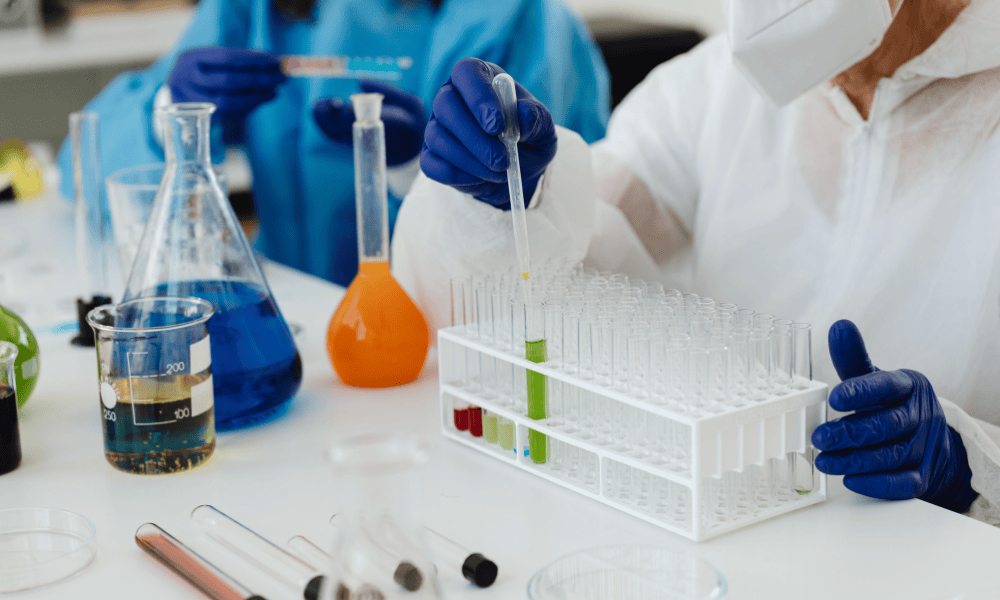
Polyphenol bioavailability: a joint effort that includes the food industry
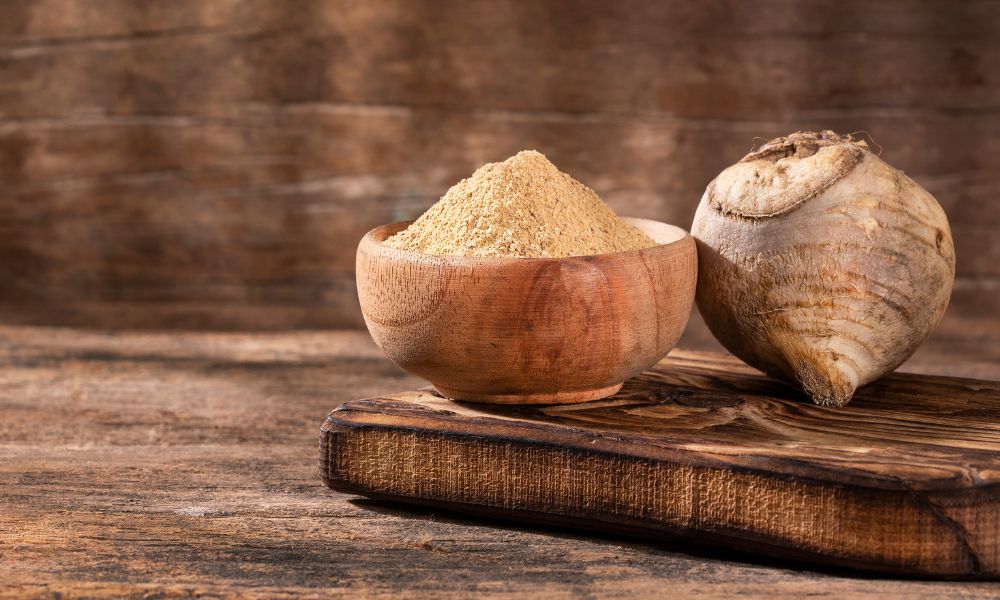
Maca powder and maca extracts: technical nuances from the Peruvian Andes for product innovation
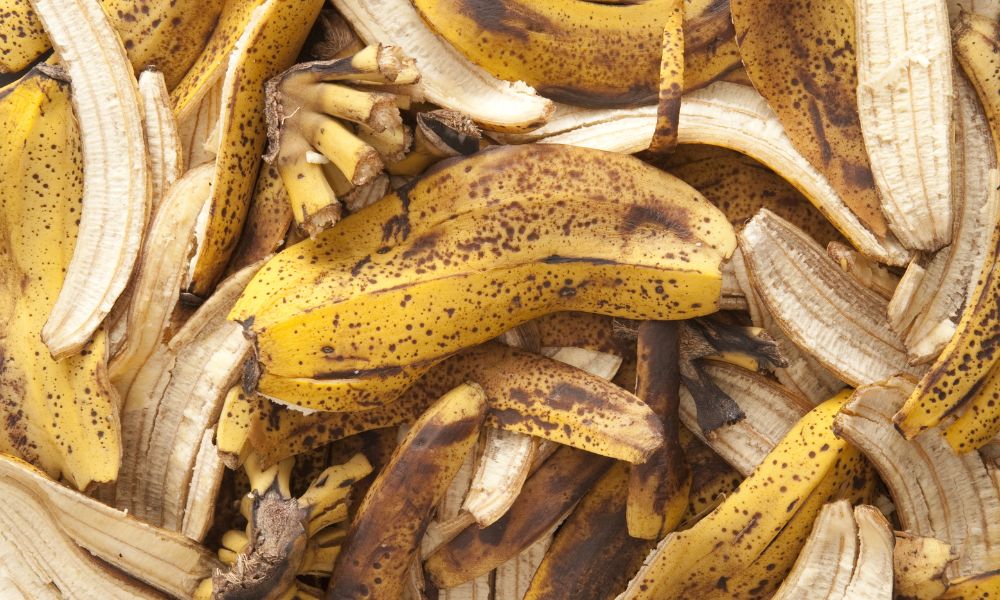
Upcycling is shaping the future of food innovation

Beyond biomarkers: why quality of life is an advantage in clinical studies
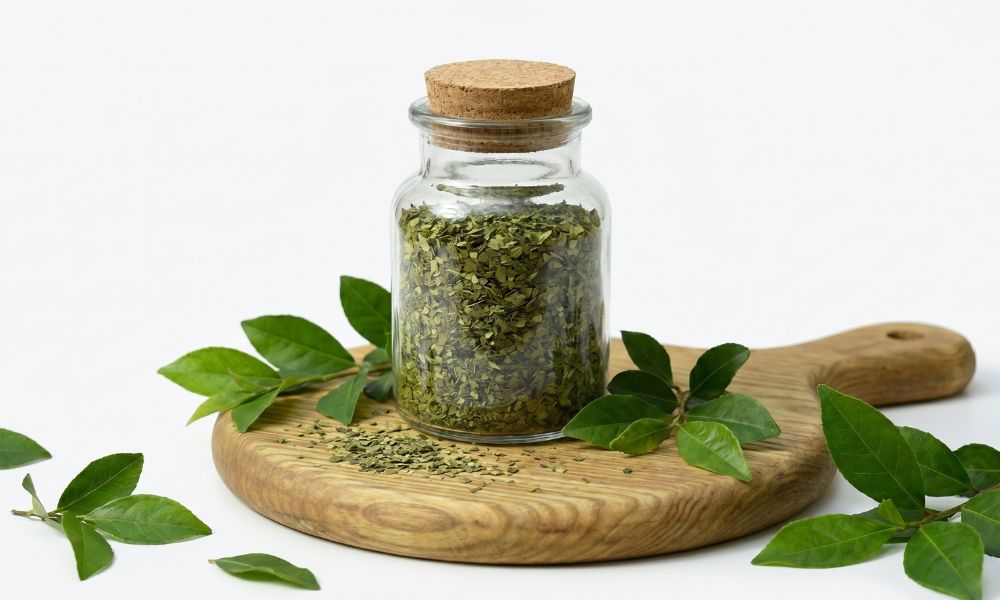
Guayusa: a versatile ingredient for natural energy and functional nutrition